
.png)




película para invernaderos
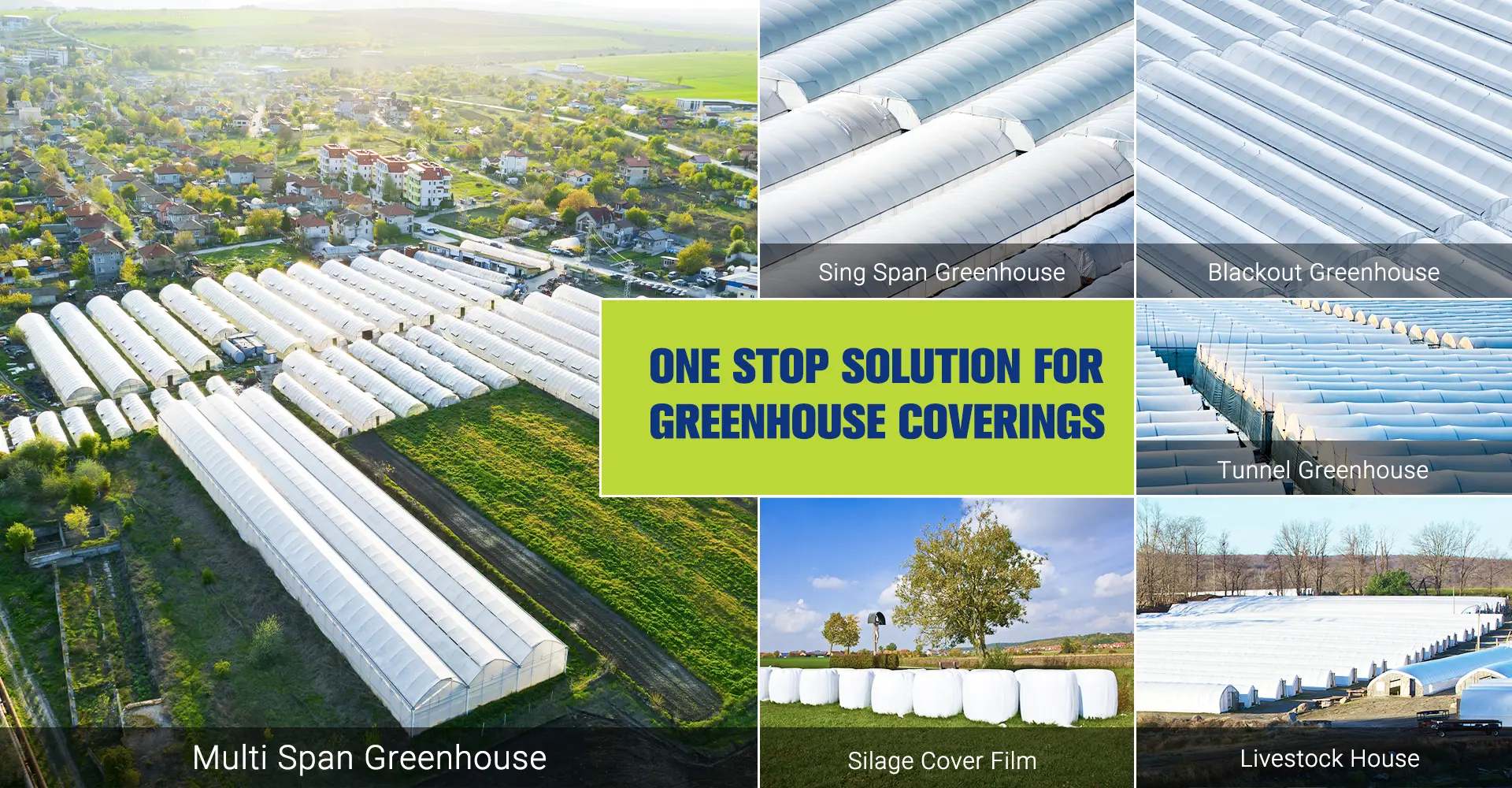
Greenhouse film, commonly referred to as poly film, greenhouse cover, or greenhouse fabric, is a specialized material designed to create a favorable, controlled environment for optimal plant growth. It effectively regulates critical growing factors like temperature, humidity, and light levels while protecting crops from external weather hazards, including hail, rain, wind, and frost. By stabilizing the microclimate, these films assist growers in achieving significantly higher crop yields. Póngase en contacto con nosotros
-
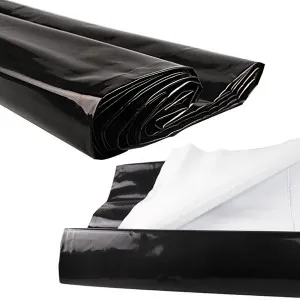
Lámina Panda de triple capa para invernadero (negro-blanco-negro), cubierta opaca para invernadero 100%, lámina de polietileno opaca
-
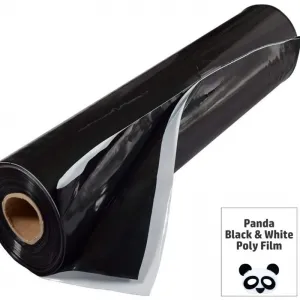
Invernadero Blanco-Negro-Blanco Película Panda de Múltiples Capas, Deprevación de Luz Cubierta de Invernadero 100% Blackout Poly Film
-
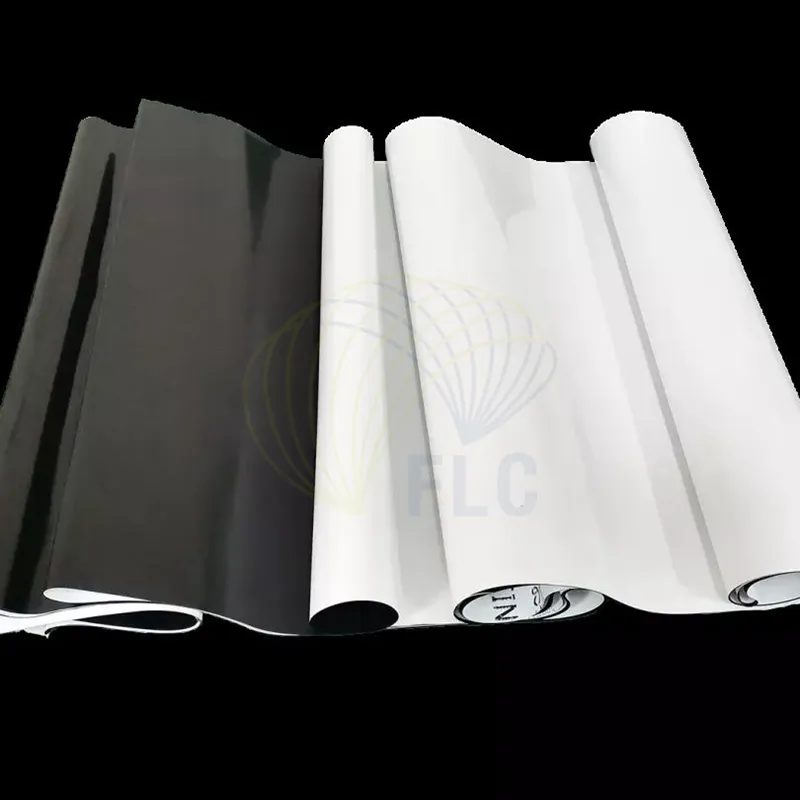
Película Panda Blanco y Negro para Invernadero, Cubierta de Deprevación de Luz para Invernadero 100% Blackout Poly Film
-
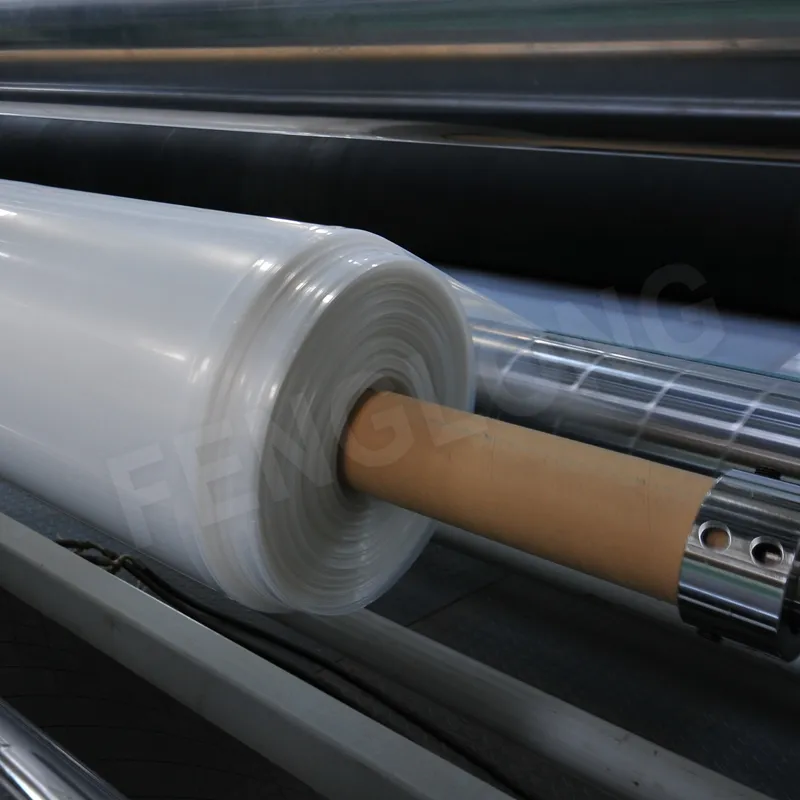
Película plástica difusa para invernaderos, cubierta de polietileno, resistente a los rayos UV, luz difusa
-
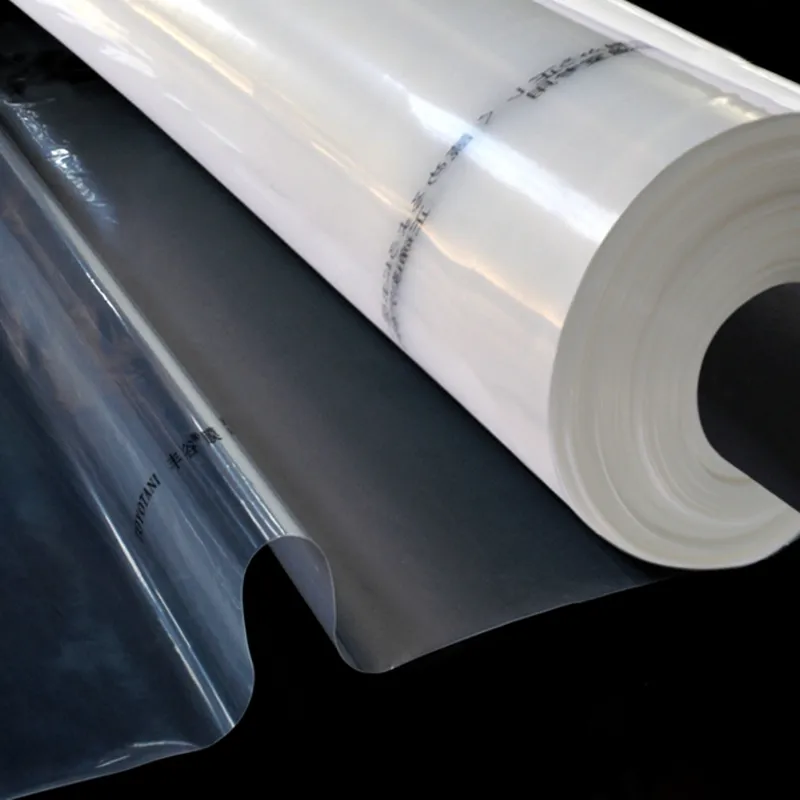
Film de plástico transparente para invernaderos, cubierta de polietileno, protección UV, cristalino, larga duración
-
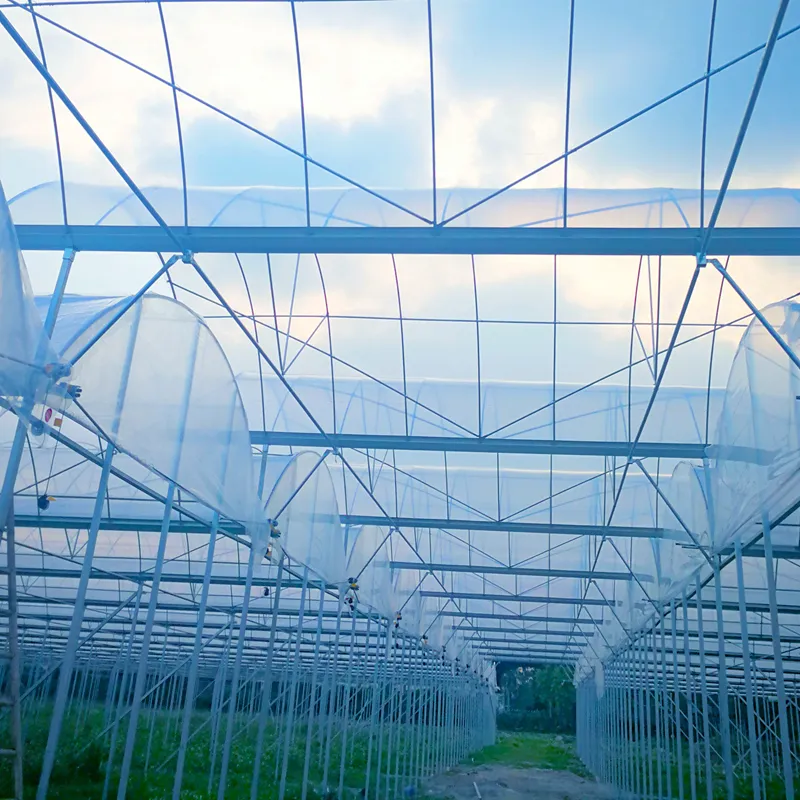
TTPO® Crystal Clear Película de plástico antigoteo de larga duración para invernaderos de 8 mil/0,20micras
-
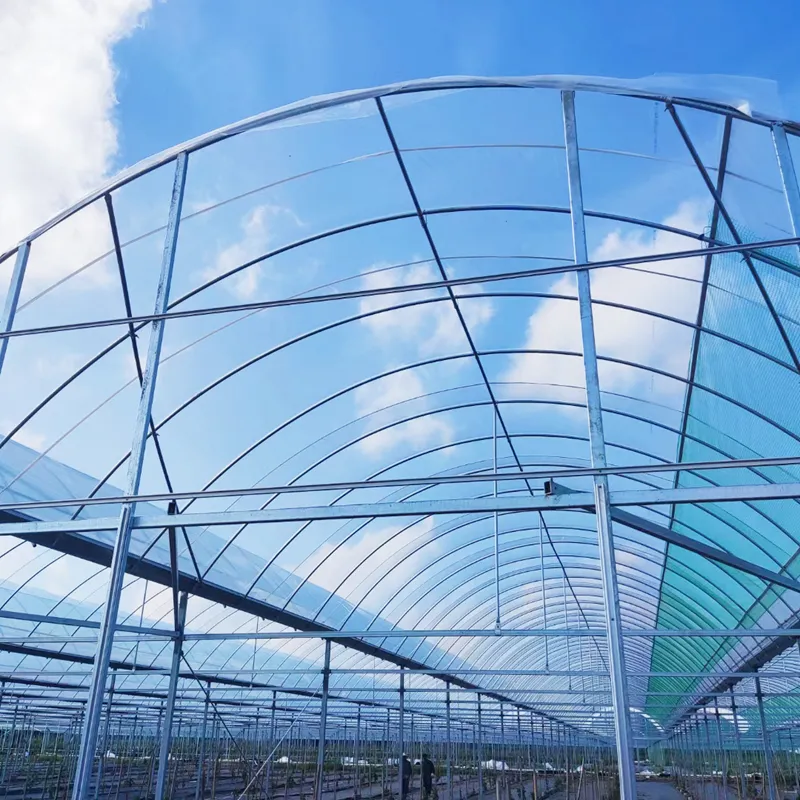
GGPO® Crystal Clear Película de recubrimiento de plástico antigoteo de larga duración 6mil/0.15micron
Why Choose TOYOTANI® Greenhouse Film?
En TOYOTANI® brand represents a legacy of innovation and quality in the agricultural industry. Established in 2002, the brand has evolved through strategic international cooperation and advanced manufacturing.
-
Manufacturing Excellence: Since 2011, production has utilized a full set of imported Japanese production lines to ensure high-quality output. By 2016, production capacity reached 22,000 tons annually.
-
Japanese Standards & Formulation: TOYOTANI® Film is manufactured according to Japanese standards and utilizes a unique Japanese formulation. This formulation combines over 10 years of Chinese greenhouse data to create a product perfectly suited for diverse agricultural needs.
-
Expert R&D: Our research group, led by FLC, consists of Japanese and Chinese engineers dedicated to continuous product improvement and problem-solving.
-
Strategic Partnerships: Fabricante de equipos para invernaderos maintains extensive cooperation with top-tier institutions, including Mitsui Chemicals, Kyowa, the Chinese Academy of Science, and the Chinese Academy of Agriculture Science.
-
Proven Global Performance: TOYOTANI® Film is trusted for major productos para invernaderos projects in the USA (including cannabis growing), Canada, Vietnam, and Dominica.
Key Performance Features
-
Superior Light Transmission: Offers outstanding transparency with light transmission rates exceeding 90%. This ensures plants receive adequate light for photosynthesis, which is critical for optimizing yields.
-
Advanced UV Protection: Equipped with built-in UV Stabilized Poly Film to resist the damaging effects of sunlight, such as yellowing and weakening. While unprotected films may last only a year, our UV-treated poly films typically have a service life of 3 to 5 years.
-
Anti-Drip & Anti-Dust Technology: Special anti-drip (AD) additives flatten water droplets into a layer that runs down the sides. This prevents drops from falling on plants, reducing disease incidence, improving light transmission, and promoting earlier harvesting.
-
Enhanced Thermal (Thermic) Effect: Multi-layer films containing a combination of EVA and Infra-Red (IR) additives absorb IR radiation to reduce heat loss throughout the night.
-
Durabilidad: Higher concentrations of Metallocene Resins are used to keep the film tough and clear for longer durations.
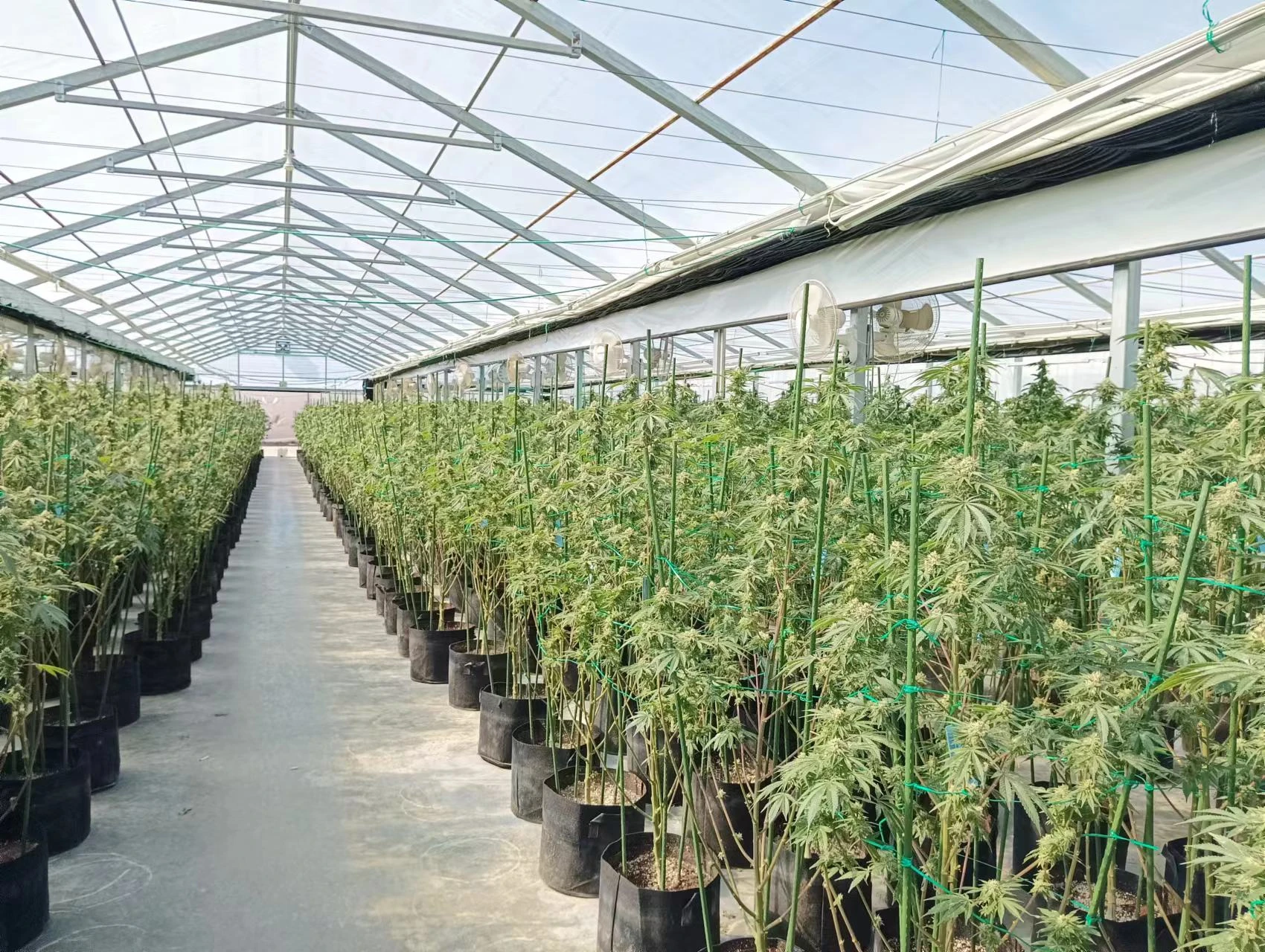
TOYOTANI ® Film used for Cannabis growing in USA
Selecting the Right Film for Your Needs
| Factor | Recommendation |
| Material Choice | Polietileno (PE) is the market majority for its flexibility and affordability. EVA offers better thermal properties but at a higher cost. |
| Climate (Cold) | Use films with high thermal retention (IR-treated) to reduce heating costs. |
| Climate (Hot) | Select films with UV-blocking and light diffusion to prevent scorching or overheating. |
| Climate (Humid) | Anti-dripping features are essential to minimize condensation and fungal diseases. |
| Thickness (80-120 microns) | Suitable for short-term use or mild weather conditions. |
| Thickness (150-200 microns) | Best for long-term applications in areas with strong winds, heavy rain, or snow. |
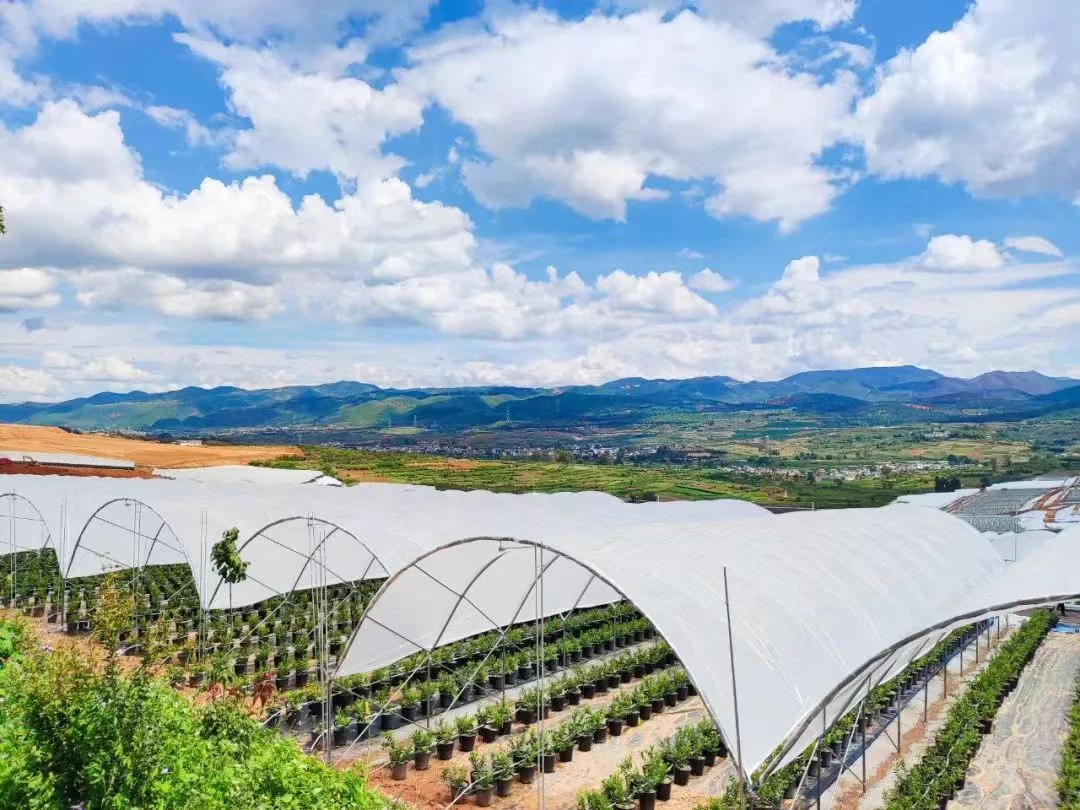
TOYOTANI ® Diffused greenhouse film for blueberry
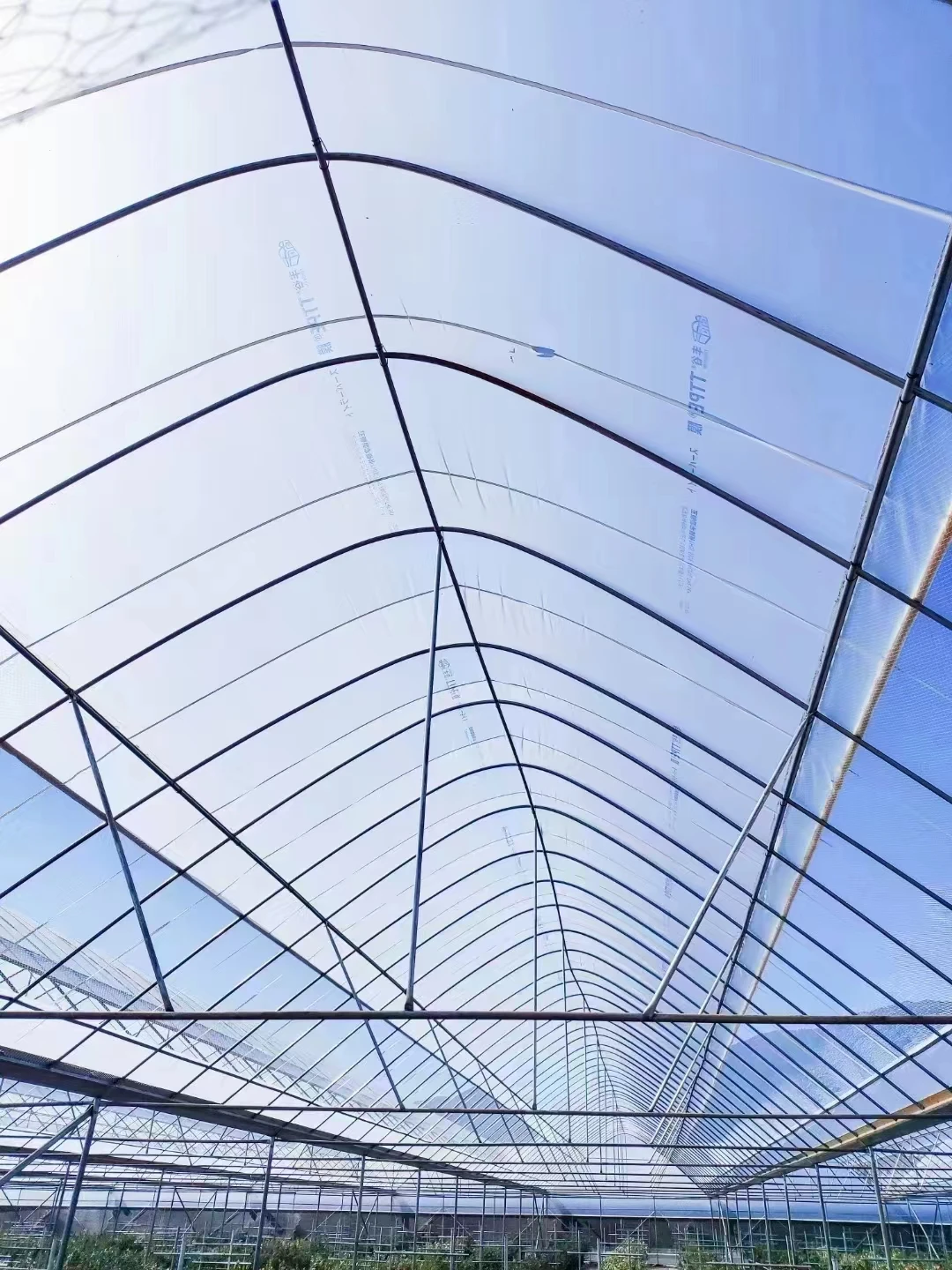
TOYOTANI ® clear film for greenhouse