
.png)




2025年温室用モーターを選ぶための実践的5ステップ・バイヤーズ・ガイド
9月 16, 2025
要旨
適切な温室用モーターを選択することは、現代農業における効果的な気候制御の基礎となる決定である。このプロセスは、多様な環境条件や多様な構造要件によってしばしば複雑になります。このガイドでは、トルクとパワーの機械的原理、ギアボックスの重要な役割、およびIP等級によって示される耐環境性に焦点を当て、モーターを選択するために不可欠なパラメータを検討します。また、AC電源とDC電源の違いや、ウォームギアやプラネタリギアなどのギア機構の違いを分析し、それぞれの用途を明確にしています。この文書は、南米、ロシア、東南アジア、中東、南アフリカを含む多様な世界市場の生産者を支援するために設計された、構造化された5段階の方法論を提供している。温室の仕様、現地の気候の課題、自動化の可能性、メンテナンスの必要性を体系的に評価することで、生産者は最適な換気を確保し、作物の回復力を高め、作業効率と生産性の向上に貢献する温室用モーターを選択することができる。
要点
- モーターの回転数だけでなく、ベントの重量と風荷重に基づいて必要なトルクを評価する。
- モータのIP定格を、ほこりや雨など、地域特有の気候上の課題に合わせます。
- ウォームギアモータは、高トルクとセルフロッキングの安全性から選択する。
- 温室用モーターをセンサーと統合し、自動気候制御を実現。
- 電圧降下を防ぎ、モーターを長持ちさせるために、正しいサイズの配線を使用してください。
- 予期せぬシステムの故障を防ぐため、定期的なメンテナンス・スケジュールを立てる。
- 高品質のモーターは、完全で耐久性のある換気システムとともに最高の働きをする。
目次
- ステップ1:マシンの心臓部、トルクとパワーを理解する
- ステップ2:温室と地域の気候の評価
- ステップ3:適切なモータータイプと機能の選択
- ステップ4:設置、配線、安全に関する注意事項
- ステップ5:長期メンテナンスとトラブルシューティング
- よくある質問(FAQ)
- 結論
- 参考文献
ステップ1:マシンの心臓部、トルクとパワーを理解する
完璧に制御された温室環境への旅は、構造そのものではなく、それを動かす力から始まります。温室用モーターは換気システムの機械的心臓部であり、農業プロジェクトに生命を吹き込むために通気口を開閉する筋肉です。適切なものを選ぶには、まず物理学者やエンジニアのように考え、トルクとパワーの基本的な概念を検討する必要があります。モーターの回転数だけに注目するのはよくある間違いですが、温室換気の世界では、真の能力の尺度はトルクなのです。
とても大きくて重い納屋の扉を開けようとするところを想像してみてほしい。素早く押す必要があるだろうか、それとも強く安定した力を加える必要があるだろうか。答えはもちろん後者だ。この安定した回転力こそがトルクの本質なのだ。温室用モーターも同じような仕事をし、何百キロもありそうなポリエチレンフィルムやスチールチューブを持ち上げたり、転がしたり、風のしつこい力と戦ったりする。スピードは二の次で、第一に必要なのは、この動きを毎日確実に開始し、持続させる力である。
トルクとは何か、なぜ速度よりも重要なのか?
トルクは正式には、ある物体をある軸を中心に回転させる力の尺度として定義される。温室の場合、軸はロールアップパイプまたはルーフベントのヒンジであり、物体はベントカバーそのものです。モーターは、吹き出し口の質量に作用する重力と、追加的な環境負荷(特に風)の合力に打ち勝つのに十分なトルクを発生しなければならない。トルク不足のモーターでは、ひずみが生じたり、オーバーヒートしたり、あるいは完全に故障したりして、農作物が極端な温度や湿度にさらされやすくなります。
これは扇風機のような用途とは対照的で、空気を動かすには高い回転速度が必要だが、トルクはほとんどない(Power Electric, 2024)。温室用モーターはその逆で、低速で作動するが、大きな力を出さなければならない。モーターが発生できるトルクは、通常ニュートン・メートル(N.m)で測定されます。特定のセットアップに必要な正確なトルクを計算するには、いくつかの要素を考慮する必要があります:
- ヴェントの重さ これには、温室用ポリエチレンフィルム、ロールアップパイプ(フィルム巻き取り装置)、くねくねワイヤーやその溝などの関連金具が含まれる。総重量は、モーターが持ち上げなければならない重力負荷を生み出します。
- ロールアップの半径: フィルムがパイプの上を転がるにつれて、直径は大きくなる。必要なトルクは、力(重さ)にこのロールの半径を掛けたものです。ロールが大きければ大きいほど、回すのに必要なトルクは大きくなります。
- 風荷重: これはダイナミックで、過小評価されがちな力である。強い突風がロールアップの側面を押すと、開閉に必要なトルクが劇的に増加します。これを考慮して、計算された静的負荷よりもかなり高い定格トルクのモーターを選択するのが賢明です。
頭の体操をすると、このことがよくわかる:鋼管と頑丈なフィルムでできた長さ20メートルのロールアップ・サイドを思い浮かべてほしい。モーターの仕事は、単に50キロを真上に持ち上げることだけではありません。ロールが大きくなるにつれて、必要な力は変化する。さらに、時速30キロの風がその表面積全体に押し付ける。モーターはもはや重力と戦うだけでなく、大気と戦っているのだ。これが、堅牢で高トルクの温室用モーターが贅沢品ではなく、必需品である理由だ。
動力源:ACモーターとDCモーター
トルクの必要性を理解したら、次の問題はモーターの電気的性質に関するものである。モーターは、その電源によって大きく分類される:交流(AC)と直流(DC)です。それぞれに異なる利点があり、さまざまな規模やタイプの運転に適しています。
ACモーター は、ほとんどの住宅や商業施設にある標準的な電気系統から電力を供給される。一般に強力で信頼性が高く、構造が単純である。数千平方メートルに及ぶ広範な換気システムを備えた非常に大規模な商業用温室では、大きな問題なく長距離に大電力を供給できるACモーターが論理的な選択肢となることが多い。
DCモーター一方、直流電源は、通常12Vや24Vといった低電圧で動作する。この電力は、バッテリーバンク、ソーラーパネルアレイ、またはAC-DCパワーコンバーターから供給されます。DCモーター、特にブラシレスタイプは、その効率、正確な制御、低速での優れたトルクで知られている。小規模から中規模の温室、オフグリッド運転、または微調整の自動制御を必要とするシステムでは、DCモーターが優れていることが多い。DCモーターの製造には、ローター(巻線を持つ回転部分)とステーター(磁石を持つ静止部分)を含むコア・コンポーネントの精密な製造が含まれ、これらが相互に作用して回転を生み出す(Firgelli Automations, 2023)。
この決断を助けるには、直接比較が役に立つ。
| 特徴 | AC温室モーター | DC温室モーター |
|---|---|---|
| 電源 | 標準的な電気系統(例:110V/220V) | 低電圧DC(12V/24V/48Vなど) |
| 典型的な使用例 | グリッドアクセスのある大型の業務用温室 | 小型から大型温室、オフグリッドシステム |
| 制御の複雑さ | 一般的にシンプルな速度制御(オン/オフ) | 可変速と正確なコントロールに優れている |
| エネルギー効率 | 特に部分負荷時には、効率が低下する可能性がある | 高効率、特にブラシレスモデル |
| 安全性 | 電圧が高ければ高いほど、電気的なリスクも大きくなる | 電圧が低いほど、作業の安全性は本質的に高くなります |
| オフグリッドの実現可能性 | 大型のインバーターがなければ実現不可能 | ソーラーパネルやバッテリーへの直接接続に最適 |
電力網が未整備であるか、供給が不安定な地域で活動する多くの生産者にとって、直流(DC)温室用モーターの導入は、エネルギー自立と運用上の強靭性を実現する道筋となります。例えば、24Vシステムは、高負荷作業に必要な十分な動力を供給することができ、産業用オートメーション分野では一般的な標準となっています(Etonm Motor, 2025)。
ギアボックス:高トルクの秘訣
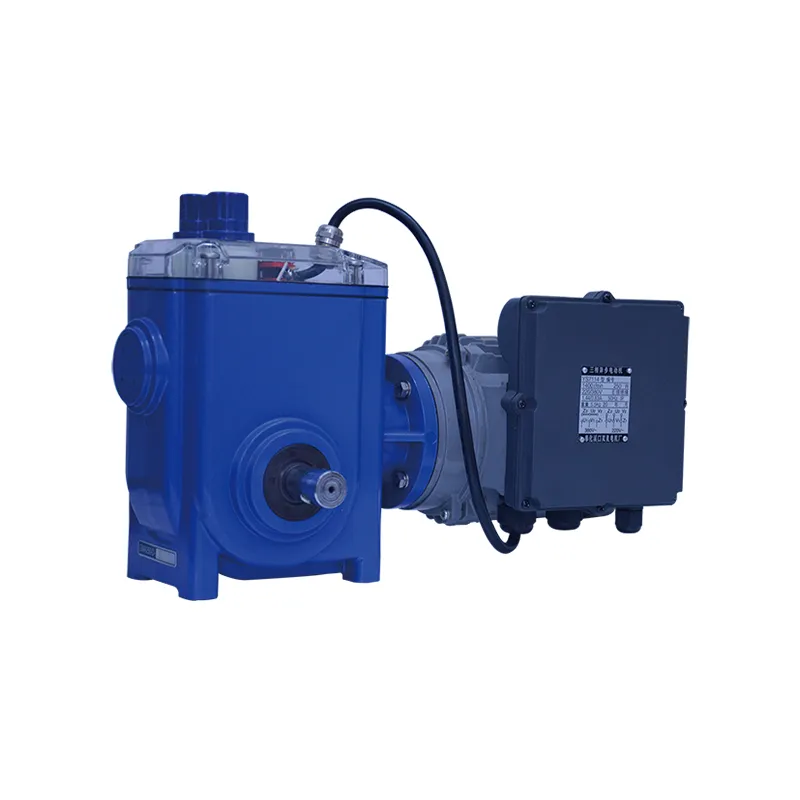
交流(AC)であれ直流(DC)であれ、電動機単体では通常、毎分数千回転(RPM)という非常に高速で回転しますが、トルクはごくわずかです。これは、重量物の持ち上げといった用途には適していません。 その解決策は、モーターにギアボックスを組み合わせることです。こうして一体化したユニットは「ギアモーター」と呼ばれ、ロボット工学から温室の換気システムに至るまで、数え切れないほどの機械システムの陰の立役者となっています。
ギアボックスとは、モーターの軸の回転数を減速させる一連のギアのことです。機械的利得の原理により、回転数が低下するにつれてトルクは増大します。 ギアモーターは、回転数を3000 RPMからわずか3 RPMまで減速させることができますが、その過程でトルクを100倍に増幅させることも可能です(Robocraze, 2025)。この変換によって、小型で高効率な電気モーターが、信じられないほどの力を発揮できるようになるのです。
ギアモーターの世界にはいくつかの設計が存在しますが、温室での用途に特に適しているとして際立っているのが、 ウォームギアモーター. ウォームギア機構は、ウォーム(ねじ状の歯車)とウォームホイール(平歯車に似た歯車)が噛み合うことで構成されています。この構造には、2つの大きな利点があります:
- 高トルク増幅: ウォーム駆動の減速比は非常に高くなるため、コンパクトなユニットから大幅なトルク向上を実現できます。12Vのウォームギアモーターは、重作業用のリフト作業向けに、極めて高いトルクを発揮するように設計することが可能です(Etonm Motor、2025年)。
- 自己ロック特性: おそらく最も魅力的な特徴として、ウォームギアは通常、自己ロック機能を備えています。つまり、ウォームを回してホイールを駆動することはできますが、ホイールを回してウォームを駆動することはできません。温室では、この特性は極めて貴重です。 モーターが停止しても、換気口はその位置で固定されたままになります。風で押し開かれたり、自重で閉じてしまったりすることはありません。これにより、外部ブレーキが不要となり、システムが簡素化されるだけでなく、安全性と信頼性も向上します。
「トルク」という概念、「動力源の選択」、そして「ギアボックスの機能」というこの3つの要素を理解することは、温室用モーターを選定する上で、最初かつ最も重要なステップとなります。これは、ハードウェアの具体的な仕様を検討する前に、その作業に伴う物理的原理を理解するためのプロセスです。
ステップ2:温室と地域の気候の評価
機械的な原理をしっかりと理解した上で、ここでは物理学という抽象的な世界から、お客様の具体的な温室とその独自の環境という現実の世界へと焦点を移します。温室用モーターは、真空の中で動作するものではありません。それはより大きな生態系の一部であり、その性能は、モーターが支える構造物や、耐えなければならない気候と深く密接に関連しています。 太平洋岸北西部の涼しく湿潤な環境下で良好に動作するモーターでも、アラビア半島の暑く粉塵の多い環境ではすぐに故障してしまう可能性があります。したがって、お客様の具体的な環境を徹底的に評価することは、単に推奨されるだけでなく、賢明な投資を行う上で不可欠な要素なのです。
この評価では、温室の設計という「内側」と、その地域が抱える気象上の課題という「外側」の両面を検討します。これは、設備の性能とその場所の要件を適合させるプロセスです。
温室の構造と換気要件
温室では、いくつかの自然換気方法が採用されていますが、どの方式を採用するかによって、必要なモーターシステムの種類が決まります。最も一般的なシステムは、巻き上げ式の側面換気口と屋根換気口です。
-
巻き上げ式サイドパネル(サイドウォール換気): これは、モーターが長いパイプを回転させる、あるいは フィルムリーラー、ポリエチレンフィルムを温室の側面に沿って巻き上げ、空気の入れ替えのための広いスペースを確保するためです。これには、巻き上げ全長にわたって安定したトルクを供給できるモーターが必要です。 フィルムは、地面と巻き上げパイプの両方にしっかりと固定されなければなりません。多くの場合、ウィグルワイヤーとそれに対応する溝からなるシステムが使用され、連続的かつ強固な固定を実現することで、応力を均等に分散させ、モーターの作動による負荷でフィルムが破れるのを防ぎます。
-
屋根用換気口: 多くの温室の設計、特にAフレーム型や雨樋連結型では、換気口は屋根の'頂点に設置されています。熱気は自然に上昇するため、屋根の換気口は熱を排出するのに極めて効果的です。 これらの換気口は重量があり、多くの場合アルミニウムやスチールで枠組みが作られており、プッシュプル式のラック・アンド・ピニオン機構によって作動することがあります。屋根用換気口のモーターには、換気口の重量を持ち上げ、風に対しても安定して保持できる十分なトルクが求められます。そのため、ウォームギアモーターのセルフロック機能は特に有利です。
これらの部品のサイズと重量は極めて重要です。モーターが動かすことになる総重量を考慮しなければなりません。これには、温室用のポリエチレンフィルム、鋼管、および関連するすべての金具が含まれます。 100メートルの巻き上げ式側面を持つ長い温室は、10メートルの小さな趣味用温室よりも強力なモーターが必要となります。モーターの選定にあたっては、常に余裕を持ってより強力なものを選ぶようにしてください。最大能力に近い状態で常に稼働しているモーターは、許容範囲内で余裕を持って稼働しているモーターに比べて、寿命が大幅に短くなります。
居住地域の影響
世界には多種多様な気候が存在しており、成功する栽培者は、温室用モーターを、その地域の極端な気象条件と戦う最前線の兵士として捉えなければなりません。ここでは、温室栽培における主要市場の一部が抱える具体的な課題について考えてみましょう。
-
南米: この大陸の気候は驚くほど多様です。アンデス山脈の高地では、空気密度が低く、気温も低くなる可能性があるため、モーターは信頼性の高い性能を発揮しなければなりません。一方、アマゾン盆地では、絶え間ない高湿度と豪雨が課題となります。ここでは、モーターの防水性は単なる機能ではなく、生き残るための必須条件なのです。
-
ロシア 温暖な黒海沿岸からシベリアの過酷な冬に至るまで、ロシアでは高い耐久性が求められます。 温室用モーターは、氷点下をはるかに下回る温度下で稼働しなければならない場合があります。ギアボックス内の潤滑油は、そのような条件に対応できる性能を備えている必要があり、モーターの筐体は氷や雪による物理的な負荷に耐えられなければなりません。また、氷の層を破ったり、雪に覆われた通気口を持ち上げたりする必要があるため、必要なトルクも増加する可能性があります。
-
東南アジア: タイ、ベトナム、フィリピンなどの国々では、主な課題は暑さ、極端な湿度、そして季節ごとの台風です。モーターは、高い周囲温度下でも過熱することなく動作できなければなりません。 さらに重要なのは、豪雨や風による水しぶきに対して、極めて高い密閉性を備えている必要があるという点です。換気システム全体の耐風性は、設計上の重要な考慮事項となります。
-
中東および北アフリカ: UAE、サウジアラビア、エジプトなどの地域の生産者にとって、課題となるのは、強い日射、極度の暑さ、そして至る所に漂う砂塵や砂です。 砂漠の砂は粒子が細かく研磨性が高いため、密閉されていないモーターやギアボックスに侵入し、それらを破壊する恐れがあります。固体粒子の侵入に対する高い保護レベルは、絶対に不可欠です。また、モーターの筐体材料は、容赦ない日差しの下で脆化しないよう、紫外線安定化処理が施されている必要があります。
-
南アフリカ 西ケープ州の地中海のような気候から、乾燥したカルー、ハイベルドの夏の雷雨に至るまで、多様な気候に恵まれた南アフリカでは、さまざまな課題が混在しています。強い紫外線、強風、そして雹の降る可能性もあるため、モーターだけでなく換気システム全体も、耐久性を重視して設計・構築する必要があります。
IP等級(侵入保護)の理解
モーターがこうした環境上の脅威に耐える能力を、どのように定量化できるでしょうか?その答えは、侵入保護(IP)等級制度にあります。これは、固体(ほこりなど)や液体(水など)の侵入に対して、電気機器の筐体が提供する保護の程度を分類する国際規格です。
IP保護等級は、「IP」の後に2桁の数字が続く形式で表されます。
- 最初の桁 は、固体粒子に対する保護レベルを表します。その範囲は0(保護なし)から6(完全な防塵)までです。
- 2桁目 は、液体に対する保護レベルを表します。その範囲は0(保護なし)から9(高圧・高温の水噴射に対する保護)までです。
温室用モーターの場合、穏やかで保護された環境においては、IP54の保護等級が最低限の基準と見なされるかもしれません。しかし、これまで議論してきたような過酷な気候条件下では、より高い保護等級を強く推奨します。
| IP等級 | 固体保護(最初の桁) | 液体に対する保護性能(2桁目) | 理想的な気候条件での適用 |
|---|---|---|---|
| IP54 | 5:防塵(侵入の程度が限定的) | 4:水しぶきに対する保護機能 | 温暖な気候、風雨から十分に守られた設置場所 |
| IP65 | 6:防塵(粉塵の侵入なし) | 5:水噴射に対する保護 | ほこりの多い地域(中東)、雨の多い地域 |
| IP66 | 6:防塵(粉塵の侵入なし) | 6:強力な水流に対する保護機能 | 豪雨や台風が発生する地域(東南アジア) |
| IP67 | 6:防塵(粉塵の侵入なし) | 7:一時的な浸水に対する保護 | 洪水が発生しやすい地域、極端な湿度(アマゾン) |
IP65以上のIP保護等級を持つモーターを選べば、安心できます。 これは、そのモーターが砂漠の砂嵐による微細な粉塵から完全に密閉されており、洗浄用ホースからの水や風で吹き付ける豪雨など、あらゆる方向からの水しぶきにも耐えられることを意味します。仕様書に記載されたこの小さな詳細は、モーターが実環境下で耐え抜く能力を如実に物語る指標なのです。
ステップ3:適切なモータータイプと機能の選択
基礎的な仕組みと環境的背景を分析したところで、次はモーター自体の選定に進みます。このステップでは、各温室用モーターを差別化する具体的な機能や技術について検討します。 ここで、一般的な観点から具体的な観点へと移行し、単純な手動制御であれ、完全に統合されたインテリジェントな自動化システムであれ、自社の運営理念に沿った選択肢を選定します。現代の温室用モーターは、単なる力任せの機械にとどまらず、気候制御の複雑なネットワークにおける洗練された構成要素となり得るのです。
標準モーターとスマートモーター:自動化のスペクトル
最もシンプルな制御方式は、標準的なモーターを「OPEN」「CLOSE」「OFF」の3位置スイッチに接続したものです。これは、栽培者が直接操作できる、手動式の信頼性の高いシステムです。仕組みが単純で、トラブルシューティングも容易であり、初期投資も最小限で済みます。 小規模な栽培事業や、自ら手を動かすことを好む栽培者にとっては、これは十分に適切な解決策となり得ます。
しかし、現代の温室が持つ真の可能性は、自動化によって初めて発揮されます。「スマート」モーターとは、中央気候制御装置と連携するように設計されたモーターのことです。この制御装置は温室の「頭脳」としての役割を果たし、センサーネットワークからデータを収集して、適切な判断を下します。これらのセンサーは、以下の項目を測定することができます:
- 内部温度: 換気の主な要因。
- 室内湿度: 高湿度は真菌性病害の発生を促す可能性があるため、その防除には換気が不可欠です。
- 風速: 重要な安全機能です。風速が安全基準値を超えた場合、コントローラーをプログラムすることで通気口を自動的に閉じるように設定でき、構造物とフィルムを保護します。
- 雨: 雨センサーが作動すると、通気口が閉まり、作物や内部を乾燥した状態に保つことができます。
- CO2濃度: 高度なシステムでは、光合成に最適なCO2濃度を維持できるよう、換気を制御することができます。
このようなシステムに接続されたスマートモーターは、自律的に動作することができます。例えば、気温が25°Cを超えると風下側の通気口を20%だけ開き、30°Cでは全開にし、嵐が検知された場合は素早く閉じるといった動作が可能です。 このレベルの自動化は、労力を削減するだけでなく、最も勤勉な人間のオペレーターでさえ達成できないほど、はるかに安定し、最適化された栽培環境を提供します。これにより、換気システムは24時間体制で、変化する状況に即座に対応することが保証されます。
リミットスイッチの重要性
標準モーターを選ぶにせよ、スマートモーターを選ぶにせよ、絶対に欠かせない機能が1つあります。それはリミットスイッチです。リミットスイッチとは、機械部品が可動範囲の端に達したことを検知するセンサーです。温室用モーターにおいて、リミットスイッチの役割は、換気口が完全に開いた状態、あるいは完全に閉じた状態になった際に、自動的に電源を遮断することです。
リミットスイッチがなければ、モーターは回転し続け、換気口を物理的な限界を超えて巻き上げようとしてしまいます。これにより、モーター、ギアボックス、そして温室の構造自体に多大な負荷がかかってしまいます。 その結果、モーターはすぐに焼損し、ギアボックスが破損したり、巻き取りパイプが曲がったり、あるいは温室用フィルムが破れたりする恐れがあります。リミットスイッチは、こうした自壊を防ぐために不可欠な安全装置です。
主に2つのタイプがあります:
- 内部リミットスイッチ: これらはモーターユニット本体に組み込まれています。多くの場合、モーターハウジングにある小さなダイヤルやネジを回して調整します。外部環境から保護されていますが、モーターを取り付けた後は調整がやや不便になる場合があります。
- 外部リミットスイッチ: これらは、温室のフレームに取り付けられた独立したセンサーです。換気装置の可動部分がこれらに物理的に接触すると作動します。設置や調整は比較的容易ですが、風雨にさらされやすく、物理的な損傷を受ける可能性も高くなります。
ほとんどの用途では、信頼性が高く、調整が容易な内蔵リミットスイッチを備えた高品質なモーターが推奨されます。設定を行う際は、モーターが希望する正確な位置で停止することを確認するために、繰り返しテストを行うことが極めて重要です。
さまざまな運動メカニズムの探求
ウォームギアモーターは、温室の換気において主流であり、多くの場合最適な選択肢ですが、技術は常に進化しているため、他にも遭遇する可能性のある仕組みについて知っておくと役立ちます。 前述の通り、ウォームギアモーターの主な利点は、高トルクと自己ロック性の組み合わせにあり、風や重力に抗して重い換気口を固定するのに理想的です(Etonm Motor, 2025)。
もう1つの一般的なタイプは、 遊星歯車モーター。この構造は、中央の「太陽歯車」、その周囲を回る複数の「遊星歯車」、そして外側の「リング歯車」で構成されています。 遊星歯車装置は、その高い効率、コンパクトなサイズ、そして高トルクに対応できる能力で知られています。これらは、小型のロボット用アクチュエータから重工業用機械に至るまで、幅広い用途で使用されています(Firgelliauto.com, 2025)。 一部の高度な、あるいはコンパクトな温室自動化システムでは、遊星ギアモーターが使用されている場合がありますが、これらは一般的にウォームドライブが持つ固有のセルフロック特性を備えていないため、多くの場合、追加の制動システムが必要となります。
また、次のような話を耳にすることもあるかもしれません。 ステッピングモーター そして サーボモーター. これらは、位置や動きを極めて精密に制御する必要がある用途向けに設計された特殊なモーターの一種です。ステッピングモーターは離散的な「ステップ」単位で移動するのに対し、サーボモーターはフィードバックループを利用して、正確な角度まで移動し、その角度を維持します(Firgelli Automations, 2023)。 これらはロボット工学やCNC加工における基盤技術ではありますが、大型の温室換気口を開閉するという単純な作業には、一般的に過度に複雑で高価すぎます。 高品質なDCギアモーター、特にウォームギア設計のものは、堅牢でパワフル、かつ操作が簡便であるため、当然のことながら依然として業界標準となっています。不必要な複雑さを伴わずに、必要な出力と信頼性を提供してくれるからです。
したがって、モーターの選択は、運用方針に関する選択であると言えます。これは、適切に機能するリミットスイッチという譲れない安全策を指針とし、実績があり信頼性の高いウォームギアモーターの技術に裏打ちされた、手動による直接制御とインテリジェントな自動化のどちらを選ぶかという決断なのです。
ステップ4:設置、配線、安全に関する注意事項
優れた温室用モーターを選定することは大きな成果ですが、その性能を最大限に引き出すには、正確かつ安全な設置が不可欠です。この段階では、理論的な知識を実践へとつなげていきます。 高性能なモーターであっても、不適切に設置されては効果が得られないだけでなく、潜在的な危険源となります。ここでは大きな力が作用し、電気系統には細心の注意と配慮が求められます。このステップでは、モーターが機械的に堅固であり、電気的にも問題がなく、制御システムとシームレスに統合され、温室のインフラストラクチャにおいて堅牢かつ信頼性の高い構成要素となることを確保します。
設置計画
温室用モーターの物理的な取り付けは、その長期的な性能の基盤となります。モーターはかなりのトルクを発生させ、この力は取り付けブラケットを介して温室のフレームに伝達されます。
- 堅固な取り付け箇所を選ぶ: モーターは、温室の構造的に堅固な部分(主鋼柱や専用の取り付けプレートなど)にボルトで固定する必要があります。 長い母屋の中央部や薄肉鋼材など、強度の弱い箇所にモーターを取り付けてはいけません。運転による繰り返しの応力により、フレームに疲労が生じ、破損する恐れがあります。必要に応じて、追加の鋼材で取り付け箇所を補強してください。
- 正しい位置合わせを確認してください: モーターの出力軸は、ロールアップパイプまたは屋根換気口の駆動機構と完全に位置合わせされている必要があります。位置合わせが不正確だと、モーターの軸やベアリング、さらにはギアボックス自体に横方向の負荷がかかります。 この継続的な意図しない応力は、モーターおよび駆動部品の両方で早期故障を引き起こす主な原因となります。最終的なボルトを締め付ける前に、水準器と定規を使用して、複数の角度から位置合わせを確認してください。
- アクセシビリティを考慮してください: モーターはしっかりと固定したいものですが、将来のメンテナンス時のアクセスも考慮してください。モーターに手が届き、点検や清掃、必要に応じてリミットスイッチの調整ができるようにしておく必要があります。あまりにも狭い隅に設置してしまうと、将来のメンテナンスが極めて困難になってしまいます。
電気配線:安全性と性能の問題
電気配線は、モーターに生命線となる電力を供給する循環系のようなものです。これを適切に整備することは、安全性と性能の両面において極めて重要です。低電圧直流(12V/24V)システムは、高電圧交流システムに比べて本質的に安全ですが、それなりのルールやリスクがないわけではありません。
DC配線において最も重要な要素は 電圧降下. DCモーターの性能(回転数とトルクの両方)は、印加される電圧に直接関係しています。配線距離に対して電線が細すぎると、電線自体が抵抗として働き、モーターに電圧が届くまでに電圧が「低下」してしまいます。 電圧降下により24Vのモーターに20Vしか供給されない場合、モーターの回転速度は低下し、出力も大幅に弱まり、負荷がかかった際にストールしやすくなり、その結果、過熱を引き起こす可能性があります。
これを防ぐためには、次の2つの要素に基づいて、適切なワイヤゲージ(太さ)を選択する必要があります:
- モーターの最大消費電流(アンペア): これは、モーター'の仕様書に記載されています。
- 配線の全長: これは、電源からモーターまでの距離と、そこから戻ってくるまでの距離のことです。
適切なアメリカン・ワイヤー・ゲージ(AWG)を選ぶのに役立つ、オンラインの電圧降下計算ツールやチャートは数多くあります。経験則として、ある程度の距離がある場合は、必要だと思うよりも太い電線(AWG番号が小さいもの)を使用する方が常に望ましいです。 細すぎる電線を使用することは、性能に悪影響を与えるだけでなく、電線が過熱して火災の危険を招く恐れもあります。
すべての接続がしっかりと固定されていることを常に確認してください。できればはんだ付けを行い、熱収縮チューブで保護するか、少なくとも高品質の圧着コネクタを使用してください。接続が緩んでいると抵抗が生じ、発熱や電圧降下の原因となります。 最後に、電源ユニットを動作させるために主電源に接続する必要がある場合は、有資格の電気工事士に相談するか、依頼することを強くお勧めします。
制御システムとの連携
この設置作業の最後の工程は、モーターを制御システムに接続することです。
- シンプルなスイッチ制御: 基本的な手動設定を行うには、中央位置でオフになる2極2投(DPDT)スイッチが必要です。このタイプのスイッチを使用すると、モーターに供給される直流電圧の極性を反転させることができ、その結果、モーターの回転方向(開/閉)を反転させることができます。
- 自動制御装置: スマート温室コントローラに接続する場合、通常、モーターを制御ユニット内のリレー群に配線します。リレーとは、コントローラのマイクロプロセッサからの低電力信号によって、モーターの駆動に必要な高電力回路のオン・オフを切り替えることができる、電気式スイッチのことです。 コントローラーの取扱説明書には、モーターの「開」および「閉」機能について、どの端子に接続すべきかを示した具体的な配線図が記載されています。
この統合によって、換気システム全体が機能し始めます。コントローラーをプログラムすることで、温室のモーターと、循環ファンなどの他の要素との動作を連携させることができます。 例えば、より涼しく乾燥した空気を導入するために通気口が開いた後、循環ファンを稼働させてこの新鮮な空気を温室全体に均一に循環させることで、湿った空気が滞留する場所の発生を防ぐことができます。このように、異なる構成要素間の相乗効果こそが、真に管理された均一な環境を作り出すのです。
設置や配線作業を系統立てて慎重に行うことで、丹念に選んだモーターが、今後長年にわたり安全かつ効果的にその役割を果たし続けることを確実にすることができます。
ステップ5:長期メンテナンスとトラブルシューティング
温室用モーターの設置は、その稼働の始まりであり、あなたの責任が終わるわけではありません。他の重労働用機械と同様、モーターもその寿命と信頼性を確保するために、定期的な手入れが必要です。 予防的なメンテナンスを行うことで、故障の大部分を防ぐことができ、高額な緊急修理費用を節約できるだけでなく、何よりも、換気システムの突発的で壊滅的な故障から作物を守ることができます。この最後のステップでは、メンテナンスのリズムを確立し、潜在的な問題の早期兆候を見分ける方法を学びます。
予防保全スケジュール
シンプルで一貫性のあるメンテナンススケジュールこそが、エンジンを守る最善の保険です。時間はかからなくても構いませんが、定期的に行うことが大切です。
毎月の目視および聴覚による点検:
- 見てください: モーターハウジングに損傷、ひび割れ、または水漏れの兆候がないか、目視で確認してください。電気配線に、断線、絶縁体のひび割れ、または接続部の緩みがないか確認してください。取り付けボルトがしっかりと締まっていること、および取り付け部周辺の温室フレームに負荷がかかっている兆候がないことを確認してください。
- 聞いてください: モーターを動かして、注意深く音を聞いてください。そうすることで、正常な動作音に慣れてくるでしょう。きしむ音、カチカチという音、甲高いキーンという音など、これまでになかった異音や異常な音が聞こえた場合は、多くの場合ギアボックス内部に問題が生じている可能性を示す初期の兆候です。
年次機能点検:
- クリーン: 特にほこりの多い環境では、少なくとも年に1回はモーターの外側を清掃してください。ほこりや汚れが蓄積すると絶縁体として作用し、モーターの温度上昇を招き、寿命を縮める原因となります。
- リミットスイッチの試験: モーターを手動で操作し、リミットスイッチが全開位置および全閉位置の両方で正しくモーターを停止させていることを確認してください。時間の経過とともに、機械的な摩耗や振動によって、これらの設定値がずれてしまうことがあります。
- 水の浸入の有無を確認してください: 激しい雨季が過ぎた後は、モーターハウジングのシールやガスケットを点検しておくのが賢明です。内部に水が浸入した疑いがある場合は、腐食によって故障が発生するのを待つよりも、早急に処置を行うほうがよいでしょう。
よくある問題とその解決策
たとえ適切なメンテナンスを行っていても、時折問題が発生することがあります。それらを論理的に診断できれば、時間と手間を大幅に節約できます。
-
問題:モーターがまったく回転しない。
- トラブルシューティング: まずは最も単純な原因から確認しましょう。電源は入っていますか? 電源側のヒューズが切れていないか、ブレーカーが落ちていないかを確認してください。スイッチを入れたときに、モーターの端子に電圧が印加されているかどうかをマルチメーターで確認してください。 モーターに電圧がある場合は、問題はモーター内部にある可能性が高いです(例:ブラシの摩耗、巻線の焼損など)。電圧がない場合は、配線またはスイッチに問題があります。
-
問題:モーターは作動しているが、通気口が動かない。
- トラブルシューティング: これは、モーターと負荷の間に機械的な接続不良が生じていることを示しています。モーターの出力軸は、多くの場合、ボルトまたは「せん断ピン」で固定されたカップリングを介して、巻き上げパイプに接続されています。 モーターの音を聞いてみてください。自由に回転しているような音がする場合は、この接続部に不具合が生じている可能性があります。カップリングを点検し、シアーピンを交換するか、接続部を締め直してください。ごくまれに、ギアボックス内部でギアが破損するなどの重大な故障が発生している場合もあります。
-
問題:モーターがストロークの終端で停止しない。
- トラブルシューティング: これは緊急の問題です。損傷を防ぐため、直ちにモーターへの電源を切ってください。 原因はほぼ間違いなく、リミットスイッチの故障または調整不良です。スイッチを点検してください。外部スイッチの場合は、可動部品がスイッチに正しく接触しているか確認してください。内部スイッチの場合は、モーターのアクセスパネルを開けて、スイッチの機構や調整状態を確認する必要があるかもしれません。スイッチが故障している場合は、交換する必要があります。
-
問題:モーターの出力が弱い、回転が遅い、またはストールするようです。
- トラブルシューティング: これにはいくつかの原因が考えられます。まず、モーターに負荷をかけた状態で運転させながら、マルチメーターを使ってモーター端子の電圧降下を再確認してください。電源電圧から著しい電圧降下が認められる場合は、配線に問題がある可能性があります。 次に、換気装置そのものを確認してください。通常よりも動きが重くなっている原因となる、引っかかり、摩擦、または障害物はありませんか? ロールアップパイプが曲がっていたり、屋根の換気口のレールに異物が詰まっていたりすると、負荷が劇的に増加することがあります。最後に、モーター自体の寿命が近づいている兆候である可能性もあります。
高品質な部品の価値
このトラブルシューティングの過程から、最後にもう一つ極めて重要な点が浮き彫りになります。それは、温室用モーターは、より大きなシステムの一部に過ぎないということです。その性能は、接続されているすべての部品の品質に左右されます。強力で耐久性に優れた 温室用ギアモーター 賢明な決断です。しかし、その投資を最大限に活かすには、他の高品質な部品と組み合わせることが最善です。頑丈なモーターを、脆弱な巻き取りパイプや、簡単に破れてしまう低品質の温室用ポリエチレンフィルムに接続しても、その性能を十分に発揮することはできません。 フィルムを固定するウィグルワイヤーから、換気を駆動するモーターに至るまで、完全かつ堅牢なシステムこそが、真に耐久性があり生産性の高い栽培環境を作り出すのです。
よくある質問(FAQ)
1. 温室用のモーターには、実際にどれくらいのトルクが必要なのでしょうか? 必要なトルクは、換気口の重量や長さ、および想定される風荷重によって異なります。簡単な目安として、巻き上げ側の静荷重(フィルム、パイプ、金具など)を計算し、風荷重に対応して耐久性を確保するため、その値より少なくとも50~100%高い定格トルクを持つモーターを選ぶとよいでしょう。 一般的な30メートルの巻き上げ側の場合、100~150 N・mの範囲のモーターを選定するのが、安全な出発点となります。
2. 1つのモーターで、2つの別々の巻き上げ式サイドを使用することはできますか? 複雑な機械的連結機構を用いれば技術的には可能ですが、この方法は強く推奨されません。同期の問題や不均一な昇降を引き起こし、モーターに過大な不均衡な負荷をかけることになるからです。換気セクションごとに専用のモーターを1台ずつ使用することで、信頼性が確保され、制御が簡素化され、より精密な環境管理が可能になります。
3. ギアモーターと通常のモーターの主な違いは何ですか? 通常のモーターは、低トルク(回転力)で高速に回転します。ギアモーターにはギアボックスが組み込まれており、これにより回転速度を低下させると同時に、トルクを増大させます。重い換気口をゆっくりと持ち上げる必要がある温室の換気作業においては、ギアモーターが提供する高いトルクが不可欠です。
4. 豪雨や粉塵などの過酷な気象条件から、温室のモーターをどのように保護すればよいですか? 防塵・防水性能(IP)等級の高いモーターを選びましょう。例えば、IP65等級は、そのモーターが完全に防塵であり、あらゆる方向からの水流にも耐えられることを示しています。非常に過酷な環境では、モーターの上に簡単な保護カバーやシールドを取り付けることで、さらなる防護策を講じることができます。
5. 現在手作業で行っている集計システムを自動化することは可能ですか? はい、ほとんどの場合可能です。手動クランクをDCギアモーターに交換することができます。その際、モーター、取り付け金具、電源、および制御システムが必要になります。制御システムは、単純な反転スイッチから、温度センサーや風速センサーと連携する本格的な気候制御システムまで、さまざまなものが考えられます。
6. モーターには、12V、24V、それともそれ以外の電圧を選ぶべきでしょうか? ほとんどの中小規模の温室では、24V DCが最適な選択肢となります。 電力と安全性のバランスに優れており、配線距離が長い場合でも12Vよりも効率的です(電圧降下が少ないため)。12Vシステムはごく小規模または単純な設備に適していますが、より高い直流電圧や交流モーターは、通常、非常に大規模な商業施設での運用に限定されます。
7. 高品質な温室用モーターの寿命はどれくらいですか? 適切な選定(用途に対して容量不足にならないこと)、正しい設置、そして基本的な年次メンテナンスを行えば、しっかり作られた温室用モーターは長年にわたって使用できるはずです。 その寿命は、多くの場合、数万サイクル単位で測定されます。最も一般的な故障原因は、モーターやギアボックスそのものではなく、電気的な問題(不適切な配線)やリミットスイッチの故障に関連していることがよくあります。
結論
温室用モーターの選定は、熟考を重ねて臨めば、単なる技術的な購入にとどまらず、栽培という芸術と科学における戦略的な決断となります。私たちは、トルクの基礎的な物理的原理を理解することからこの探求を始め、これらの機械的な働き手において私たちが求めるのは速度ではなく、力であることを認識しました。 次に、ロシアの氷に覆われた平原から東南アジアの湿潤な沿岸地域に至るまで、世界の多様な気候を巡り、IP等級によって定量化されるモーターの耐久性を、その環境がもたらす具体的な課題に適合させる方法を学びました。
その道のりは、現代技術の風景の中をさらに進み、手動制御のシンプルさとスマートオートメーションの卓越した効率性を天秤にかけつつ、リミットスイッチの安全機能を絶対的な原則として堅持し続けました。 最後に、私たちは設置、配線、そして長期的なメンテナンスという実務上の現実に基づいて理解を深め、モーターの真の価値は、慎重な導入と継続的な手入れを通じて初めて引き出されるものであることを認識した。
温室用モーターは単なる部品ではなく、制御を可能にする要です。作物が健やかに育つための温度と湿度の繊細なバランスを維持するために、たゆまず働き続ける「影の立役者」なのです。 ニーズの分析、環境の評価、適切な機能の選定、そして精密な設置という体系的なアプローチを踏むことで、パワフルであるだけでなく、インテリジェントで耐久性に優れたシステムを温室に導入することができます。 適切なモーターへのこの投資は、最終的には、安心感、運用の安定性、そして適切に管理された環境が約束する豊かな収穫への投資となるのです。
参考文献
ディクソン, R. (2023年8月8日). DCギアモーター – 完全ガイド. FIRGELLI Automations. 取得元: https://www.firgelliauto.com/blogs/news/ultimate-guide-to-dc-gear-motors
Etonm Motor. (2025年1月9日). ウォームギアモーターとは? | Etonm Motorの完全ガイド. Etonm Motor. 出典: https://etonmmotor.com/what-is-a-worm-gear-motor/
Firgelli Automations. (発行年不明). ギアモーター – マイクロモーター – ウォームギアモーター – 電気モーター. 2025年1月1日に以下から取得:
オリエンタルモーター(発行年不明)。「ブラシレスDCモーターおよびギアモーターに関する技術記事/ホワイトペーパー」。2025年1月1日に以下から取得:
Power Electric. (2024年7月15日). 「ギアモーターとは? ギアモーターにはどのような種類があるか?」。出典: https://www.powerelectric.com/motor-blog/what-are-gear-motors
Robocraze. (2025年4月11日). ギアモーターのすべて. 出典:
Robocraze. (2025年4月11日). 「ギアモーター:完全ガイド」。以下から取得:
Sethi, V. P. および Sharma, S. K. (2007). 世界中の農業用温室における冷却技術に関する調査。Solar Energy, 81(12), 1447–1459.
van Straten, G., van Willigenburg, L. G., van Henten, E. J., & van Ooteghem, R. J. C. (2010). 『温室栽培の最適制御』. CRC Press. https://doi.org/10.1201/b10317
Zhang, Y., Gevaert, K., & Ronsse, F. (2020). 制御環境農業の原理と応用。『Advances in horticultural science』, 34(3), 223-238. https://doi.org/10.13128/ahsc-8215