
.png)




Guía de compra contrastada sobre el perfil de fijación con alambre flexible: 7 factores clave para 2025
6 de septiembre de 2025
Resumen
La integridad estructural de un invernadero depende fundamentalmente del método utilizado para fijar su cubierta. El sistema de canaletas con cierre de alambre flexible representa un avance significativo en este ámbito, ya que ofrece una solución robusta, reutilizable y eficiente para fijar láminas de polietileno, mallas de sombreo y otros materiales flexibles a la estructura del invernadero. Este documento ofrece un examen exhaustivo del canal de bloqueo con alambre flexible, analizando los materiales que lo componen, las variaciones de diseño y la mecánica de instalación. Explora los factores críticos que influyen en la selección, incluyendo la composición del material (aluminio frente a acero), los recubrimientos protectores, la geometría del canal y la compatibilidad con diversas estrategias de colocación de láminas. Se presta especial atención al rendimiento del sistema en diversas condiciones climáticas, desde la alta radiación UV de Sudamérica hasta las fuertes cargas de nieve de Rusia. Al desglosar los principios de ingeniería que sustentan su fuerza de sujeción y durabilidad, este análisis proporciona a los productores, ingenieros y profesionales agrícolas un marco detallado para evaluar e implementar esta tecnología con el fin de maximizar la longevidad del invernadero y la eficiencia operativa.
Puntos clave
- Elige los materiales en función de tu clima; los perfiles de aluminio ofrecen una resistencia superior a la corrosión.
- Los alambres ondulados recubiertos de PVC evitan que la película se rompa y prolongan la vida útil del polietileno.
- Un perfil de canal de fijación más profundo proporciona una sujeción más firme para múltiples capas de película.
- La instalación correcta del canal de fijación del alambre flexible es fundamental para la resistencia al viento.
- El sistema es altamente reutilizable y ofrece un excelente valor económico a largo plazo.
- Asegúrese de que sea compatible con otros sistemas, como los laterales enrollables, para garantizar una funcionalidad integrada.
- Evalúe la fiabilidad de los proveedores para garantizar una calidad constante y un soporte a largo plazo.
Índice
- El papel fundamental de la fijación segura del plástico en los invernaderos modernos
- Factor 1: Composición del material: la clave de la durabilidad
- Factor 2: Recubrimiento y resistencia a la corrosión para una mayor durabilidad
- Factor 3: Perfil y profundidad del canal: la geometría del agarre
- Factor 4: Compatibilidad con los films y las capas de los invernaderos
- Factor 5: Instalación y mantenimiento: un indicador de la practicidad
- Factor 6: Adaptarse al clima: del frío siberiano al calor árabe
- Factor 7: Fiabilidad del proveedor y valor a largo plazo
- Integración de los canales de alambre flexible con otros sistemas de invernadero
- Preguntas frecuentes (FAQ)
- Conclusión
- Referencias
El papel fundamental de la fijación segura del plástico en los invernaderos modernos
El invernadero moderno es un testimonio de la capacidad de la humanidad para crear entornos controlados destinados a la agricultura. Se trata de una estructura diseñada para mediar en la relación entre los cultivos y el mundo exterior, regulando la luz, la temperatura, la humedad y las plagas. La propia cubierta de esta estructura, normalmente una lámina de polietileno, es la interfaz principal de esa mediación. La eficacia de todo el sistema, sin embargo, recae en algo aparentemente sencillo: cómo se fija esa cubierta al esqueleto del invernadero.
Más allá de una simple cubierta: el plástico para invernaderos como barrera dinámica
Uno podría sentirse tentado a considerar la cubierta del invernadero como una simple lámina de plástico. Sin embargo, una visión más matizada revela que se trata de una barrera dinámica sometida a una tensión constante. Debe soportar la radiación solar, que degrada su estructura química. Debe resistir la fuerza del viento, que tira de ella y la hace ondear con una potencia sorprendente. Soporta el peso de la lluvia o la nieve. Su sistema de sujeción no se limita a mantenerla en su sitio, sino que gestiona una compleja distribución de fuerzas a lo largo de toda la superficie de la estructura. Una falla en el sistema de sujeción es una falla de toda la barrera ambiental, lo que expone los valiosos cultivos a los mismos elementos que el invernadero fue construido para excluir. Las consecuencias pueden ir desde fluctuaciones menores de temperatura hasta pérdidas catastróficas de cultivos.
El desafío histórico: de lo básico a lo sofisticado
La historia de la construcción de invernaderos está marcada por una evolución en las técnicas de fijación. Los métodos iniciales o improvisados solían consistir en listones de madera, rejillas o incluso simples grapas para sujetar el plástico al armazón. Aunque funcionales hasta cierto punto, estos métodos presentan importantes limitaciones. Las grapas crean puntos de perforación que se convierten en focos de desgarro, especialmente cuando el plástico se expande y se contrae con los cambios de temperatura. La cinta para listones, colocada sobre el plástico y atornillada o clavada al armazón, proporciona una sujeción más continua, pero convierte el reemplazo del plástico en un proceso laborioso que requiere quitar innumerables sujetadores. Cada nueva instalación crea nuevos agujeros en el armazón, lo que compromete gradualmente su integridad estructural. Estos métodos antiguos suelen provocar fallas prematuras del plástico, lo que representa un costo operativo recurrente y una fuente significativa de residuos plásticos. La necesidad de una solución segura, reutilizable y que no dañe el plástico impulsó la innovación que condujo a los sistemas de sujeción modernos.
Presentamos el sistema de canales de bloqueo Wiggle Wire
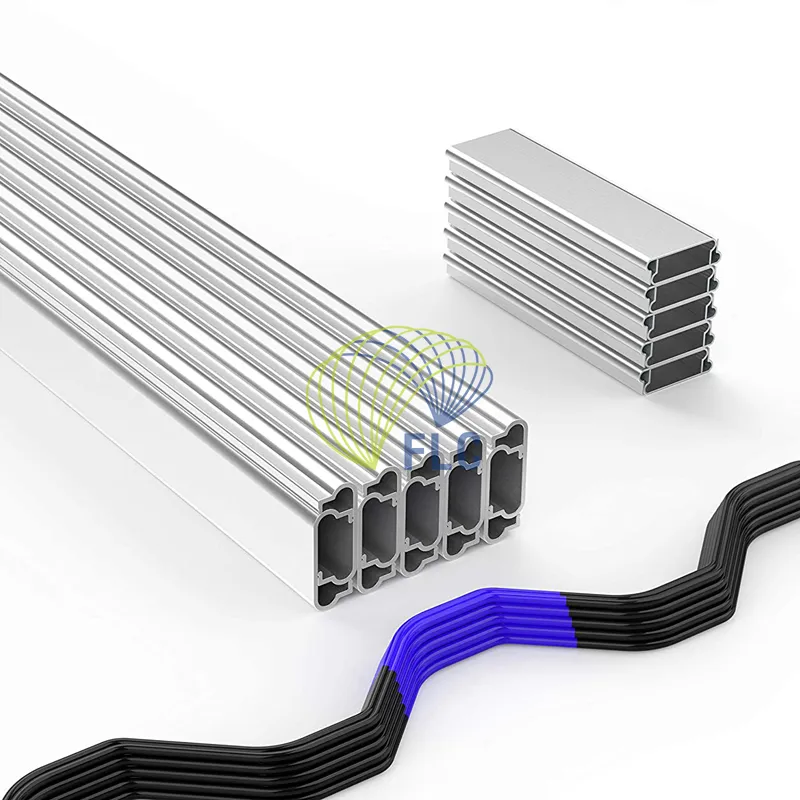
El sistema de canal de fijación con alambre ondulado surgió como una elegante solución de ingeniería a estos retos persistentes. El concepto se basa en dos componentes que se acoplan entre sí: una base rígida en forma de U, conocida como canal de fijación, que se fija de forma permanente al armazón del invernadero; y un alambre flexible en forma de zigzag, comúnmente llamado alambre ondulado o cierre de resorte. Para fijar la cubierta, el film se coloca sobre el canal y, a continuación, el alambre ondulado se presiona dentro del canal con un movimiento continuo y ondulante. La tensión elástica del alambre y su patrón ondulado crean cientos de puntos de contacto, distribuyendo la fuerza de sujeción de manera uniforme a lo largo de todo el canal. Este mecanismo sujeta el film de forma segura sin perforarlo, creando un sellado a prueba de viento que es a la vez notablemente resistente y fácilmente reversible. Para soltar la película, basta con sacar el alambre del canal. Esta innovación representa un cambio de paradigma, pasando de los sujetadores desechables y dañinos a un método de fijación de la película duradero, reutilizable y fundamentalmente más sostenible.
Factor 1: Composición del material: la clave de la durabilidad
A la hora de seleccionar un sistema de canal de cierre con alambre flexible, la primera y más importante consideración es el material con el que están fabricados sus componentes. La elección entre aluminio o acero galvanizado para el canal, y acero inoxidable o acero para resortes recubierto para el alambre, tiene implicaciones profundas en la vida útil, el rendimiento y la idoneidad del sistema para entornos específicos. Estos materiales no son intercambiables; poseen propiedades distintas relacionadas con la resistencia, el peso y, lo más importante, la resistencia a la corrosión.
El canal de cierre: aluminio frente a acero galvanizado
El canal de fijación es la columna vertebral del sistema, el elemento fijo del armazón de su invernadero. La integridad de su material es fundamental.
Acero galvanizado: Esta opción consiste en una base de acero recubierta con una capa de zinc. El proceso de galvanización proporciona una protección sacrificial contra la corrosión; el zinc se corroe antes que el acero, lo que preserva la resistencia estructural del canal durante un tiempo (Asociación Estadounidense de Galvanizadores, 2022). El acero galvanizado suele ser más resistente y más económico inicialmente que el aluminio, lo que lo convierte en una opción atractiva para los productores con un presupuesto ajustado. Sin embargo, su principal vulnerabilidad es la naturaleza finita de su recubrimiento protector. Cualquier rasguño, corte o agujero de taladro que exponga el acero subyacente se convierte en un punto de partida potencial para el óxido. En regiones húmedas, costeras o con altas precipitaciones, como las que se encuentran en el sudeste asiático o en partes de Sudamérica, la vida útil del acero galvanizado puede acortarse significativamente a medida que se consume la capa de zinc.
Aluminio: Los canales de aluminio suponen una inversión inicial mayor, pero ofrecen una propuesta de valor superior a largo plazo, especialmente en entornos corrosivos. El aluminio forma de manera natural una capa pasiva de óxido de aluminio en su superficie cuando se expone al aire. Esta capa de óxido es increíblemente estable, inerte y autorreparable; si se raya, se forma una nueva capa protectora casi al instante. El resultado es un canal prácticamente inmune al óxido. Además, el aluminio es significativamente más ligero que el acero, lo que puede ser una ventaja durante la instalación, especialmente cuando se trabaja en altura o en estructuras grandes. Si bien su resistencia a la tracción es menor que la del acero, un perfil de canal de aluminio bien diseñado proporciona una resistencia más que suficiente para asegurar las láminas de invernadero. Para los productores en zonas costeras con niebla salina o regiones con alta humedad, el aluminio es la opción clara para maximizar la longevidad de la inversión.
The Wiggle Wire: Acero inoxidable frente a acero para resortes
El cable flexible es el componente activo, que se flexiona y se sujeta en cada instalación. Su material debe combinar resistencia mecánica con flexibilidad y resistencia a la corrosión.
Acero para resortes recubierto de PVC: Este es el tipo más común de alambre ondulado. Está fabricado con acero para resortes de alta resistencia, lo que le confiere la solidez y la memoria necesarias para mantener su forma y ejercer una presión constante dentro del canal. Posteriormente, el alambre se recubre con una capa gruesa de cloruro de polivinilo (PVC). Este recubrimiento cumple dos funciones esenciales. En primer lugar, actúa como barrera contra la humedad, protegiendo el acero subyacente del óxido. En segundo lugar, su superficie lisa y suave evita que el alambre raspe o perfore el plástico del invernadero durante la instalación o bajo la acción del viento. La calidad del recubrimiento de PVC es un factor clave; un recubrimiento delgado o mal adherido puede agrietarse o desprenderse, dejando al descubierto el acero y frustrando el propósito.
Acero inoxidable: Algunos sistemas ofrecen alambres oscilantes de acero inoxidable. El acero inoxidable es una aleación que contiene cromo, lo que le confiere una resistencia inherente a la corrosión sin necesidad de recubrimiento. Es una opción extremadamente duradera, especialmente en entornos donde una alta exposición a los rayos UV podría degradar un recubrimiento de PVC a lo largo de muchos años. El principal inconveniente del acero inoxidable sin recubrimiento es el riesgo de abrasión del plástico. El contacto duro entre el metal y el plástico puede, con el tiempo y con suficiente movimiento causado por el viento, desgastar el film del invernadero en los puntos de contacto. Por esta razón, incluso los alambres de acero inoxidable a veces cuentan con un recubrimiento de polímero para proporcionar esa capa protectora.
Una historia de dos metales: tabla comparativa
Para aclarar estas opciones, veamos las ventajas y desventajas de las principales opciones de materiales para el canal de cierre.
| Característica | Perfil de acero galvanizado | Perfil de aluminio |
|---|---|---|
| Resistencia a la corrosión | Es bueno, pero tiene una duración limitada. Se basa en un recubrimiento de zinc de sacrificio. Es vulnerable a los cortes y arañazos. | Excelente. Forma una capa de óxido pasiva con capacidad de autorreparación. Ideal para zonas húmedas o costeras. |
| Fuerza | Resistencia a la tracción muy alta. | Buena resistencia, suficiente para todas las necesidades de fijación de películas. |
| Peso | Pesado. Su instalación en estructuras grandes puede resultar más complicada. | Ligero. Más fácil de manejar e instalar, lo que reduce la mano de obra. |
| Costo inicial | Más bajo. Más asequible desde el principio. | Más alto. Implica una inversión inicial mayor. |
| Vida útil | Su vida útil es más corta, sobre todo en entornos corrosivos. El óxido es la principal causa de fallo. | Muy larga. Su vida útil suele verse limitada por los daños físicos, no por la corrosión. |
| Mejor caso de uso | Climas secos y áridos; proyectos con un presupuesto limitado; estructuras con una vida útil prevista más corta. | Climas húmedos, costeros o con abundantes precipitaciones; explotaciones profesionales de invernadero a largo plazo. |
Factor 2: Recubrimiento y resistencia a la corrosión para una mayor durabilidad
Más allá del material base en sí, los recubrimientos protectores aplicados tanto al canal de cierre como al alambre flexible son de vital importancia para la durabilidad del sistema. Estos recubrimientos no son meramente estéticos; son capas funcionales que combaten el implacable proceso químico de la corrosión. Un invernadero es, por su naturaleza, un entorno de alta humedad, lo que hace que todos los componentes metálicos sean susceptibles de degradarse. Comprender la ciencia detrás de estas capas protectoras permite al cultivador tomar una decisión más informada que proteja su inversión en los años venideros.
La ciencia de la galvanización: proteger el canal
Para quienes eligen perfiles de acero, la calidad del galvanizado es el factor más importante que determina su vida útil. El galvanizado es el proceso de aplicar una capa de zinc al acero para evitar la oxidación. El método más común para los componentes estructurales es el galvanizado por inmersión en caliente, en el que la pieza de acero se sumerge en un baño de zinc fundido. Este proceso crea un recubrimiento adherido de varias capas de aleaciones de zinc y hierro, con una capa final de zinc puro.
La protección que ofrece el zinc es doble. En primer lugar, actúa como barrera física, impidiendo que el oxígeno y el agua lleguen al acero que se encuentra debajo. Y lo que es más importante, proporciona protección «catódica» o «sacrificial». El zinc es más activo desde el punto de vista electroquímico que el hierro (acero). Cuando el recubrimiento se raya y ambos metales quedan expuestos a un electrolito (como la humedad), el zinc se corroe preferentemente, actuando como un ánodo para proteger el cátodo de acero. El zinc, esencialmente, se sacrifica a sí mismo para salvar al acero. El espesor del recubrimiento de zinc, que a menudo se mide en micras u onzas por pie cuadrado, se correlaciona directamente con la vida útil del perfil. Un recubrimiento más grueso proporciona una mayor reserva de zinc para sacrificar, lo que prolonga el tiempo antes de que el óxido pueda afectar al acero base (Hassan, 2021). Al evaluar los canales galvanizados, preguntar por el espesor o el grado de galvanización (por ejemplo, G-90, G-60) puede proporcionar una medida tangible de su longevidad esperada.
Por qué es importante el recubrimiento de PVC en el cable flexible
El alambre flexible, debido a su flexión constante y al contacto directo con la película, requiere un tipo de protección diferente. Como ya se ha mencionado, el estándar es un alambre de acero para resortes recubierto de PVC. No se puede subestimar la importancia de este recubrimiento.
Imagina un alambre de acero desnudo presionado contra una fina lámina de polietileno. Cuando el viento hace que la lámina se agite, aunque sea mínimamente, el alambre actuaría como una lima, desgastando la superficie de la lámina. La luz solar degradaría entonces el plástico debilitado y, inevitablemente, se produciría un desgarro. El recubrimiento de PVC crea una capa protectora lisa y flexible entre el metal duro y la lámina blanda. Amortigua la lámina, evitando este tipo de daño mecánico.
Además, el recubrimiento es la principal defensa del alambre contra el óxido. El acero para resortes utilizado en los alambres flexibles tiene un alto contenido de carbono para mayor resistencia, lo que también lo hace muy susceptible a la corrosión. Una pequeña rotura en el recubrimiento de PVC puede permitir que se filtre la humedad, provocando que el alambre se oxide desde adentro hacia afuera. Un alambre oxidado pierde su elasticidad y resistencia, lo que reduce su capacidad de sujeción. Con el tiempo, puede romperse por completo. Un alambre flexible de alta calidad tendrá un recubrimiento de PVC grueso y estabilizado contra los rayos UV que está químicamente unido al alambre para resistir grietas o desprendimientos incluso después de años de exposición al sol e instalaciones repetidas.
Segunda tabla comparativa: Efecto del recubrimiento en la vida útil
Comparemos el rendimiento previsto de diferentes combinaciones de recubrimientos y materiales en un entorno típico de invernadero con alta humedad.
| Combinación de componentes | Esperanza de vida | Modo de fallo primario | Clima recomendado |
|---|---|---|---|
| Perfil galvanizado + alambre recubierto de PVC | 5-10 años | Óxido en los canales, especialmente en los elementos de fijación y en los extremos cortados. | De seca a moderadamente húmeda. |
| Perfil de aluminio + alambre recubierto de PVC | 15-25+ años | Deterioro del recubrimiento de PVC del cable; daños físicos en el conducto. | Todo tipo de climas, especialmente en zonas con alta humedad, costeras o con lluvia ácida. |
| Perfil de aluminio + alambre de acero inoxidable | 20-30+ años | Posible desgaste de la película si el alambre no está recubierto; daños físicos. | Entornos con radiación ultravioleta extrema; situaciones en las que la película se cambia con mucha frecuencia. |
Factor 3: Perfil y profundidad del canal: la geometría del agarre
El rendimiento de un sistema de canales de sujeción con alambre ondulado no depende únicamente de los materiales con los que está fabricado. El diseño físico —la geometría del propio canal— desempeña un papel fundamental a la hora de determinar su capacidad de sujeción, su versatilidad y su resistencia frente a fuerzas ambientales como el viento. Dos aspectos clave del diseño que hay que tener en cuenta son la elección entre perfiles de canal simple o doble y la profundidad del canal.
Diseños de canal único frente a diseños de doble canal
Un solo canal: Este es el perfil estándar, que cuenta con una ranura en forma de U diseñada para alojar uno o dos alambres flexibles. Es el producto más utilizado en el sector y resulta adecuado para la gran mayoría de aplicaciones en las que se fija el film principal del invernadero. Su sencillez lo convierte en una opción rentable y fácil de instalar. Para la mayoría de los productores, un perfil de un solo canal de alta calidad es más que suficiente para fijar el cuerpo principal del recubrimiento del invernadero.
Doble canal: Un perfil de doble canal cuenta con dos ranuras en forma de U situadas una al lado de la otra. Se trata, básicamente, de dos canales extruidos en una sola pieza de aluminio o conformados a partir de una sola pieza de acero. Este diseño ofrece una gran versatilidad. Su objetivo principal es permitir la fijación independiente de dos materiales distintos en el mismo lugar. Por ejemplo, un agricultor podría instalar la película principal de polietileno en el canal exterior y luego instalar una malla de sombreo o una red contra insectos en el canal interior. Esto permite agregar o retirar la malla de sombreo según la temporada sin alterar el sellado principal a prueba de clima del invernadero. Otro uso común es en las paredes laterales enrollables, donde un canal sujeta la parte superior fija de la lámina de la pared, mientras que el otro sirve como punto de fijación para la cortina enrollable en sí. Aunque es más costoso, el doble canal ofrece una solución limpia y profesional para estrategias de capas complejas. Para tomar una decisión informada, puede explorar una gama completa de componentes para invernaderos y ver cómo se integran estos sistemas.
La importancia de la profundidad del canal para múltiples capas
Independientemente de si eliges un canal simple o doble, su profundidad es una característica que vale la pena tener en cuenta. La profundidad del canal influye directamente en el número de capas de material que puede sostener de manera segura. Un canal estándar suele estar diseñado para sostener sin problemas un alambre flexible con una o dos capas de plástico de invernadero (en el caso de una instalación de doble inflado).
Sin embargo, los productores a menudo necesitan sujetar algo más que el plástico. Es habitual colocar materiales en capas; por ejemplo, instalar un plástico principal, luego una capa de malla de sombreo y tal vez incluso una malla contra insectos, todo ello dentro del mismo canal. Es posible que un canal poco profundo no tenga la profundidad suficiente para albergar el volumen de estos materiales más el alambre ondulado. Intentar forzar demasiadas capas en un canal poco profundo puede dar lugar a una sujeción débil, con el alambre ondulado saliéndose al someterse a tensión. Un perfil de canal más profundo ofrece más espacio, lo que asegura que el alambre flexible pueda asentarse completamente incluso con tres o cuatro capas de material, garantizando una sujeción segura. Cuando se prevé colocar varias capas de cubierta, es una decisión acertada seleccionar un sistema con un perfil de canal más profundo.
Cómo influye la geometría en la resistencia al viento
La capacidad del sistema para resistir el viento depende tanto de la resistencia del material como de la geometría del cierre. Cuando se inserta el alambre ondulado, sus «ondulaciones» presionan la película contra las paredes internas del canal. La fuerza del viento, que tira de la película hacia arriba, se traduce en una fuerza de cizallamiento contra el alambre. Un sistema bien diseñado crea un cierre mecánico firme. Las curvas del alambre y las paredes del canal actúan conjuntamente para evitar que la película se salga. Un canal con bordes superiores ligeramente curvados hacia adentro puede añadir un grado adicional de acción de cierre, lo que hace aún más difícil que el alambre se desplace. La presión constante y distribuida que aplica el alambre ondulado es muy superior a los puntos de tensión concentrados de los tornillos o las grapas, que pueden actuar como puntos de inicio de desgarros bajo la carga cíclica de los vientos fuertes. Esta ventaja geométrica es una de las razones principales por las que el sistema se ha adoptado ampliamente en la horticultura profesional.
Factor 4: Compatibilidad con los films y las capas de los invernaderos
En definitiva, la eficacia de un sistema de canales de sujeción con alambre flexible depende de su capacidad para adaptarse a los recubrimientos que está diseñado para fijar. Su genialidad radica en su versatilidad: su capacidad para manejar no solo una sola capa de película estándar, sino una amplia gama de materiales y combinaciones de capas que los productores modernos utilizan para ajustar con precisión las condiciones de sus invernaderos. Evaluar la compatibilidad de un sistema con su estrategia específica de recubrimiento es un paso esencial en el proceso de selección.
Fijación de película de polietileno de una sola capa frente a doble capa
El uso más común de un canal para alambre flexible es la fijación de láminas de polietileno (polietileno) para invernaderos. Esta lámina es en sí misma un producto sofisticado, que suele constar de varias capas con inhibidores de rayos UV, propiedades antigoteo y características específicas de difusión de la luz.
Una sola capa: En el caso de estructuras sencillas, como los túneles altos, o en climas templados, suele bastar con una sola capa de polietileno. El canal de alambre ondulado sujeta esta capa de forma limpia y eficaz, proporcionando un sellado hermético.
De doble capa, inflado: Para mejorar el aislamiento y ahorrar energía, muchos productores de climas más fríos (como Rusia) o más cálidos (para reducir la acumulación de calor) utilizan un sistema de doble capa. Se instalan dos láminas de polietileno y un pequeño ventilador de inflado bombea aire continuamente entre ellas, creando una cámara de aire aislante. El canal de alambre ondulado es ideal para esto. Ambas capas de película se colocan simplemente sobre el canal, y se presiona un solo alambre ondulado para fijarlas ambas al mismo tiempo. La sujeción firme del sistema es clave para mantener la integridad del sello de aire alrededor de todo el perímetro del invernadero. La capacidad de fijar fácilmente dos capas es una ventaja importante sobre los métodos que requerirían el doble de trabajo.
Cómo utilizar las mallas de sombreo, las redes contra insectos y las cortinas opacas
La agricultura moderna suele requerir algo más que una simple cubierta transparente. La utilidad de un canal para alambre flexible se extiende a estos materiales especializados.
Telas de sombreo: En regiones con sol intenso, como Oriente Medio o algunas zonas de Sudamérica y África, se utiliza malla de sombreo para reducir la intensidad de la luz y bajar la temperatura dentro del invernadero. Se puede utilizar un canal de alambre flexible para fijar la malla de sombreo directamente sobre el plástico principal. Como se ha señalado anteriormente, un canal doble es la solución ideal en este caso, ya que permite manejar la malla de sombreo de forma independiente.
Redes contra insectos: Para proteger los cultivos de plagas como los trips o la mosca blanca sin recurrir al uso intensivo de pesticidas, los productores instalan mallas contra insectos de malla fina, especialmente sobre los conductos de ventilación y otras aberturas. Los canales de alambre flexible proporcionan el marco perfecto para estas mallas, garantizando un cierre hermético sin huecos por los que puedan penetrar los insectos.
Cortinas opacas: Para controlar el fotoperíodo y estimular la floración en cultivos como los crisantemos o el cannabis, se necesitan cortinas opacas que bloqueen la luz. Estas suelen instalarse en sistemas internos retráctiles. Se utilizan canales de alambre flexible para sujetar los bordes de estas cortinas, lo que evita las fugas de luz que podrían alterar el ciclo de las plantas. La capacidad de soportar estos materiales más pesados, a menudo reforzados, demuestra la resistencia del sistema.
Nota sobre el espesor de la película (micras/mils)
Los plásticos para invernaderos se comercializan en diversos espesores, que suelen medirse en milésimas de pulgada (mil) o en micras (millonésimas de metro). Un espesor habitual es de 6 mil (alrededor de 150 micras). Aunque un sistema de alambre flexible puede adaptarse a una amplia gama de espesores, es recomendable verificar que la combinación de canal y alambre esté optimizada para el plástico que se pretende utilizar. Un film excepcionalmente grueso o rígido podría ser más difícil de instalar en un canal muy estrecho. Por el contrario, un film muy delgado colocado en un canal demasiado ancho podría no quedar sujeto con la misma firmeza. Sin embargo, para la gran mayoría de los films para invernaderos, telas de sombreo y redes estándar, un sistema de alambre flexible bien fabricado proporciona un ajuste confiable y seguro.
Factor 5: Instalación y mantenimiento: un indicador de la practicidad
Más allá de las especificaciones técnicas de los materiales y el diseño, los aspectos prácticos de la instalación y el mantenimiento a largo plazo son factores fundamentales para cualquier agricultor. Un sistema difícil de instalar puede acarrear mayores costos de mano de obra y una fijación inadecuada, mientras que uno que requiera un mantenimiento constante supone una pérdida de tiempo y recursos. El sistema de canales de sujeción con alambre flexible destaca en ambos aspectos, ya que ofrece un proceso de instalación sencillo y una vida útil con un mantenimiento notablemente reducido.
Guía paso a paso para la instalación de cable flexible
El proceso es intuitivo, pero seguir los pasos correctos garantiza un resultado profesional y seguro. Repasémoslo.
- Preparación del bastidor: Asegúrese de que la superficie de los arcos o del armazón del invernadero donde se montará el canal esté limpia y libre de residuos.
- Corta el canal: El perfil de fijación, ya sea de aluminio o de acero, debe cortarse para que se ajuste a las medidas del armazón de su invernadero (por ejemplo, a lo largo de las tablas de cumbrera, los zócalos y alrededor de los marcos de las puertas). Para ello, se utiliza una sierra con hoja para cortar metal. En el caso del acero galvanizado, es recomendable aplicar una capa de pintura rica en zinc a los extremos cortados para restablecer cierta protección contra la corrosión.
- Fijar el canal: A continuación, se fija el canal al marco. El método más común es utilizar tornillos autorroscantes. La separación entre tornillos es importante; una recomendación habitual es colocar un tornillo cada 24 pulgadas (unos 60 cm), aunque en zonas con vientos fuertes, reducir esta distancia a 18 pulgadas (45 cm) proporciona mayor seguridad. Asegúrese de que los tornillos se atornillen en línea recta y queden bien ajustados, pero no los apriete en exceso hasta el punto de deformar el canal.
- Coloca la película: Extienda el plástico para invernadero sobre la estructura, asegurándose de que quede bien colocado y de que sobresalga lo suficiente por encima de los canales de sujeción (al menos 15 cm). A menudo es mejor comenzar a fijarlo en un día tranquilo, nublado y moderadamente cálido, ya que el plástico será más flexible y estará menos dilatado que bajo el sol directo.
- Empieza por una esquina: Empieza a fijar el plástico en una esquina del invernadero. Coloca el plástico sobre el canal.
- «Mueve» el cable: Toma el primer trozo de alambre flexible. Empieza por un extremo del canal y presiona el alambre en la ranura que recubre la película. Haz un movimiento de vaivén o «oscilante», empujando el alambre hacia abajo dentro del canal con los pulgares. Notarás que encaja firmemente en su lugar. Continúa con este movimiento a lo largo de todo el alambre.
- Mantener la tensión: Mientras avanzas por uno de los lados del invernadero, pide a alguien que te ayude a tensar el plástico (sin estirarlo demasiado) por delante del punto donde vas a colocar el alambre. El objetivo es eliminar las arrugas y la holgura, de modo que, una vez terminado, la superficie quede lisa y bien tensa.
- Cables superpuestos: Los alambres flexibles suelen ser más cortos que los canales. Para crear un cierre continuo, basta con superponer el extremo de un alambre con el principio del siguiente dentro del canal unos centímetros.
- Recorta el exceso: Una vez que la película esté bien fijada, utiliza un cúter para recortar con cuidado el exceso de película justo por fuera del canal de la cerradura y lograr así un acabado limpio y profesional.
Herramientas del oficio: lo que realmente necesitas
Una de las ventajas de este sistema es que apenas requiere herramientas especializadas. Los requisitos principales son:
- Una cinta métrica.
- Una sierra para cortar la ranura (por ejemplo, una sierra ingletadora o una sierra circular con hoja para metal).
- Un taladro o atornillador con una punta hexagonal para los tornillos autorroscantes.
- Un cúter para recortar la película.
No se necesitan herramientas de tensado especializadas, grapadoras ni pistolas de clavos. La instalación se realiza en su mayor parte a mano.
Mantenimiento a largo plazo: un enfoque minimalista
Una vez instalado, el sistema de canales de sujeción con alambre flexible prácticamente no requiere mantenimiento. Las tareas principales consisten en realizar inspecciones periódicas. Una vez por temporada, es recomendable recorrer el perímetro del invernadero e inspeccionar visualmente los canales. Comprueba si hay algún alambre que se haya soltado (algo muy poco frecuente si la instalación se ha realizado correctamente) y vuelve a encajarlo en su sitio. Busque signos de corrosión significativa en los canales galvanizados, especialmente en las uniones o en los puntos de los tornillos. Con los canales de aluminio, el mantenimiento es aún más sencillo, ya que la corrosión no es un problema.
Cuando llega el momento de reemplazar el plástico del invernadero (por lo general, cada 4 a 7 años, dependiendo de la calidad del plástico y del clima), el sistema demuestra su verdadero valor económico. Simplemente se retiran los alambres flexibles, se quita el plástico viejo y se instala el nuevo utilizando exactamente los mismos canales y alambres. Los componentes son 100 % reutilizables, lo que ahorra el costo de nuevos sujetadores y el trabajo de retirar cientos de los viejos. Esta reutilización es la base de la rentabilidad del sistema a lo largo de la vida útil de un invernadero.
Factor 6: Adaptarse al clima: del frío siberiano al calor árabe
El objetivo de un invernadero es desafiar el clima local, pero la estructura en sí debe construirse para soportarlo. El diseño robusto del sistema de canales de cierre con alambre flexible lo hace adecuado para una amplia gama de climas en todo el mundo, pero comprender cómo los factores de estrés ambiental afectan su rendimiento permite mejorar las prácticas de selección e instalación. Consideremos los desafíos específicos que plantean las diversas regiones de Sudamérica, Rusia, el Sudeste Asiático, el Medio Oriente y Sudáfrica.
Vientos fuertes y exposición a los rayos UV (América del Sur, Oriente Medio, Sudáfrica)
Muchas zonas de estas regiones sufren una intensa radiación solar y períodos de fuertes vientos.
Radiación UV: Los rayos ultravioleta del sol son uno de los principales enemigos de los plásticos. Con el tiempo, la exposición a los rayos UV hace que el film de polietileno se vuelva quebradizo y frágil. El recubrimiento de PVC de un cable flexible también puede degradarse tras años de exposición intensa al sol. Para entornos hiperáridos y con altos niveles de rayos UV, como la región de Atacama o los desiertos de Oriente Medio, es fundamental seleccionar un cable flexible con un recubrimiento de alta calidad y estabilizado contra los rayos UV. Como alternativa, en este caso se podría considerar un canal de aluminio combinado con un cable de acero inoxidable sin recubrimiento, ya que ambos componentes son intrínsecamente inmunes a la degradación por los rayos UV.
Carga del viento: Desde los vientos de la Patagonia en Sudamérica hasta los vientos estacionales de Shamal en la Península Arábiga, el viento ejerce una enorme fuerza de elevación sobre la cubierta de un invernadero. Contar con un sistema de sujeción seguro es imprescindible. Para estas regiones, se recomiendan varias prácticas recomendadas:
- Utilice perfiles de aluminio por su durabilidad en entornos costeros con aire salino.
- Reduzca la distancia entre los tornillos que fijan el canal al marco de 24 pulgadas a 18 o incluso 12 pulgadas (30-45 cm) para obtener la máxima resistencia.
- Asegúrate de que el alambre flexible quede bien encajado en el canal y de que la lámina esté instalada sin holgura, ya que esto podría hacer que se levante con el viento y aumente la carga.
Carga de nieve y ciclos de congelación-descongelación (Rusia)
Los retos en un clima como el de Rusia son muy diferentes. Las principales preocupaciones son la acumulación de grandes cantidades de nieve y el desgaste físico provocado por los repetidos ciclos de congelación y descongelación.
Carga de nieve: Una nevada intensa y húmeda puede ejercer una presión descendente considerable sobre un invernadero. Si bien la mayor parte de esta carga recae sobre la estructura, el sistema de sujeción sostiene el plástico que soporta el peso de la nieve. La sujeción continua y de alta resistencia del sistema de alambre flexible es ideal para distribuir esta carga sin crear puntos de tensión que puedan provocar desgarros. Es necesario utilizar un material de canal resistente, ya sea acero galvanizado de gran espesor o aluminio robusto.
Ciclos de congelación-descongelación: El agua puede filtrarse por pequeñas grietas, congelarse, expandirse y luego descongelarse. Este ciclo puede aflojar gradualmente los componentes. Un sistema de cable flexible instalado correctamente, gracias a su ajuste firme y elástico, deja muy poco espacio para que el agua penetre y se congele, lo que lo hace altamente resistente a este tipo de tensión mecánica. El recubrimiento de PVC del cable se mantiene flexible incluso a temperaturas muy bajas, lo que evita que se vuelva quebradizo y se agriete.
Humedad y lluvias torrenciales (Sudeste Asiático)
En los climas tropicales del sudeste asiático, los factores ambientales más característicos son la humedad constante, las fuertes lluvias monzónicas y el riesgo de tifones.
Humedad y corrosión: La elevada humedad casi constante crea un entorno perfecto para la oxidación. En estas condiciones, optar por el acero galvanizado para los canales de cierre supone un riesgo significativo a largo plazo. Incluso un pequeño rasguño en el recubrimiento de zinc se convertirá rápidamente en un foco de corrosión. Los canales de cierre de aluminio son, sin lugar a dudas, la mejor opción para esta región. Su resistencia inherente a la corrosión garantiza una vida útil de décadas, lo que justifica su mayor costo inicial.
Lluvias intensas y tifones: El sistema debe proporcionar un sellado totalmente hermético para soportar lluvias torrenciales. La firme presión del alambre ondulado crea ese sellado. En zonas propensas a los tifones, las consideraciones son similares a las de cualquier región con vientos fuertes, lo que exige una mayor densidad de tornillos y una instalación meticulosa para garantizar que toda la cubierta actúe como una sola capa unificada frente a las fuerzas de la tormenta.
Factor 7: Fiabilidad del proveedor y valor a largo plazo
El último factor de esta guía para compradores va más allá del producto físico en sí mismo; se refiere a la fuente de la que lo adquiere. En un mercado global, componentes como los canales de fijación de alambre flexible pueden obtenerse de numerosos fabricantes. Sin embargo, no todos los productos son iguales. Evaluar la confiabilidad del proveedor es tan importante como evaluar el calibre del acero o el espesor del recubrimiento de PVC. Esta elección tiene un impacto directo en el valor a largo plazo y el éxito de su proyecto de invernadero.
Evaluación de un proveedor: más allá del precio
Es tentador elegir a un proveedor basándose en el precio unitario más bajo. Esto puede resultar un error costoso. Un precio más bajo suele ser indicativo de concesiones en la calidad que no se perciben de inmediato. Entre ellas pueden figurar:
- Material más fino: Un perfil fabricado con aluminio o acero de menor espesor será menos resistente a la flexión y a los daños.
- Recubrimientos de baja calidad: Un recubrimiento de galvanizado más delgado o de menor calidad en un perfil de acero se corroerá más rápidamente. Un recubrimiento de PVC no estabilizado contra los rayos UV o con una adherencia deficiente en un alambre ondulado se agrietará y descascarillará, lo que provocará un fallo prematuro.
- Dimensiones inconsistentes: Un control de calidad deficiente puede provocar variaciones en el ancho del canal, lo que da lugar a un agarre demasiado flojo o demasiado apretado.
Por el contrario, un proveedor de confianza da prioridad a la coherencia y la transparencia. Podrá proporcionar especificaciones técnicas claras de sus productos, incluyendo los grados de los materiales, los espesores de los recubrimientos y las aplicaciones recomendadas. Respalda la calidad de su proceso de fabricación.
La importancia de la coherencia del producto y la asistencia técnica
Cuando construyes o amplías un invernadero a lo largo de varios años, necesitas tener la seguridad de que el perfil que compres dentro de tres años será idéntico al que compras hoy. Debe ser compatible con el mismo alambre flexible y ofrecer el mismo rendimiento. Un proveedor confiable garantiza este nivel de consistencia en el producto.
Además, tenga en cuenta el valor del soporte técnico. ¿Puede el proveedor ofrecerle asesoramiento sobre la instalación en su clima específico? ¿Puede ayudarle a calcular la cantidad de materiales necesarios para su proyecto? ¿Cuenta con un historial de buen servicio al cliente y entregas puntuales? Comprender el compromiso de la empresa con la calidad y el éxito del cliente le brinda una tranquilidad que una simple lista de precios no puede ofrecer. Un proveedor no es solo un vendedor; es un socio en su empresa agrícola.
Calcular el costo real: una inversión, no un gasto
El verdadero costo de un sistema de canales de cierre con alambre flexible no es su precio de compra. El verdadero costo es el costo total de propiedad a lo largo de la vida útil de su invernadero.
Consideremos dos situaciones. Escenario A se trata de un sistema de acero galvanizado de bajo costo. Permite ahorrar dinero inicialmente. Sin embargo, tras seis años en un clima húmedo, los canales se están oxidando y el recubrimiento del alambre, de baja calidad, se está descascarillando, lo que provocó un desgarro en el plástico durante una tormenta. El resultado es la pérdida de la cosecha, además del costo que supone reemplazar no solo el plástico, sino también todo el sistema de sujeción.
Escenario B implica un sistema de canales de aluminio de mayor costo inicial, con cables recubiertos de PVC de alta calidad procedentes de un proveedor de confianza. Veinte años después, los canales siguen en perfecto estado estructural y los cables se han reutilizado tras tres cambios de película. La inversión inicial, una vez amortizada a lo largo de dos décadas, resulta haber sido mucho más económica.
El canal de cierre con alambre flexible es una inversión a largo plazo en la seguridad y la eficiencia de su invernadero. Elegir un producto de calidad de un proveedor confiable es un paso fundamental para garantizar un buen retorno de esa inversión durante muchas cosechas venideras.
Integración de los canales de alambre flexible con otros sistemas de invernadero
La utilidad del canal de fijación con alambre flexible va más allá de la simple sujeción del techo y las paredes principales de un invernadero. Su diseño adaptable lo convierte en un componente ideal para integrar otros sistemas funcionales, especialmente los relacionados con la ventilación y el control climático. Esta integración da como resultado una estructura más cohesionada, eficiente y con un acabado profesional.
Lados enrollables con enrolladores de película
La ventilación natural mediante paredes laterales enrollables es un método rentable y muy utilizado para controlar la temperatura y la humedad. Este sistema suele incluir un «enrollador de plástico» o caja de engranajes que, al girarla con una manivela, enrolla el plástico del invernadero alrededor de un tubo giratorio. El canal de alambre ondulado es fundamental para la creación de estos sistemas.
A menudo se utiliza un canal de doble cierre en la parte superior de la pared. La parte superior fija de la lámina de la pared se fija en un canal. El borde superior de la cortina móvil se fija en el segundo canal. En la parte inferior de la cortina móvil, la lámina se fija al tubo de enrollado. Para esta conexión inferior se puede utilizar incluso un canal de alambre flexible, fijando primero el canal al tubo y luego bloqueando la lámina en él. Esto proporciona una conexión segura y antideslizante que garantiza que la lámina se enrolle de manera uniforme. El resultado es un sistema de ventilación de funcionamiento suave que queda perfectamente sellado cuando está cerrado.
Protección de los paneles alrededor de los ventiladores de circulación y los sistemas de ventilación
Una circulación adecuada del aire es fundamental para mantener un ambiente saludable en el invernadero, ya que evita la formación de zonas de aire estancado y húmedo donde pueden proliferar las enfermedades. Esto se logra mediante ventiladores de circulación instalados en el interior de la estructura y ventiladores de extracción montados en las paredes de los extremos para garantizar una ventilación activa. Es fundamental crear sellos herméticos alrededor de estos ventiladores grandes y potentes para garantizar su eficiencia.
Los canales de alambre flexible son la solución perfecta para esta tarea. En lugar de intentar realizar cortes complicados en una sola pieza grande de película, los productores pueden enmarcar las aberturas para los ventiladores con canales de sujeción. A continuación, se puede fijar una pieza separada de película o un panel rígido de policarbonato alrededor de la carcasa del ventilador. El canal proporciona un borde firme, limpio y sellado. En el caso de las rejillas de ventilación, el canal se puede utilizar para enmarcar toda la abertura, y el plástico se puede fijar perfectamente a su alrededor, evitando corrientes de aire y la pérdida de energía cuando las rejillas están cerradas. Este enfoque modular simplifica la construcción y el mantenimiento, permitiendo sustituir un ventilador o una rejilla de ventilación sin alterar la cubierta principal del invernadero.
Preguntas frecuentes (FAQ)
¿Puedo reutilizar el cable flexible y el canal de bloqueo?
Por supuesto. Una de las principales ventajas de este sistema es su reutilización. Tanto el canal de fijación metálico como el alambre flexible recubierto de PVC están diseñados para múltiples usos. Cuando necesites cambiar el plástico de tu invernadero, solo tienes que sacar el alambre, quitar el plástico viejo, colocar el nuevo y volver a instalar el mismo alambre en el mismo canal. Esto reduce significativamente los costos a largo plazo.
¿Cuántas capas de plástico o malla de sombreo puede soportar un solo canal?
Un perfil estándar de alta calidad suele tener capacidad para un alambre flexible y hasta tres o cuatro capas de material, dependiendo de su grosor. Esto suele ser suficiente para una doble capa de película de polietileno inflada más una malla de sombreo. Si planeas utilizar muchas capas gruesas, busca un perfil que se anuncie específicamente como «profundo» para garantizar una sujeción segura.
¿Cuál es la diferencia entre un canal de bloqueo simple y uno doble?
Un canal simple cuenta con una ranura para una línea de alambre flexible. Se utiliza para la mayoría de las aplicaciones estándar. Un canal doble cuenta con dos ranuras paralelas en una sola pieza. Se trata de un artículo especializado que se utiliza cuando se desea fijar dos materiales diferentes en el mismo punto, pero manteniéndolos independientes, como por ejemplo al instalar una malla principal y una malla de sombreo desmontable.
¿A qué distancia debo colocar los tornillos al instalar el canal de la cerradura?
En la mayoría de los casos, basta con colocar un tornillo autorroscante cada 24 pulgadas (unos 60 cm). Sin embargo, en zonas conocidas por sus fuertes vientos, se recomienda encarecidamente reducir esta distancia a 18 pulgadas (45 cm) o incluso a 12 pulgadas (30 cm) para lograr la máxima resistencia a la fuerza de elevación del viento.
Mi cable flexible es difícil de instalar. ¿Qué estoy haciendo mal?
Si le cuesta introducir el cable en el canal, puede deberse a varios motivos. En primer lugar, asegúrese de realizar un movimiento oscilante o de vaivén, en lugar de intentar empujarlo directamente hacia abajo. En segundo lugar, la instalación en un día muy frío puede endurecer tanto la película como el recubrimiento de PVC del cable; lo ideal es un día con una temperatura moderadamente cálida. Por último, es posible que esté intentando introducir demasiadas capas de material en el canal.
¿Debería elegir un perfil de aluminio o uno de acero galvanizado?
Para la mayoría de las aplicaciones profesionales a largo plazo, especialmente en climas con humedad moderada a alta, salitre costero o lluvia ácida, el aluminio es la mejor opción debido a su excepcional resistencia a la corrosión. El acero galvanizado es una opción viable y más económica para climas más secos o para estructuras con una vida útil prevista más corta, como los túneles altos de uso estacional.
¿El alambre flexible puede dañar el plástico de mi invernadero?
Un alambre flexible recubierto de PVC de alta calidad está diseñado específicamente para no dañar la película. El recubrimiento plástico liso actúa como amortiguador entre el alambre metálico y la película, evitando la abrasión. Pueden producirse daños si se utiliza un alambre con un recubrimiento barato y delgado que se agrieta, o si se utiliza un alambre metálico sin recubrimiento.
Conclusión
Al analizar los componentes y principios del sistema de canales de sujeción con alambre flexible, se observa cómo la ingeniería bien pensada se une a las necesidades agrícolas. El sistema es más que una simple colección de piezas; es un mecanismo integrado diseñado para ofrecer resistencia, durabilidad y practicidad. La cuidadosa selección de materiales, desde las propiedades anticorrosivas del aluminio hasta la protección sacrificial del zinc, sienta las bases para una mayor durabilidad. La geometría específica del perfil del canal y la tensión elástica del alambre crean un agarre que distribuye la fuerza, resistiendo la tracción persistente del viento sin crear puntos de falla.
La capacidad de adaptación de este sistema —para sujetar una sola lámina, una doble capa inflada o una combinación de mallas y telas— ofrece al agricultor un alto grado de control sobre el ambiente del invernadero. Su desempeño en los climas variados y a menudo hostiles de Sudamérica, Rusia, el Sudeste Asiático, el Medio Oriente y Sudáfrica da cuenta de su diseño robusto y versátil. En última instancia, la decisión de invertir en un sistema de canales de bloqueo con alambre ondulado de calidad, adquirido a un proveedor confiable como Cables flexibles, es una inversión en seguridad, eficiencia operativa y viabilidad económica a largo plazo. Es una decisión que transforma la frágil cubierta de un invernadero en una barrera resistente y fácil de manejar, lo que permite a los productores centrarse en lo que realmente importa: el cultivo de cosechas sanas y productivas.
Referencias
Asociación Estadounidense de Galvanizadores. (2022). Galvanizado en caliente para la protección contra la corrosión. AGA. Obtenido de
Hassan, M. K. (2021). Una visión general de la corrosión y las técnicas para su control y monitoreo. Engineering Failure Analysis, 123, 105298.
Kittas, C., Katsoulas, N. y Bartzanas, T. (2012). Control climático en invernaderos y ahorro energético. En D. L. Valenzuela (Ed.), Avances en el cultivo en invernadero. IntechOpen. https://doi.org/10.5772/51493
Kumar, K. S., Tiwari, K. N. y Jha, M. K. (2009). Diseño y tecnología para la refrigeración de invernaderos en regiones tropicales y subtropicales: una revisión. Energy and Buildings, 41(12), 1269–1275.
López-Marín, J., Gálvez, A., González, A., Egea-Gilabert, C. y Fernández, J. A. (2012). Influencia de los recubrimientos de los invernaderos de malla y de los invernaderos tradicionales en el desarrollo y el rendimiento de un cultivo de tomate en un clima mediterráneo. HortScience, 47(10), 1461-1466. https://doi.org/10.21273/HORTSCI.47.10.1461
Sethi, V. P., y Sharma, S. K. (2007). Estudio sobre tecnologías de refrigeración para aplicaciones en invernaderos agrícolas a nivel mundial. Solar Energy, 81(12), 1447–1459.
Teitel, M. (2007). El efecto de las aberturas con malla en la ventilación, la temperatura y la humedad en un invernadero de una sola nave. Sensors and Actuators A: Physical, 138(1), 199-210.
Von Zabeltitz, C. (2011). Sistemas integrados de invernaderos para climas templados: condiciones climáticas, diseño, construcción y mantenimiento. Springer. https://doi.org/10.1007/978-3-642-17402-9