
.png)




Lista de verificación para compradores de 2025: 5 pasos probados para elegir la base de alambre flexible adecuada
6 de septiembre de 2025
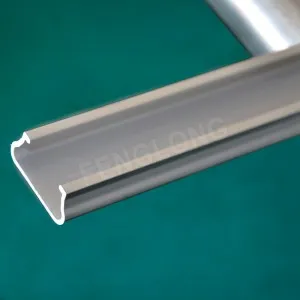
Resumen
La elección de una base de alambre ondulado, o canal de fijación, constituye una decisión fundamental para la construcción y la viabilidad a largo plazo de un invernadero. Este componente, aunque parezca secundario, cumple la función vital de fijar la cubierta del invernadero a su estructura, lo que influye directamente en la integridad de todo el sistema frente a factores ambientales como el viento, la lluvia y la nieve. Una elección inadecuada puede desencadenar una cascada de fallas, lo que provocaría daños costosos en la cubierta y la posible pérdida de cultivos. Este artículo examina los cinco pasos críticos para elegir la base de alambre ondulado adecuada en 2025. Ofrece un análisis detallado de las composiciones de los materiales, como el aluminio y el acero galvanizado, explora los matices del diseño de los perfiles para garantizar la compatibilidad con diversos tipos de láminas y evalúa la profunda influencia de las condiciones climáticas regionales en la longevidad de los materiales. Además, profundiza en las mejores prácticas de instalación y mantenimiento, culminando en un debate sobre la evaluación del costo total de propiedad y la confiabilidad de los proveedores. El objetivo es dotar a los productores, desde aficionados hasta operadores comerciales a gran escala, de los conocimientos necesarios para realizar una inversión informada y estratégica en el sistema de fijación de su invernadero, garantizando así la resiliencia estructural y la tranquilidad operativa.
Puntos clave
- Evalúa minuciosamente el clima de tu zona antes de elegir un material de base.
- Adapta el perfil de la base del cable flexible al grosor específico de tu película o revestimiento.
- Una instalación adecuada, que incluya una separación correcta entre los elementos de fijación, es fundamental para la seguridad.
- Considere el aluminio si busca una mayor durabilidad y resistencia a la corrosión en entornos hostiles.
- Revise periódicamente todo el sistema de fijación para prevenir el desgaste.
- Opte por bases de doble canal cuando planifique la instalación de láminas inflables de doble capa o mallas de sombreo.
Índice
- Paso 1: Evaluación de la composición y la durabilidad de los materiales
- Paso 2: Análisis del diseño del perfil y la compatibilidad
- Paso 3: Evaluación de los factores climáticos y ambientales
- Paso 4: Planificación de la instalación y el mantenimiento
- Paso 5: Tener en cuenta el valor a largo plazo y la fiabilidad del proveedor
- Preguntas frecuentes (FAQ)
- Conclusión
- Referencias
Paso 1: Evaluación de la composición y la durabilidad de los materiales
El camino hacia un invernadero seguro y duradero comienza con una reflexión profunda sobre los materiales con los que se fabrican sus componentes. La base de alambre ondulado no es una excepción; de hecho, su composición material es quizás el factor más importante a la hora de determinar su vida útil y su rendimiento. Imagínela como los cimientos mismos de la fachada de su edificio. Una base débil comprometerá inevitablemente todo lo que se construya sobre ella. Del mismo modo, una base de alambre ondulado que se corroa, se doble o falle hará que incluso la película de polietileno más avanzada resulte inútil. La elección se reduce principalmente a dos materiales: aluminio y acero galvanizado. Cada uno presenta una filosofía diferente en cuanto a inversión, durabilidad y resistencia, y comprender sus propiedades intrínsecas es el primer paso para tomar una decisión acertada.
Aluminio frente a acero galvanizado: una elección fundamental
La elección entre el aluminio y el acero galvanizado no es meramente técnica; refleja la postura del agricultor ante el riesgo, el presupuesto y la planificación a largo plazo. El acero, recubierto de una capa protectora de zinc, ofrece resistencia y un precio de compra inicial más bajo, lo que lo convierte en una opción atractiva para quienes tienen limitaciones presupuestarias inmediatas. El aluminio, por otro lado, tiene un costo inicial más alto, pero promete una resistencia al óxido de por vida y un grado sorprendente de resistencia para su bajo peso.
Consideremos primero el acero. La galvanización es el proceso de aplicar una capa de zinc para evitar la oxidación. Sin embargo, esta capa de zinc es sacrificial. En entornos húmedos, lluviosos o costeros, el zinc se irá corroyendo lentamente, dejando al descubierto, con el tiempo, el acero que hay debajo. Una vez que comienza la oxidación, puede ser agresiva, debilitando el perfil y, lo que es peor, creando superficies abrasivas que pueden rasgar el plástico de su invernadero durante los episodios de viento. La calidad de la galvanización es de suma importancia. La galvanización por inmersión en caliente, que consiste en sumergir el acero en zinc fundido, proporciona un recubrimiento más grueso y duradero que la electrogalvanización, que aplica una capa más delgada mediante un proceso electroquímico (Kinstler, 2021). Por lo tanto, si está considerando el acero, debe preguntar a su proveedor sobre el método específico de galvanización y el espesor del recubrimiento.
El aluminio presenta unas características distintas. Cuando se expone al aire, forma de manera natural una capa pasiva y protectora de óxido de aluminio en su superficie. Esta capa es increíblemente resistente a la corrosión y se regenera al instante si se raya. Por eso es posible ver marcos de ventanas de aluminio con décadas de antigüedad que siguen luciendo impecables. Para un invernadero situado en los trópicos húmedos del sudeste asiático o en el aire salino de la costa de Oriente Medio, esta propiedad no es solo una ventaja, sino una necesidad. Si bien el aluminio es más ligero que el acero, las extrusiones de alta calidad están diseñadas para ofrecer una resistencia excepcional, totalmente capaces de soportar cargas de viento significativas. La ligereza también se traduce en un manejo e instalación más fáciles, lo que puede reducir los costos de mano de obra. La principal barrera es su precio inicial más alto, lo que puede ser un factor disuasivo. Sin embargo, hay que preguntarse: ¿es más sensato pagar menos ahora y reemplazar el componente en cinco a siete años, o invertir más en un componente que puede durar más que el propio marco del invernadero?
| Característica | Base de aluminio de alta calidad | Base estándar de acero galvanizado |
|---|---|---|
| Resistencia a la corrosión | Excelente. Forma de manera natural una capa protectora de óxido. Ideal para zonas húmedas o costeras. | De aceptable a buena. Depende del espesor del recubrimiento de zinc. La capa de sacrificio se va desgastando con el tiempo. |
| Peso | Ligero. Más fácil de manejar, transportar e instalar en la estructura del invernadero. | Pesado. Requiere más esfuerzo para instalarlo y añade más carga muerta a la estructura. |
| Costo inicial | Más alto. Supone una inversión inicial considerable. | Más bajo. Más económico para la fase inicial de construcción. |
| Vida útil | Más de 20 años. A menudo dura varias veces más que el plástico de invernadero. | De 3 a 10 años. Varía mucho según el clima y la calidad del galvanizado. |
| Mantenimiento | Mínimo. Requiere una limpieza ocasional. No se oxida. | Es necesario revisarlo periódicamente para detectar signos de óxido. Es posible que haya que cambiarlo. |
| Abrasión de la película | Baja. Su superficie lisa no daña el plástico del invernadero. | Mayor riesgo. Las manchas de óxido pueden crear puntas afiladas y abrasivas que rompen la película. |
Comprender los calibres y el espesor
La resistencia de un material no depende solo de su tipo, sino también de su cantidad. Al consultar las especificaciones de una base de alambre flexible, encontrarás términos como «calibre» para el acero y «espesor» (a menudo en milímetros o pulgadas) para el aluminio. No se trata de cifras arbitrarias, sino de indicadores directos de la solidez del producto.
En el caso del acero galvanizado, el sistema de calibres puede resultar contradictorio: un número de calibre más bajo indica un acero más grueso y resistente. Por ejemplo, un perfil de acero de calibre 16 es más grueso y duradero que uno de calibre 20. Para un invernadero comercial de gran tamaño situado en una región con fuertes vientos periódicos o carga de nieve, optar por un acero de mayor calibre es una medida prudente. Un acero más delgado y de mayor calibre podría ser suficiente para un pequeño túnel de hobby en un lugar protegido, pero presenta un mayor riesgo de doblarse o deformarse bajo tensión. Esta deformación puede hacer que el perfil pierda su sujeción sobre el alambre ondulado, lo que provocaría un fallo catastrófico de la cubierta.
En el caso del aluminio, la medida es más sencilla: suele indicarse como espesor directo, por ejemplo, 1,5 mm. Al igual que con el acero, cuanto más grueso, mejor. Un perfil de aluminio más grueso tendrá mayor rigidez, resistiendo la flexión durante la instalación y bajo carga. Además, ofrece más material para sujetar con seguridad las roscas de los tornillos de montaje. Al evaluar una base de aluminio con alambre flexible, presta mucha atención al espesor de las paredes y a la solidez general del perfil. Un canal de aluminio que se siente endeble es una señal de alerta, ya que puede haber sido fabricado con un mínimo de material para reducir costos, comprometiendo así su propósito estructural. Si lo pensamos físicamente, la fuerza ejercida por un plástico de invernadero tensado, especialmente cuando es azotado por el viento, es inmensa. Esa fuerza se concentra justo donde el alambre flexible presiona el plástico contra la base. Una base de paredes delgadas simplemente no está preparada para soportar esa presión sostenida durante muchos años.
El papel de los recubrimientos y acabados
Más allá del metal base en sí, el tratamiento de la superficie desempeña un papel protector fundamental. Como se ha mencionado, en el caso del acero, el recubrimiento principal es el zinc. La diferencia entre la galvanización por inmersión en caliente y la electrogalvanización radica en la durabilidad. Los productos galvanizados por inmersión en caliente, que se reconocen por su aspecto a veces cristalino o con motas, presentan una capa de zinc mucho más gruesa y son mucho más adecuados para la exposición prolongada al aire libre (Asociación Estadounidense de Galvanizadores, 2022). El acero electrogalvanizado tiene un aspecto brillante y uniforme, pero una capa de zinc muy delgada que ofrece una protección mínima contra cualquier cosa que vaya más allá de la humedad temporal. Para cualquier aplicación seria en invernaderos, el acero galvanizado por inmersión en caliente debería ser el estándar mínimo si se opta por no utilizar aluminio.
El aluminio, aunque es naturalmente resistente a la corrosión, también puede mejorarse con distintos acabados. El anodizado es un proceso electroquímico que engrosa la capa de óxido natural, aumentando su dureza y resistencia al desgaste. Aunque no es estrictamente necesario para la protección contra la corrosión, puede proporcionar un acabado más uniforme y estéticamente agradable. Un acabado más común y práctico es el recubrimiento en polvo. En este proceso, se aplica un polvo de resina polimérica al aluminio y luego se cura con calor para formar una capa dura y duradera. Este recubrimiento agrega otra capa de protección y permite la coloración, lo cual puede ser útil por razones estéticas o para codificar por colores diferentes partes de una gran operación de invernadero. Un recubrimiento en polvo de calidad resistirá el desconchado y la decoloración, prolongando aún más el aspecto impecable de la base de alambre ondulado y añadiendo una capa de protección marginal, pero no insignificante. Al elegir un proveedor, preguntar sobre sus procesos de recubrimiento puede revelar mucho sobre su compromiso con la calidad. Una empresa que proporciona especificaciones detalladas sobre el espesor de su galvanización o el proceso de recubrimiento en polvo es una que ha tenido en cuenta el rendimiento a largo plazo de sus productos.
Paso 2: Análisis del diseño del perfil y la compatibilidad
Una vez que hayas elegido el material, el siguiente paso es analizar la forma física —el perfil— de la propia base de alambre flexible. No todos los canales son iguales. Su diseño determina cómo interactúan con el alambre flexible, el tipo y la cantidad de capas de recubrimiento que pueden soportar, y el cuidado con el que tratan tu valioso plástico de invernadero. Un perfil bien diseñado es una obra de ingeniería elegante, que maximiza el agarre y minimiza la tensión. Uno mal diseñado puede ser una fuente constante de problemas, desde el deslizamiento del film hasta desgarros prematuros. Es un apretón de manos mecánico entre el marco estático de su invernadero y su revestimiento flexible, y la naturaleza de ese apretón de manos es importante.
Canal simple frente a canal doble (canal en U frente a canal en C)
La decisión de diseño más importante es elegir entre un canal simple o uno doble. Una base para alambre flexible de un solo canal, a menudo denominada «canal en U», cuenta con una ranura diseñada para alojar un solo alambre flexible. Esta es la opción estándar para la mayoría de las aplicaciones en las que se instala una sola capa de película plástica para invernadero. Es sencilla, eficaz y económica. Para muchos productores de climas templados, esto es todo lo que necesitan.
El perfil de doble canal, sin embargo, ofrece una gran versatilidad. Este perfil cuenta con dos ranuras adyacentes, que son básicamente dos canales unidos entre sí. Su aplicación principal es la creación de un techo de película de polietileno de doble capa inflado. En esta configuración, se colocan dos láminas de película para invernadero sobre la estructura, y los bordes de ambas láminas se fijan en los dos canales separados de la base. A continuación, un pequeño ventilador de inflado bombea aire entre las dos capas, creando una capa aislante de aire. Este sistema de «doble pared» mejora drásticamente la retención térmica, reduciendo los costos de calefacción en climas más fríos, como los que se encuentran en algunas partes de Rusia y Sudáfrica (Blom, Straver e Ingratta, 2003). El doble canal es la pieza clave del hardware que hace que esta técnica de ahorro de energía sea posible y sencilla.
La utilidad de un sistema de doble canal no se limita a eso. Imagina que deseas instalar tanto una lámina principal de polietileno como una malla de sombreo exterior para los calurosos meses de verano en Oriente Medio. Con un sistema de doble canal, puedes fijar cada cubierta en su propio riel, lo que permite su instalación, tensado y desmontaje de forma independiente. La misma lógica se aplica a la instalación de una malla contra insectos junto con su película principal. Esta flexibilidad para superponer cubiertas es una herramienta poderosa para gestionar el ambiente del invernadero durante todo el año. Si bien un canal doble tiene un costo inicial más alto y ocupa más espacio, la adaptabilidad que ofrece puede ser invaluable, lo que lo convierte en una inversión inteligente para los productores que prevén la necesidad de modificar su sistema de cubierta en el futuro.
La forma del cierre: cómo se sujeta al cable
Echemos un vistazo más de cerca al canal en sí. La geometría interna de la base del alambre ondulado es un ejemplo de un diseño sutil pero eficaz. El objetivo es crear un canal que sujete firmemente el alambre ondulado, evitando que la lámina se salga, incluso bajo una carga de viento considerable. Sin embargo, debe hacerlo sin crear puntos de presión agudos que puedan dañar la lámina.
Imagina el alambre flexible como un resorte. Cuando lo presionas contra el canal, tiende a expandirse, empujando la película contra las paredes internas de la base. Un canal bien diseñado tendrá bordes interiores lisos y redondeados. A medida que el alambre presiona la película contra estas superficies, la fuerza se distribuye sobre un área más amplia, lo que reduce el riesgo de abrasión o desgarro. Por el contrario, un canal fabricado con metal estampado de poco espesor podría tener bordes afilados, casi como cuchillas. Con el tiempo, a medida que la película se expande y se contrae con los cambios de temperatura y se agita con el viento, estos bordes afilados pueden ir cortando lentamente el material, creando un desgarro justo en el punto de conexión más crítico.
Además, la anchura de la abertura del canal y sus dimensiones internas deben ajustarse con precisión al diámetro del alambre flexible que se utilice. Un canal demasiado ancho no permitirá que el alambre ejerza suficiente presión, lo que provocará una sujeción débil. Es posible que la lámina se mantenga en su sitio en un día tranquilo, pero se salga durante la primera tormenta importante. Un canal demasiado estrecho dificultará enormemente la instalación y ejercerá una tensión excesiva y concentrada sobre la lámina, lo que prácticamente garantizará un fallo prematuro. Los sistemas de alta calidad están diseñados precisamente como eso —un sistema— en el que el alambre ondulado y la base del alambre ondulado están diseñados para funcionar juntos a la perfección. Por eso se recomienda a menudo comprar el alambre y los canales en el mismo proveedor de confianza, como un líder mundial en suministros para invernaderos, para garantizar esta compatibilidad prevista.
Compatibility with Greenhouse Films and Coverings
The final piece of the compatibility puzzle is the covering itself. Greenhouse coverings come in various materials and thicknesses. The most common is polyethylene (poly) film, which is typically 6 mil (150 microns) thick. However, thicker films (8-12 mil) or specialized materials like woven poly or even thin, flexible polycarbonate panels are also used.
The wiggle wire base must be able to securely hold the specified covering. A standard channel is designed around the 6 mil film. When using a much thicker material, or when attempting to secure multiple layers (like a film and a blanket) in a single channel, you can run into problems. The increased thickness may prevent the wiggle wire from seating deep enough into the channel, leading to a tenuous grip.
This is another area where a double channel provides a solution, as it allows layers to be separated. For very thick or rigid coverings, you may need to seek out a specialized, wider channel designed for that purpose. Before purchasing your wiggle wire base, you must have a clear plan for what covering material you will be using, both now and in the future. Discussing your planned film thickness with your supplier is a crucial step. A knowledgeable supplier can confirm whether their standard channel is suitable or recommend a different profile. It is a simple conversation that can prevent a major installation headache and ensure the long-term security of your greenhouse skin.
Paso 3: Evaluación de los factores climáticos y ambientales
A greenhouse is a tool for mediating the environment, but it is not immune to it. The external climate—the wind, the rain, the sun, the salt in the air—is a relentless force acting upon the structure. The wiggle wire base is on the front line of this battle, and its ability to withstand these forces is directly tied to the climate in which it is placed. Choosing the right base requires an honest and thorough assessment of your local environmental conditions. A solution that works perfectly in a calm, dry inland region may fail spectacularly in a windy, coastal one. This is not a step to be overlooked; it is the process of matching the tool to the task at hand.
High Winds and Structural Load
Wind is perhaps the most potent and dynamic force a greenhouse will face. It does not just push on the structure; it creates complex patterns of pressure and suction. As wind flows over the curved surface of a greenhouse roof, it generates lift, similar to an airplane wing. This lifting force pulls upwards on the greenhouse film, trying to rip it away from the frame. All of that force is transferred directly to the wiggle wire and the wiggle wire base.
In regions known for high winds—the coastal plains of South America, the steppes of Russia, or the areas of South Africa prone to strong seasonal gusts—the strength of the fastening system is paramount. In these conditions, several factors become critical. First, the material strength of the base must be sufficient to resist bending or flexing under load. A heavy-gauge steel or a thick-walled aluminum profile is essential. Second, the design of the channel must provide an aggressive, positive lock on the wire. Third, and perhaps most importantly, the installation density must be increased. While a fastener every 60 cm might be adequate in a low-wind area, this should be reduced to 30-40 cm in a high-wind zone, especially along the leading edges and over the arch of the roof where lift forces are greatest (Sethi, 2009). Every additional screw is another point of defense, distributing the immense load over more of the structure. Ignoring the threat of wind is a gamble that few growers can afford to take.
Humidity, Salinity, and Corrosion
Corrosion is a slow, silent threat. It works away at metal components, gradually weakening them until they fail, often unexpectedly. The two main catalysts for corrosion on a greenhouse are humidity and salt.
Regions with high humidity, such as the tropical climates of Southeast Asia, keep the metal surfaces of a greenhouse constantly moist, creating a perfect environment for rust to form on unprotected or poorly galvanized steel. The choice of an aluminum wiggle wire base in these environments is not just a preference; it is a fundamental requirement for longevity. The natural corrosion resistance of aluminum means it will remain structurally sound for decades, even in constant dampness. A galvanized steel channel, even a good one, will have a finite lifespan as its zinc coating is slowly consumed by the electrochemical process of oxidation.
The threat is magnified exponentially in coastal regions, such as those in the Middle East or along any ocean. Salt spray from the sea settles on the greenhouse structure, and the chloride ions in salt are exceptionally aggressive agents of corrosion. They actively attack and break down the protective zinc layer on galvanized steel, leading to rapid and severe rusting. This is known as galvanic corrosion. In such an environment, a standard galvanized steel wiggle wire base might show signs of failure in as little as one or two years. For any greenhouse located within several kilometers of a coastline, aluminum is the only logical long-term choice. The additional upfront cost is an insurance policy against the certain and rapid degradation that salt-laden air will inflict on steel.
UV Exposure and Temperature Extremes
The sun's influence is twofold. Its ultraviolet (UV) radiation degrades materials, and its heat causes thermal expansion and contraction. While the wiggle wire base itself is largely immune to UV degradation (unlike the film it holds), the constant exposure to sunlight and heat is still a factor to consider.
In hot, sun-drenched climates, the surface of a metal greenhouse can reach very high temperatures. Different materials expand and contract with temperature changes at different rates. Aluminum has a higher coefficient of thermal expansion than steel. This means that over a long, straight run of aluminum wiggle wire base, there will be more movement as it heats up during the day and cools at night. While this is rarely a structural problem for the base itself, this movement can create a slight abrasive action on the greenhouse film held within it. This reinforces the importance of choosing a channel profile with smooth, rounded internal edges to minimize wear and tear on the film over many years of these daily thermal cycles.
For the wiggle wire itself, especially PVC-coated types, intense UV exposure can cause the plastic coating to become brittle and crack over time. When this happens, it can flake off, exposing the steel wire beneath to moisture and rust. A high-quality, UV-stabilized PVC coating is therefore essential for long life. When selecting your system, it is just as important to inquire about the quality of the wire's coating as it is to ask about the base's material. The two components work in tandem, and the failure of one compromises the other.
Paso 4: Planificación de la instalación y el mantenimiento
The finest wiggle wire base in the world will fail if it is installed improperly. The process of attaching the channel to the greenhouse frame and securing the film within it is where the system's potential is either realized or squandered. Proper installation ensures that loads are distributed evenly, that the film is held without damaging stress points, and that the entire assembly is prepared to withstand the elements for years to come. Likewise, a simple and consistent maintenance routine can identify potential problems before they become catastrophic failures, extending the life of your investment and protecting the valuable crops within.
Pre-Drilled vs. Self-Tapping: Installation Ease
The wiggle wire base must be securely fastened to the greenhouse's structural members (the bows, purlins, and hip boards). There are two main approaches to making the holes for these fasteners: using channels that come with pre-drilled holes or drilling your own holes on-site with self-tapping screws.
Pre-drilled channels offer speed and consistency. The holes are perfectly spaced and aligned by the manufacturer, which can save a significant amount of time during the construction of a large greenhouse. It takes the guesswork out of fastener spacing and ensures a professional, uniform look. The downside is a lack of flexibility. If the pre-drilled holes do not align perfectly with your greenhouse's structural members, or if you want to add extra fasteners in a high-stress area, you are forced to drill new holes anyway, defeating the purpose.
Using self-tapping screws with a non-drilled channel provides complete control over fastener placement. You can align the channel exactly where you want it and place screws at whatever interval you deem necessary for your climate and structure. This is the preferred method for custom-built greenhouses or for retrofitting a new fastening system onto an old frame. The most common fastener is a #10 or #12 hex-head self-tapping screw, often with a bonded sealing washer to prevent leaks. The key to this method is taking the time to ensure the channels are installed in a perfectly straight line. A wavy or crooked channel will create uneven tension on the film, leading to wrinkles and potential stress points. For a look into the variety of options available, from pre-drilled to standard profiles, one can explore the different types of wiggle wire channels offered by specialized suppliers.
Fastener Spacing and Best Practices
The spacing of your fasteners is not an arbitrary choice. It is a structural engineering decision. The fasteners are the link that transfers the load from the film, through the base, and into the greenhouse frame. The further apart they are, the more load each individual screw must bear, and the more the channel itself can flex between attachment points.
A general rule of thumb is to place a fastener every 40-60 cm (16-24 inches) on long, straight runs like the baseboards and purlins. However, this spacing should be significantly reduced in high-stress areas. On the curved sections of the bows and on the end walls, where the film is stretched tautly over corners, the spacing should be decreased to 25-30 cm (10-12 inches). In certified high-wind areas, it is wise to use this closer spacing throughout the entire structure. The marginal cost of extra screws is infinitesimal compared to the cost of replacing an entire sheet of film that has been ripped off in a storm.
When installing, ensure the screws are driven in straight and are snug, but not over-tightened. Over-tightening can strip the hole in a wooden frame or even deform the metal channel itself, creating a weak point. Using a drill with a torque-clutch setting is a good way to ensure consistent pressure. The goal is a firm, secure attachment that holds the wiggle wire base flush against the structural frame without any gaps.
Long-Term Maintenance and Inspection
Once your greenhouse is built and the film is installed, the work is not over. A greenhouse is a dynamic structure that requires periodic attention. A simple inspection routine, performed once or twice a year, can save you from major headaches.
What should you look for? Walk the perimeter and the interior of your greenhouse, paying close attention to the wiggle wire channels.
- On galvanized steel bases: Look for any signs of rust. Small spots of surface rust are a warning sign. Areas with deep, flaking rust indicate that the channel has lost significant structural integrity and should be scheduled for replacement. Pay special attention to the bottom channels near the ground, where moisture and debris collect.
- On all bases: Look for any channels that have become bent or deformed, either from impact or from wind load. A bent channel will not hold the film correctly. Check that all screws are still tight. The constant vibration from wind can sometimes cause screws to back out slightly over time.
- On the film and wire: Inspect the point where the film enters the channel. Look for any small tears or signs of abrasion. Check the wiggle wires to ensure they are still fully seated in the channel and have not popped out in any sections. Make sure any PVC coating on the wires is still intact and not cracked or peeling.
Catching a small problem, like a single loose screw or a small spot of rust, allows you to fix it easily and cheaply. Ignoring it can allow it to develop into a major point of failure that gives way during the next weather event. This proactive approach to maintenance is a core principle of successful and sustainable greenhouse management (University of Massachusetts Amherst, 2017).
Paso 5: Tener en cuenta el valor a largo plazo y la fiabilidad del proveedor
The final step in your selection process transcends the physical object and moves into the realm of economics and relationships. The true cost of a wiggle wire base is not its price tag. The true cost includes its lifespan, the labor to install and replace it, and the potential economic damage if it fails. This is the total cost of ownership. Equally important is the source of the component. Partnering with a reliable, knowledgeable, and reputable supplier is not just a transaction; it is a strategic decision that ensures quality, consistency, and support for the life of your greenhouse.
Calculating the Total Cost of Ownership
It is tempting to simply choose the cheapest option available. However, this often proves to be a false economy. To understand the real cost, one must think like an accountant and consider the component's entire lifecycle. Let us imagine two scenarios for a 300-foot-long greenhouse requiring 1,000 feet of wiggle wire base.
| Factor de costo | Scenario A: Premium Aluminum Base | Scenario B: Economy Galvanized Steel Base |
|---|---|---|
| Costo inicial de compra | $2.50 per foot x 1000 ft = $2,500 | $1.00 per foot x 1000 ft = $1,000 |
| Esperanza de vida | Más de 20 años | 5 years (in a moderately humid climate) |
| Replacement Cycles (over 20 years) | 0 | 3 (at year 5, 10, 15) |
| Cost of Replacement Base | $0 | 3 x $1,000 = $3,000 (assuming no price increase) |
| Labor for Replacement | $0 | 3 cycles x 16 hours x $25/hr = $1,200 |
| Risk of Film Damage/Crop Loss | Very Low | Moderate to High (increases as base ages) |
| Total Cost over 20 Years | $2,500 | $5,200+ (excluding potential crop loss) |
As the table clearly demonstrates, the initially more expensive aluminum wiggle wire base is, by a significant margin, the more economical choice over the long term. The "savings" from the cheaper steel option are completely erased by the repeated costs of replacement materials and labor. This calculation does not even attempt to quantify the largest potential cost: a system failure during a storm that destroys a high-value crop just before harvest. When viewed through this lens, investing in quality, durable components is one of the most financially sound decisions a grower can make.
The Importance of a Reputable Supplier
Your supplier is your partner in building a successful greenhouse. A reputable supplier does more than just sell a product; they provide a guarantee of quality and a source of expertise. What defines a reputable supplier?
- Transparency: They provide clear, detailed specifications for their products. They can tell you the exact alloy of aluminum they use, the thickness of their galvanization, the UV-stabilizer package in their wiggle wire coating, and the engineering principles behind their channel design.
- Consistencia: When you order from them today and again in three years, you receive the exact same quality of product. They have robust quality control measures in place to ensure every batch meets their standards. This is crucial for repairs and expansions.
- Experience: They have a proven track record in the industry. A company with a long history has likely seen its products perform in a wide variety of climates and applications. Learning about a supplier's mission and experience, such as by exploring their 'Quiénes somos' page, can provide valuable confidence in their standing and commitment.
- Support: They can answer your questions. If you are unsure whether to choose a single or double channel, or what fastener spacing to use for your region, their team should be able to provide knowledgeable advice based on experience.
A cheap, anonymous product from an online marketplace may seem like a bargain, but it comes with none of this assurance. You do not know the material quality, you have no guarantee of consistency, and there is no one to call when you have a problem. Choosing to source your critical components from a dedicated and established greenhouse supply company is an investment in reliability and peace of mind.
Warranties and Guarantees: Your Safety Net
A warranty is a formal expression of a company's confidence in its own product. For a component like a wiggle wire base, a warranty will typically cover defects in materials and manufacturing. For example, if a batch of galvanized steel was improperly coated and begins to rust within the first year, a warranty should cover its replacement.
When evaluating a warranty, read the fine print. What is the duration of the warranty? For a galvanized steel base, a 3- to 5-year pro-rated warranty is common. For a high-quality aluminum base, you might see warranties of 10 years or even longer against corrosion. What does the warranty cover—just the replacement part, or also the shipping or labor? Are there exclusions? For instance, most warranties will be voided if the product is installed improperly or used in an application for which it was not designed.
While a warranty is a valuable safety net, it should be seen as a backstop, not the primary reason for your choice. It is far better to choose a high-quality product that will never need a warranty claim than a lesser product with a good warranty. The best guarantee of performance comes from selecting the right material and design from a trustworthy Wiggle Wires company in the first place, ensuring your greenhouse is built on a foundation of quality from the very start.
Preguntas frecuentes (FAQ)
What is the primary cause of greenhouse film tearing at the wiggle wire base?
The most common cause is abrasion. This can happen if the channel has sharp interior edges from low-quality manufacturing. It can also occur if the channel is made from galvanized steel that has started to rust, creating a rough, sandpaper-like surface that grinds against the film with every gust of wind. Using a smooth aluminum channel or ensuring your steel channel is rust-free is the best prevention.
Can I install a wiggle wire base on a wooden greenhouse frame?
Yes, absolutely. Wiggle wire systems are an excellent choice for wooden frames. You will use wood screws instead of self-tapping metal screws. It is important to ensure the wood is sound and not rotted. Using a sealing washer under the screw head is also a good practice to prevent water from seeping into the wood through the screw hole.
How do I install two layers of film for an inflation system using a double channel?
Lay both sheets of film over the greenhouse frame with the desired overlap. At the double channel, place the first sheet over both channels. Install the first wiggle wire into the outer channel, securing the first sheet. Then, fold the second sheet back over the first wire, and install the second wiggle wire into the inner channel, securing the second sheet. This creates two separate, airtight seals and leaves a space between the films for your inflation fan.
Is it possible to reuse wiggle wires and the base channel?
High-quality wiggle wires and aluminum bases can often be reused multiple times. PVC-coated wires are more durable for re-use than bare spring wire. When removing the wire, try to pull it out straight rather than bending it excessively. Aluminum channels are very durable and can be reused as long as they are not bent or damaged. Galvanized steel channels can be reused if they are free from rust, but their lifespan is finite.
How tight should the wiggle wire feel after installation?
The wiggle wire should be snug and firmly seated in the channel. You should not be able to easily pull it out with your fingers. However, it should not be so tight that it was excessively difficult to install. The "wiggling" motion during installation is key. It allows the wire to find its place in the channel without placing a massive, sheer force on the film. A properly installed wire will hold the film taut but not over-stretched.
What is the best tool for cutting a wiggle wire base to the correct length?
For both aluminum and galvanized steel channels, the best tool is a power miter saw equipped with a blade designed for cutting non-ferrous metals (for aluminum) or a metal-cutting abrasive blade (for steel). This will produce a clean, square cut. A hacksaw can also be used, but it is more labor-intensive and difficult to get a perfectly straight cut. Always wear safety glasses when cutting metal.
My galvanized steel base is rusting after only two years. Why did this happen?
This is likely due to one of two reasons. First, you may be in a high-humidity or coastal environment where the salt in the air has aggressively corroded the zinc coating. Second, the product may have been of low quality, likely an electro-galvanized or thinly coated steel that offered minimal protection. Scratches during installation can also create points where rust can begin. This is a classic example of why aluminum is a superior long-term investment in many climates.
Conclusión
The selection of a wiggle wire base is a decision that resonates through the entire life of a greenhouse. It is an act of foresight, balancing immediate cost against long-term security and peace of mind. By methodically progressing through the five essential steps—evaluating materials, analyzing profiles, assessing the climate, planning for installation, and considering the total value—a grower can move beyond a simple purchase and make a strategic investment. The integrity of the structure, the safety of the crop, and the efficiency of the operation all hinge on this single, vital connection point. A strong, well-chosen wiggle wire base does its job silently, holding fast against the storm so that the delicate and vital work of cultivation can flourish within. It is the quiet guardian of the controlled environment, and choosing it wisely is one of the most fundamental acts of successful greenhouse management.
Referencias
American Galvanizers Association. (2022). Hot-dip galvanizing for corrosion protection. American Galvanizers Association.
Blom, T. J., Straver, W. A., & Ingratta, F. J. (2003). Energy conservation in greenhouses. Ontario Ministry of Agriculture, Food and Rural Affairs. https://atrium.uoguelph.ca/xmlui/bitstream/handle/10214/25528/2003-Energy-conservation-in-greenhouses.pdf
Kinstler, T. (2021). The difference between hot dip galvanizing and electro-galvanizing. AZZ Inc.
Sethi, V. P. (2009). On the estimation of wind effects on greenhouse structures. Journal of Wind Engineering and Industrial Aerodynamics, 97(1), 49-60.
University of Massachusetts Amherst. (2017). Greenhouse management. UMass Extension.