
.png)




2025年のための6ステップ・エキスパートガイド:ウィグル・ワイヤー・チャンネルをグローワーズ・ソリューションに取り付ける方法
12月 8, 2025
要旨
ウィグル・ワイヤー・ロック・チャンネル・システムは、現代の温室建設における極めて重要な技術要素であり、ポリエチレンフィルムや代替被覆材を温室の骨組みに固定するための、安全かつ極めて効率的な手段を提供する。このシステムは、アルミニウムまたは亜鉛メッキスチール製の堅牢なベースチャンネルと、バネのようなスチールワイヤーから構成されています。#39;システムの有効性は、これらの部品間の機械的相互作用から発せられ、パンクを与えることなく、被覆材に連続的な高摩擦グリップを発生させる。このメカニズムにより、耐候性の高い密閉性が確保され、強風、集中豪雨、気温の大幅な変化といった悪条件から作物を守ることができる。素材の選択、特にPVC被覆鋼線と裸の亜鉛メッキ鋼線の選択は、温室用フィルムの寿命に大きく影響します。特に薄いフィルムの場合、コーティングされたワイヤーの方が摩耗に対する保護が優れています。綿密なフレーム準備、正確なチャンネルアライメント、正しいワイヤー挿入技術など、設置プロセスにおける適切な方法論は、世界中の多様な気候においてシステムの性能と耐久性を最大限に引き出すために最も重要である。
要点
- Wiggle Wire ChannelsをGrowers Solutionに適切に取り付けることで、耐候性に優れた確実なシールが実現します。
- 磨耗を防ぎ、使用寿命を延ばすために、より薄いフィルムにはPVC被覆ワイヤーを選択する。
- 優れた強度を実現するため、太く編まれたプラスチックには亜鉛メッキ鋼線を選択する。
- 温室用フィルムは、最適な張りを持続させるために、暖かく穏やかな日に施工する。
- 強風に耐えられるよう、チャンネルがフレームにしっかりと固定されていることを確認してください。
- 作物の保護を保証するために、システムに摩耗の兆候がないか定期的に点検する。
- 高品質の換気システムと組み合わせることで、総合的な環境制御が可能になります。
目次
- ウィグルワイヤーロックチャンネルシステムを理解する:基礎的な概要
- ステップ1:綿密な計画と素材の選択
- ステップ2:温室フレームの設置準備
- ステップ3:ロック・チャンネルの取り付け方
- ステップ4:温室用ポリエチレンフィルムの被覆と位置決め
- ステップ5:ウィグル・ワイヤーの挿入テクニックをマスターする
- ステップ6:最終検査、調整、長期メンテナンス
- 他の温室コンポーネントとのシステムの統合
- よくある質問(FAQ)
- 結論
- 参考文献
ウィグルワイヤーロックチャンネルシステムを理解する:基礎的な概要
温室の構造的完全性は、その骨組みの単純な機能ではなく、その保護スキンの取り付け方法によって大きく左右される。この被覆は、多くの場合、温室用ポリエチレンフィルムであり、意図的に栽培された内部環境と、しばしば気まぐれな外の気候を隔てる主要な障壁となる。ウィグル・ワイヤー・ロック・チャンネル・システムは、単なる部品としてではなく、この重要な任務を達成するためのエレガントで極めて効果的な哲学として、この文脈で登場する。その有用性を真に理解するには、まずシステムを構成要素に分解し、その機能を支配する物理的原理を理解しなければならない。このシステムは、特に南アフリカの高地帯の突風からロシアの冬の豪雪まで、厳しい天候と戦わなければならない地域において、信頼性、使いやすさ、そして深い強度が強く求められることから生まれたものである。
フレームに張られた広大なビニールシートに働く力について考えてみよう。風はフィルムを押し付ける正圧だけでなく、フィルムを引き離そうとする強力な負圧(吸引力)を発生させる。雨や雪は大きな重さとなり、素材に負担をかける下向きの力を生み出す。太陽の熱はフィルムを膨張させ、夜や冬の寒さはフィルムを収縮させる。ファスナー・システムは、一度だけでなく、毎日毎日、これらすべての動的な力と格闘しなければならない。単純なステープルや木製バテンを使用する古い方法では、局所的なストレスポイントが生じ、決定的なことにフィルムに穴を開けてしまう。これらの穴は固有の弱点となり、しばしば暴風雨の最初の故障点となる。これとは対照的に、ウィグル・ワイヤー・ロック・チャンネルは、チャネルの全長にわたって荷重を均等に分散します。デリケートなフィルムに優しく、かつ非常に粘り強い連続的なグリップを作り出します。
システムの解剖学チャンネル対ワイヤー
その核となるのは、ロック・チャンネルとウィグル・ワイヤーという、2つの異なる、しかし切り離すことのできないコンポーネントの二重奏である。
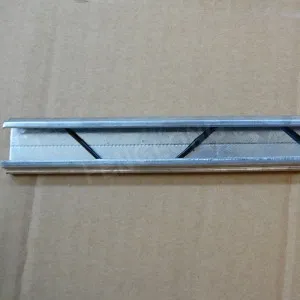
チャネルは、しばしばUチャネルまたはベースチャネルと呼ばれ、システムの静止した基礎要素です。押し出し成型された金属の長さで、アルミニウムや亜鉛メッキ鋼が一般的です。このプロファイルは単純な「U」ではなく、対応するウィグル・ワイヤーを受け止め、確実に保持するように設計された内部カーブやリップがあり、注意深く設計されています。専門のサプライヤーが指摘するように、高品質のチャンネルには、セルフドリリングねじをガイドする中央の溝などの機能が組み込まれていることが多い。 wigglewires.com.チャンネルは、温室のフレーム(腰板、幅木、プラスチックフィルムの終端が必要な端壁フレーム)に直接ネジで固定します。これは、フィルムとワイヤーをセットする永久的なトラックを形成します。
ウィグル・ワイヤーはスプリング・ワイヤーやジグザグ・ワイヤーとしても知られ、アクティブでダイナミックな部品である。連続的なジグザグ・パターンに曲げられた高張力スプリング・スチールです。このワイヤーが、このシステムの名前の由来であり、ユニークで効果的な機能性でもある。温室用フィルムがチャンネルの上に敷かれると、ウィグル・ワイヤーがフィルムの上からチャンネルに押し込まれる。ワイヤーが本来持っているバネのような性質によって外側に膨らみ、フィルムをチャンネルの内壁に押し付ける。この "くねくね "が交互に複数の接触点を生み出し、巨大な摩擦を発生させてフィルムをしっかりと固定する。ポリエチレン・フィルムと遮光布のような複数の素材を、まったく同じチャンネルに固定することができるのだ。
材料科学:アルミニウムとスチールが支配的な理由
ウィグル・ワイヤー・ロック・チャンネル・システムに使用する材料の選択は、恣意的なものではなく、農業環境の厳しい現実に根ざした熟慮された決定です。耐久性、耐腐食性、生強度が、これらの部品に求められる第一の美点です。
チャンネルは、アルミニウムか亜鉛メッキ鋼のどちらかから作られるのが一般的だ。アルミニウムは軽量で、錆や腐食に非常に強く、切断や穴あけが容易である。特に、塩水噴霧が常に腐食の脅威となる東南アジアの湿度の高い気候や南米の沿岸地域では、その固有の長寿命が高級な選択肢となります。亜鉛めっき鋼板は、鋼鉄に亜鉛の保護層をコーティングしたもので、より経済的でありながら、優れた強度と高度な耐食性を備えています。亜鉛メッキ処理は犠牲バリアとして機能し、下地の鋼鉄を錆から保護しますが、コーティングに深い傷がついたり、不適切に取り扱われたりすると、この保護が損なわれる可能性があります。大半の用途では、どちらの素材も優れた性能を発揮しますが、最終的な選択は、予算と特定の環境問題のバランスで決まることがよくあります。
ウィグル・ワイヤー自体は高張力スプリング・スチールから作られています。この特殊な合金により、設置中にたわみ、その後スプリングバックして、チャンネル内に一定の揺るぎない圧力をかけることができるのです。ウィグル・ワイヤーの最も重要な違いは、そのコーティングにあります。
| ワイヤータイプ | 主要素材 | コーティング | ベスト・ユースケース | 主な利点 | 主な検討事項 |
|---|---|---|---|---|---|
| PVC被覆ウィグル・ワイヤー | 高張力鋼板 | ポリ塩化ビニル(PVC) | より薄いフィルム(例:6ミル)、単層アプリケーション、高価値作物 | 摩擦と磨耗を減らし、フィルムの寿命と透明度を長持ちさせる。 | コーティングは、強い紫外線に長年さらされると劣化する可能性がある。 |
| 亜鉛メッキ・ウィグル・ワイヤー | 高張力鋼板 | 亜鉛(亜鉛メッキ) | 厚いプラスチック織物(例:9-12 mil)、高ストレス領域、低予算用途 | 強度と耐久性に優れ、イニシャルコストが低い。 | プラスチックに対しては粗くなり、薄膜の早期摩耗を引き起こす可能性がある。 |
に詳しい。 実践的バイヤーガイドこの選択は、大きなトレードオフを意味する。PVCコーティングされたくねくねワイヤーは、温室用フィルムに対してより滑らかで優しい。プラスチック・コーティングはソフトな緩衝材の役割を果たし、日々の温度サイクルによるフィルムの膨張・収縮に伴う摩擦や摩耗を軽減します。このようなサイクルを何千回と繰り返すうちに、コーティングされていない粗いワイヤーによる摩擦が徐々にフィルムを摩耗させ、微細な傷ができて弱点になることがあります。滑らかなPVC表面はこの磨耗を軽減し、標準的な6ミルの温室用ポリエチレンフィルムの寿命を大幅に延ばす(Giacomelli & Roberts, 1993)。したがって、ほとんどの標準的な単層温室用途、特に中東の多くの地域で見られるような日中の温度変化が大きい気候では、コーティング・ワイヤーは優れた長期投資となる。
しかし、コーティングされていない亜鉛メッキ・ワイヤーの方が望ましい状況もある。非常に耐久性が高く、厚い(9ミル以上)ポリエチレン織布フィルムを使用する場合、素材自体の耐摩耗性がはるかに高くなります。このような場合、把持強度のわずかな向上と亜鉛メッキ・ワイヤーの低コストにより、より理にかなった選択となります。また、金属とタフ・プラスチックが直接接触することで、わずかに攻撃的なグリップが得られるため、最大限の強度が絶対的な優先事項である用途でも好まれます。思慮深い栽培者は、ワイヤーのコストと、それを固定するためのフィルムのコストと寿命を比較検討しなければならない。多くの場合、より高価で手間のかかるフィルムを保護する方が、経済的にも農業的にも賢明な判断となる。
確実なグリップの物理学:その仕組み
ウィグル・ワイヤー・ロック・チャネルの真の天才は、基礎物理学をエレガントかつ効果的に応用した点にある。このシステムは、紫外線にさらされると故障する可能性のある化学接着剤や、固有の弱点を生み出すパンクチャーには頼らない。その代わりに、摩擦と分散圧力に完全に依存している。
ウィグル・ワイヤーがフィルム上の溝に押し込まれると、様々な力が作用する。まず、スプリング・スチール製のワイヤーは、自然に元の広い形状に膨張しようとします。この膨張は、チャンネルの壁に対して一定の外向きの力を及ぼす。第二に、ワイヤーのジグザグ模様が、交互に連続する圧力ポイントを作り出す。それぞれの "くねくね "の頂点がフィルムをチャンネルの片側にしっかりと押し付け、次の "くねくね "の谷がフィルムを反対側にしっかりと押し付ける。
この交互の圧力が蛇行した蛇行経路を作り出し、フィルムを効果的に閉じ込める。フィルムを引き抜くには、水路の1メートルごとに数十カ所で発生する膨大な累積摩擦に打ち勝たなければならない。これはホッチキスや釘とは根本的に異なる点で、突風の全力が単一の小さな侵入点に集中する。ウィグル・ワイヤー・システムでは、同じ風力が設置場所の全長にわたって分散されるため、一点に過度のストレスがかかることはありません。この力の分散が、破れを防ぎ、洗練されていない方法で取り付けられたフィルムが千切れてしまうような突風にも耐えうることを保証しているのです。その結果、非常に強いだけでなく、完全にリバーシブルで、必要なときにフィルムを簡単に取り外して張り直すことができる固定システムが完成したのです。
ステップ1:綿密な計画と素材の選択
ウィグルワイヤーロックチャンネルシステムの成功は、ドリルやハンマーではなく、静かな熟考と入念な計画から始まります。温室プロジェクトの具体的なニーズと適切な資材を熟考してマッチングさせるこの初期段階こそが、長持ちする構造物の真の基礎となるのです。ここでの選択を誤ると、温室のカバーが早期に破損し、作物が失われる可能性があり、高価な交換の必要性に苛まれることになるからです。このプロセスでは、構造物、その意図する目的、そしてそれが耐えなければならない気候の現実を総合的に評価することが求められます。
温室の構造と気候の評価
プランニングの最初の行為は、温室のフレームそのものを綿密に、そして批判的に検討することである。木製か、スチール製か、アルミ製か。フレームの性質は、ロックチャンネルの取り付けに使用するファスナーの選択に直接影響します。外周の幅木、屋根ラインに沿った腰板、ドア、通気口、端壁周辺のフレームなど、フィルムを固定しなければならない場所を正確に特定する必要があります。温室用ポリエチレン・フィルムの終端部はすべて、ウィグル・ワイヤー・ロック・チャンネルの候補となります。
同時に、ほぼ気象学的な観点から、その土地の気候も考慮しなければならない。中東や南米の強烈な日差しが照りつける地域の生産者にとっては、フィルムやPVCコーティングなどのプラスチック部品の劣化を早める可能性のある極端な紫外線と高温が最大の懸念事項かもしれない。この場合、高品質の紫外線安定フィルムと、放熱性と耐食性に優れたアルミニウム製チャンネルを選択するのが賢明でしょう。ロシアなど積雪の多い地域の栽培農家にとって、最大の関心事は重量である。重く湿った雪が積もった状態でも、垂れ下がったり破れたりすることなく、しっかりとフィルムを保持できるような頑丈なシステムでなければならない。そのため、より丈夫で厚いフィルムを選び、荷重を効果的に分散させるために、ロック・チャンネルを非常に近い間隔(おそらく12インチ(30cm)ごと)で固定することになるかもしれない。南アフリカ沿岸部やアルゼンチンの広大な平原など風の強い地域では、風による隆起が最大の敵となる。ここでは、ウィグル・ワイヤー・ロック・チャンネル・システム全体の完全性が試され、チャンネルをフレームに確実に取り付けることが最も重要です。
正しいウィグル・ワイヤーの選択コーティングと非コーティング
構造的、気候的な背景を明確に理解した上で、次に検討するのはウィグル・ワイヤーそのものの選択である。前述したように、主にPVC被覆ワイヤーと裸の亜鉛メッキ鋼線のどちらかを選択することになります。これはどちらが普遍的に優れているかという問題ではなく、特定の用途にどちらが適しているかという問題である。これは、関係する素材についての微妙な理解を必要とする決定である。
コア・トレードオフについてもう一度考えてみよう。PVCコーティングは、温室用フィルムを摩耗から守る犠牲的で平滑な層を提供する。日々の温度サイクルによってフィルムが膨張・収縮する際、フィルムはワイヤーと擦れます。このようなサイクルを何千回と繰り返すうちに、粗くコーティングされていないワイヤーによる摩擦でフィルムが徐々に摩耗し、弱い部分ができてしまいます。滑らかなPVC表面はこの摩耗を軽減し、標準的な6ミルのポリフィルムの寿命を大幅に延ばします(Sanford, 2011)。したがって、ほとんどの標準的な単層温室用途、特に温度変化の大きい気候では、コーティング・ワイヤーは、システム全体の健全性を保つための長期的な投資として優れている。
しかし、非コーティングの亜鉛メッキワイヤーがより合理的な選択となる状況もある。非常に耐久性が高く、厚い(9ミル以上)ポリエチレン織布フィルムを使用する場合、素材自体の耐摩耗性がはるかに高くなります。このような場合、把持強度のわずかな向上と亜鉛メッキワイヤーの低コストにより、より論理的な選択肢となります。また、金属と金属が直接接触する(または金属とタフプラスチックが直接接触する)ことで、わずかに攻撃的なグリップが得られるため、最大限の強度が絶対的な優先事項である用途でも好まれます。思慮深い生産者は、ワイヤーのコストと、それが固定するためのフィルムのコストと寿命を天秤にかけなければならない。ほとんどの場合、より高価で手間のかかるフィルムを保護する方が、経済的に賢明な判断となる。
適切なロック・チャンネル・プロファイルの選択
ほとんどのロック・チャンネルは、一見すると似ているように見えるが、そのデザインや材質の微妙な違いが、性能や寿命に大きな影響を与えることがある。主な素材は、アルミと亜鉛メッキ鋼の2種類です。どちらを選ぶかは、計画段階でのもうひとつの重要な決定ポイントです。
| 特徴 | アルミニウム・ロック・チャンネル | 亜鉛めっきスチール・ロック・チャンネル |
|---|---|---|
| 耐食性 | 自然に保護酸化被膜を形成する。湿度の高い地域や沿岸部に最適。 | 良い。深い傷によって損なわれる可能性のある亜鉛コーティングに依存している。 |
| 重量 | 軽量で、特に長距離走行や頭上への設置が容易。 | 重い。頑丈さは感じられるが、取り付けが面倒になる可能性がある。 |
| コスト | 一般的にイニシャルコストは高い。 | より経済的で、大規模なプロジェクトや予算重視のプロジェクトによく選ばれる。 |
| 熱伝導率 | 高い。熱を素早く放散するので、暑い気候ではちょっとした利点になる。 | アルミニウムよりも保温性が高いが、ほとんどの場合、その差はわずかである。 |
| インストール | 金属は柔らかく、穴あけや切断が容易で、より寛容である。 | より硬い金属を使用するため、ドリルで穴を開けたり切断したりするためには、より多くの労力と優れた工具が必要となる。 |
素材だけでなく、チャンネル自体の形状も異なります。チャンネルによっては、フィルムやシェードクロスを何層にも重ねやすいように、幅を少し広く設計しているものもあります。また、断熱性を高めるためにポリの空気層を二重にする必要がある場合に最適な、二重ハンプのデザインで、2つの独立したチャンネルを横に並べたものもあります。チャンネルを選ぶ際は、以下のような信頼できる業者から調達するのが賢明です。 総合的な製品ラインアップ 標準的なウィグル・ワイヤーとシームレスに動作するように設計され、高品質で適切に処理された材料から作られていることを確認するために、専門小売店から入手できます。プロファイルは、フィルムとの鋭利な接触点を作らないよう、内部エッジが滑らかであるべきです。
材料量の計算:実践ガイド
プランニングの最終段階は、シンプルだが重要な測定と計算の練習である。プロジェクトに必要なチャンネルとワイヤーの総延長距離を計算しなければならない。そのためには、フィルムの終端となるすべての面を測定する必要がある。メジャーを使って、両方の幅木、両方の腰板(またはトンネルのフープの全長)、端の壁の全周の長さを注意深く測ります。ドアや換気口の周りの枠を考慮することを忘れない。これらの数値を合計して、全長を求めます。
総面積が決まったら、5-10%のコンティンジェンシーを注文に追加するのがベスト・プラクティスです。この余分な材料は、計算ミスや切断の失敗、輸送中や設置中に破損する可能性のある部分に対応するものです。少量の追加注文が届くのを待つためにプロジェクト全体を途中で中断するよりも、少量の材料が余っている方が、混乱もコストもはるかに少なくて済みます。
ウィグルワイヤーは通常、特定の長さ(例えば、6フィートまたは2メートルのセクション)で販売されています。ロック・チャンネルも標準的な長さで販売されています(6.5フィート、10フィート、2メートルのセクションなど)。どちらも同じ長さが必要です。留め具については、チャンネルの長さ方向に18~24インチ(45~60cm)ごとにビスを打つのが確実な目安です。風の強い場所では、この間隔を30cmに縮めると、より確実で強固な取り付けが可能になります。チャンネルの全長をインチ単位で計算し、選択した間隔で割って、必要なネジの数を決めます。このように慎重に計算することで、設置の日が来たときに、作業を中断することなく、効率的に作業を完了するために必要なものがすべて揃っていることを保証します。
ステップ2:温室フレームの設置準備
資材の選定と数量の確認が終わると、焦点は計画という抽象的な領域から、準備という具体的で満足のいく作業へと移る。最終的な施工の質(農作物と雹の間に立ちはだかるもの)は、この段階で投入された注意と細部へのこだわりに正比例する。きれいで、滑らかで、適切にマーキングされたフレームは、耐久性があり、耐候性のあるシールが構築されるための不可欠な基盤です。この準備作業により、ウィグルワイヤーロックチャンネルが平らに、正確に、確実に設置され、妥協することなくその重要な機能を果たすことができるのです。
表面クリーニングと検査
最初の仕事は、チャンネルを取り付ける温室フレームの表面を完璧にきれいにし、ゴミがないことを確認することです。これは、腰板、幅木、端壁フレームにも当てはまります。時間の経過とともに、これらの表面には汚れ、おがくず、古いペンキのしずく、釘の頭の出っ張り、さらにはカビなどが蓄積する可能性があります。このような出っ張りは、どんなに小さくても、ロック・チャンネルがフレームに対して完全に平らになるのを妨げます。平らでないチャンネルは隙間ができ、不均一な応力を受ける可能性があります。
硬めのブラシか布で、すべての取り付け面を力強く拭き取る。木製のフレームの場合は、腐りや割れ、虫食いなどの兆候がないか点検する絶好の機会でもある。柔らかく腐った木に打ったスクリューは、ほとんど固定力がなく、故障の原因になります。木材が損傷している部分は、修理するか、交換してから作業を進めるべきである。金属フレームの場合は、取り付け部分の構造的完全性を損なうような大きな錆や腐食がないかチェックする。粗い箇所や溶接ビードを軽くサンディングすることで、チャンネルのより滑らかで均一な表面を作ることができる。この簡単な清掃と点検は、システムの長期的な信頼性と耐候性において、わずかな時間の投資で莫大な利益をもたらします。
高精度のマーキングとアライメント
正確さがこのステップの原則です。ウィグル・ワイヤー・ロック・チャンネルを正しく機能させるためには、まっすぐ連続したラインに設置する必要があります。チャンネルが波打っていたり、ずれていたりすると、見た目がプロらしくないだけでなく、より重大なこととして、温室用フィルムに不均一な張力が生じます。その結果、シワができ、水が溜まったり、強風で破れやすくなったりします。
この作業に最も効果的な道具はチョークラインだ。幅木や腰板のような長くまっすぐな部分には、チョークラインが完璧で明確なガイドとなる。チョークラインの一端を走り始めに鋲で留め、もう一端までピンと伸ばしてフレームにパチンと止めるだけだ。こうすることで、くっきりとした完璧な直線が残る。アーチや複雑なカーブが多い端の壁の場合、この作業にはより注意が必要です。柔軟性のあるメジャーを使い、カーブに沿ってチャンネルを配置するガイドとなる印を何度もつける必要があるかもしれません。目標は、ギザギザの直線ではなく、滑らかで公正な曲線を作ることです。
マーキングの際は、温室用ポリエチレンフィルムの最終経路をイメージしてください。ポリエチレンフィルムがフレーム部材のエッジを越えて溝内にスムーズに巻き込まれるように、溝を配置する必要があります。例えば、腰板の場合、チャンネルは一般的に上部または外側の面に取り付け、屋根のプラスチックが上に垂れて固定できるようにします。野地板の場合は、外側の面に取り付けます。フィルムがどのようにチャンネルに入るか、その形状をよく考えておくことで、後で悔しい失敗をしたり、穴を開け直したりする必要がなくなります。
プレドリル:正確さと容易さのためのステップ
最近のセルフ・タッピング・スクリューの多くは、木材や軽量鉄骨に直接打てるように設計されているが、ロック・チャンネル・ファスナー用の穴をあらかじめ開けておくことは、いくつかの説得力のある理由から強く推奨されている。プロの職人技の証です。
第一に、事前穴あけは最大限の精度を保証する。ドリル・ビットの先端を印のついたチョーク・ライン上に正確に置くことは、同じライン上でねじを打ち始めるよりもはるかに簡単です。ネジは、特に硬い表面では、材料に食い込み始めると「歩く」、またはほんのわずかなインチをさまよう傾向があります。下穴をあけることで、ネジが意図した場所に正確に入り、溝がガイドと完全に一致することが保証されます。
第二に、下穴を開けることで木材が割れるのを防ぐことができる。これは、木製のフレームを扱い、板の端に近いところにネジを取り付ける場合に特に重要です。下穴を開けずに大口径のビスを打つと、木の繊維が無理に引き離され、割れが生じて接続が極端に弱くなることがある。下穴をあけることで、外側に過度な圧力をかけることなく、ネジ山をかみ合わせることができます。下穴は、ネジの軸(ネジ山ではない)の直径よりもわずかに小さくし、しっかりと固定できるようにします。
第三に、金属フレームの場合、下穴あけは推奨されるだけでなく、絶対に必要な場合が多い。セルフ・タッピング・スクリューは細い鋼材には対応できるが、太い鋼管やアングル・アイアンに打ち込むと、苦戦したり、焼き切れたり、折れたりする。金属用に特別に設計されたビットで下穴を開けると、ネジを打つプロセスが大幅に速く、より少ない負担になり、それはネジとドリルの両方の摩耗や損傷を軽減します。この小さな一手間を加えることで、チャネルの取り付けは、イライラする可能性のある作業から、スムーズで正確かつ効率的な作業に変わります。
ステップ3:ロック・チャンネルの取り付け方
ロック・チャンネルの取り付けは、システムが温室構造に物理的な形を与え始める瞬間である。強度と精度の両方が要求される作業です。チャネルの各セクションはしっかりと固定され、次のセクションと完璧に位置合わせされ、フレームの輪郭をスムーズに移動しなければなりません。これが固定システムの骨格であり、その強度がシステム全体の自然の力に対する抵抗力を決定するのです。
ファスナーの選択耐久性のためのねじ
ファスナーの選択は重要な決断です。釘やステープルは手っ取り早い選択肢のように思われるかもしれませんが、この用途に必要な保持力と寿命には欠けます。ウィグル・ワイヤー・ロック・チャンネルの設置に最適なのは、言わずと知れたネジです。ネジは、強風の吸引力に耐えるために不可欠な、優れた引き抜き抵抗を提供します。
理想的なねじは、六角頭の高品質で耐食性のあるセルフタッピンねじである。ヘックスヘッドは、プラスまたはスクエアドライブヘッドよりもはるかに肯定的な係合を提供し、ドリルでナットドライバービットを使用することができます。これにより、ビットが「カムアウト」したり、ネジの頭を剥がしたりする可能性が低くなり、特に硬い材料に打ち込むときに便利です。ネジの長さは、溝を通過し、フレーム部材に深く食い込むのに十分な長さにする。一般的なルールは、スクリューが木材または金属フレームに少なくとも1~1.5インチ(2.5~3.8cm)埋め込むことです。材質としては、ステンレス・スチール・スクリューが究極の耐食性を備えていますが、高品質のセラミック・コーティング・スクリューや溶融亜鉛メッキ・スクリューも、長年にわたって信頼できるサービスを提供する、より経済的で優れた選択肢です。
チャンネルのステップ・バイ・ステップの設置プロセス
フレームを準備し、ファスナーを選択すれば、取り付けは計画的に進めることができる。
- 最初のピースを置く: ロック・チャンネルの最初のセクションを取り、チョーク・ライン・ガイドに合わせて注意深くフレームに置きます。あらかじめ下穴を開けておけば、位置合わせはほぼ自動的にできるはずです。
- 最初のネジを取り付けます: チャンネルの一端をネジ一本で固定する。最終的な位置合わせのためにチャンネルを少し回せる程度に緩めておく。
- もう一方の端を合わせ、固定する: チャンネル・セクションの一番端まで移動する。チョークラインに正確に合わせ、2本目のネジを取り付ける。これでチャンネルは正しい位置に固定された。
- 中間ネジを埋める: チャンネルの両端を固定した状態で、残りのビスを決められた間隔(例:18インチごと)で取り付けていきます。各ネジを打ち込む際、締めすぎに注意し、しっかりと固定すること。締めすぎると、穴が剥がれたり(特に木材の場合)、アルミ・チャンネルが変形したりすることがあります。これは避けたいことです。目標は、チャンネルが歪むことなく、フレームに対して平らでしっかりと固定されることです。
- バットジョイントはきつく: 水路のあるセクションが終わると、次のセクションがそのセクションに直接突き当たるようにする。セクション間に大きな隙間があってはならない。連続した途切れのないチャンネルは、連続した途切れのないシールのために非常に重要です。1/8インチ(3mm)以下のわずかな隙間は許容範囲ですが、それ以上だと弱点ができたり、設置中にウィグル・ワイヤーが引っかかったりする可能性があります。
- このプロセスを繰り返す: 温室の必要な面をすべて覆うまで、この作業をセクションごとに続ける。ガイド線に従い、突き合わせ部分をしっかりと固定する。
このシステマティックなアプローチにより、ウィグル・ワイヤー・ロック・チャネルの全行程がまっすぐで、丈夫で、フィルムを受け取る準備が整っていることが保証されます。
チャンネルを使ったコーナーとカーブのナビゲーション
温室は単純な直線でできているとは限らない。角があり、フープハウスやゴシックアーチのような多くのデザインは、曲線によって定義されます。ウィグル・ワイヤー・ロック・チャンネルは、このような輪郭に沿うことができなければなりません。
端壁のコーナーなど、外側のコーナーの場合、最も簡単な方法は、2つのチャンネルを45度の角度で切断し、きれいなマイター・ジョイントを形成することです。こうすることで、プロフェッショナルな外観になり、ウィグル・ワイヤー用の連続したトラックができる。マイター・ソーか、マイター・ボックス付きの手ノコが、この角度のカットを正確に行うのに最適なツールです。
コーナーの内側には、チャンネルをコーナーにはめ込むだけでよい。片方のチャンネルをコーナーまで通し、もう片方のチャンネルはコーナーにぴったり合うようにカットする。
フープハウスのような緩やかなカーブは、驚くほど簡単だ。アルミやスチールのチャンネルには十分な柔軟性があり、半径の広いカーブに合わせて曲げることができる。チャンネルをカーブしたフレームに取り付ける際、ネジ止めの間隔を狭くすれば(カーブの間隔は12インチにするとよい)、チャンネルは自然にフープの弧に沿うようになる。膝の上でチャンネルを軽く曲げて始めることもできますが、ほとんどの作業はネジが行います。非常にきつい半径のカーブの場合、チャンネルをより鋭く曲げるために、チャンネルの背面と側面に短い直線状の切り込み(カーフ・カット)を入れる必要があるかもしれない。これは、チャンネルが過度に弱くならないように注意しながら行う必要がある。目標は常に、ウィグル・ワイヤーが通る滑らかで連続した道を維持することである。
ステップ4:温室用ポリエチレンフィルムの被覆と位置決め
この段階は、このプロジェクトにおける重要かつ深い満足感をもたらす変革である。これまでは木や金属で骨組みを作るだけだった温室が、今まさに皮を剥がされようとしているのだ。温室用ポリエチレン・フィルムの大きな、しばしば扱いにくいシートの取り扱いと位置決めは、力技よりもテクニック、タイミング、忍耐力がはるかにものをいう作業だ。適切に張られたフィルムは、そのドラム缶のような表面が美しいだけでなく、構造的に優れ、水や雪を逃がしやすく、風による破壊的なひらひらの影響を受けにくい。
温室用ポリエチレンフィルムの取り扱いについて
温室用フィルムは、一旦設置されるとその耐久性には目を見張るものがありますが、取り扱い過程では驚くほどダメージを受けやすいものです。穴が開いたり、傷がついたり、破れたりしやすいので、最初から完全性が損なわれてしまいます。フィルムを広げ始める前に、温室周辺をよく観察することが大切です。地面には鋭利な石や工具、尖った枝など、フィルムを広げたり引っ張ったりする際に傷つけそうなものがあれば取り除いてください。
フィルムを広げるときは、清潔な芝生の上で行うか、周囲が砂利や砂地の場合は一時的に防水シートを敷いてください。例えばコンクリートの車道でフィルムを広げると、何百もの小さな擦り傷ができ、フィルムの透明度と寿命が短くなります。フィルムは、多くの場合、インストールプロセスを支援するために、メーカーによって特定の意図的な方法で折り畳まれています。この面を下にして貼る」「この面は太陽に向ける」など、パッケージに記載されているラベルや指示には十分注意してください。多くのプロ仕様のフィルムには「内側」と「外側」が指定されており、外側の層には強化された紫外線防止剤や防塵特性が含まれている(Plastics Industry Association, 2020)。逆さまに設置すると、フィルムの寿命が極端に短くなる可能性がある。
フィルムを温室のフレームに引っ掛ける作業は、通常少なくとも2人、大きな構造物ではそれ以上の人数が必要だ。目標は、フィルムを引きずるのではなく、フレームの上に「浮かせる」ことです。金属製や木製のフレーム、特に新しく取り付けたロックチャンネルや露出したネジの頭をフィルムが引っ張ると、傷や引っかかりが生じ、すぐに弱点となります。温室の両脇に人を配置し、フィルムをそっと引っ張り上げ、棟を越えてください。少し風が強い日でも、これは非常に難しく、危険でさえあります。
インストールのタイミング温度の役割
グロワーズ・ソリューションにウィグル・ワイヤー・チャンネルを取り付ける作業に理想的な日は、穏やかで、曇り空で、暖かい日である。プロフェッショナルで長持ちする仕上がりを実現するには、こうした大気の条件がそれぞれ重要な役割を果たします。
風だ: 風はフィルム設置の際の最大かつ最も容赦のない敵である。大きなプラスチックシートは、制御不能な巨大な帆のような働きをします。時速10マイル(時速16キロ)のそよ風でさえ、フィルムの制御を不可能にし、フィルムやフレームを損傷する重大なリスクと、施工者の真の安全上のリスクを生じさせます。風の強いときにフィルムを貼ろうとするのは無駄な行為であり、絶対に避けるべきです。風との戦いに負けるくらいなら、早朝によく見られるような穏やかな日を待つ方がはるかにましです。
温度だ: 温度の役割はより微妙だが、同様に深い。それはポリエチレンの熱的性質に直接関係している。ほとんどの素材がそうであるように、ポリエチレンフィルムは暖かくなると膨張し、寒くなると収縮する。とても寒い日にフィルムを設置してきつく引っ張ると、最初の暖かく晴れた日には素材が膨張するため、必然的に緩んでたるんでしまう。このたるみによって、フィルムの下に風が入り込み、フィルムがバタついたり、早期に摩耗したりするのだ。逆に、より有利なことに、暖かい日にフィルムを取り付けてぴったりと引っ張れば、一晩中や季節の変わり目で気温が下がるにつれて、フィルムは自然に縮んできつくなる。このセルフ・テンション効果こそが、長持ちするドラムタイト仕上げを実現する秘訣なのだ。最良の結果を得るには、周囲温度60°F~75°F(15°C~24°C)を目指してください。極端な暑さの中で施工すると、フィルムが伸びすぎて素材が薄くなり、早期故障につながることがあります。
適切な緊張を得る:長寿の秘訣
フィルムをフレームにかけ、テンションをかけ、仮止めする繊細な作業が始まる。その目的は、Wiggle Wire Lock Channelに永久に固定する前に、フィルムからたるみと大きなしわをすべて取り除くことです。
まず、温室の長辺(腰板や幅木など)の中央にフィルムを固定します。フィルムを固定するために、長さ1フィートほどの短い仮のワイヤーを使います。まだワイヤーを全長取り付けてはいけません。温室の反対側に移動し、フィルムを軽く、しかししっかりと引っ張り、温室の横幅のたるみを取り除きます。フィルムはぴったりしているはずですが、絶対的な限界まで伸びているわけではありません。手で少し押せる程度にします。反対側にもフィルムを張ります。
これで張力の中心「ベルト」ができた。この中央のポイントから、左右交互にコーナーに向かって外側に向かって張ります。フィルムを斜め下に引っ張り、シワを伸ばす。この動作は、絵画のキャンバスを伸ばすのに似ている。中心から外側に向かって作業し、表面全体に均等な張力を作るのだ。数メートルおきに、小さな針金でフィルムを仮止めする。
この作業には時間をかけてください。こまめに後ずさりして、フィルムを遠くから見てください。大きなしわやたるみがありませんか?もしそうなら、その部分の仮鋲を外し、張り直してください。このような調整は、ウィグル・ワイヤーが完全に固定された後よりも、今の方がはるかに簡単です。この忍耐強く理路整然としたやり方が、アマチュアの仕事とプロの仕事を分けるのです。こうすることで、最終的な被覆は滑らかで、タイトで、プロフェッショナルなものとなり、今後何年にもわたって天候に耐えることができるのだ。しっかりとしたフィルムは、雨や雪を効率よく通し、風による振動も少ないため、材料の摩耗も騒音も抑えることができます。
ステップ5:ウィグル・ワイヤーの挿入テクニックをマスターする
フィルムがフレームに固定される瞬間である。ロック・チャンネルにウィグル・ワイヤーを挿入することで、システムが作動し、その有効性と強度を決定づける、しっかりとした連続的なグリップが生まれる。コンセプトはシンプルだが、技術には一定の感覚とリズムが必要で、それは練習によって習得される。この動作をマスターすることで、フィルムを傷つけたりワイヤーと格闘したりすることなく、素早く確実な取り付けが可能になる。これは、グロワーズ・ソリューションにウィグル・ワイヤー・チャンネルを取り付ける方法を習得するための最終段階です。
ウィグル」モーション:詳細な内訳
このプロセスは力ずくで行うものではない。単にワイヤーをチャンネルにまっすぐ押し込むのではない。そうしようとすると、非常に難しく、膨大な手の力が必要になり、フィルムが破れる危険性がある。正しいテクニックは、梃子と力学を利用しながら、ワイヤーをチャンネルに徐々に送り込むロッキングまたは "ウィグリング "モーションである。
- 片端から始める: フィルムがすでに掛けられ、適切に張られているロックチャンネルの片端から作業を開始します。
- ワイヤーの角度を調整する: ウィグルワイヤーの一部を手に持ち、最初の数インチを、フィルムとほぼ平行になるよう、低くて浅い角度で溝に差し込みます。
- 最初のプッシュ: 片方の手の親指を使って、ワイヤーの始端を溝に押し込み、固定します。ここが作業の起点となります。
- 「ロック・アンド・プッシュ」: さて、このワイヤーの名前の由来となった特徴的な動きを始めましょう。親指をワイヤーの上部に置きます。ウィグルワイヤーの上部にある「隆起」の1つを、下方向かつ前方に押します。それが溝に収まったら、圧力を次の隆起に移し、下方向かつ内側に押し込みます。 この滑らかな動き――左右に揺らしながら、下方向への一定の圧力をかけ続ける――をワイヤーの全長にわたって続けてください。両手でワイヤーをチャネルの中に「歩かせる」ように進めていきます。
- 聴いて、感じて: ワイヤーが溝に正しく収まると、溝の溝にロックされる際に、心地よい「カチッ」という音や「パチン」という音が感じられたり、時には聞こえたりすることがよくあります。その動きは滑らかでリズミカルなものになるはずです。基本的には、ワイヤーのジグザグ形状を利用して、それをてことして溝に押し込んでいるのです。
- 重複するセクション: ウィグルワイヤーは通常、6フィート(または2メートル)単位で販売されています。1本の端に到達したら、前のワイヤーの最後の数インチと重ね合わせるようにして、次のワイヤーを接続してください。 新しいワイヤーの端を、次のワイヤーの始点の下に差し込むことで、継ぎ目のない、途切れない接続を作ります。この重ね合わせは極めて重要であり、これにより保持圧力に隙間が生じないよう保証されます。
温室本体の作業に取り掛かる前に、予備のチャンネル材やフィルムの端材を使ってこの動作を練習しておくのは非常に良いアイデアです。適切な力加減や角度を体で覚えれば、実際の取り付け作業がはるかにスムーズかつ迅速に進むでしょう。 プロの施工業者の中には、ぴったりとした作業用手袋を着用することで、グリップ力を高め、手の疲労を防ぐことができると実感している人もいます。
多層構造による保護:ポリフィルムと遮光ネット
「ウィグル・ワイヤー・ロック・チャンネル」システムの最も重要かつ実用的な利点の一つは、1つのチャンネル内で複数の層の資材をしっかりと固定できる点です。これは、温室用のポリエチレンフィルムと外側の遮光ネットの両方を設置する場合や、寒冷地での断熱性を高めるために空気で膨らませた2層構造のポリエチレンフィルムを作成する場合などに、よく求められる要件です。
この工程は、単層を固定する場合とほぼ同じであり、このシステムの堅牢な設計がうかがえます。すべての層の素材を、チャンネルの上にまとめて重ねるだけです。 ポリフィルムと遮光ネットを併用する場合、まずポリフィルムを平らに敷き、その上に遮光ネットを直接重ねてください。 両層の間にシワが入らないよう、できるだけ平らに伸ばしてください。その後、前述とまったく同じ揺らすような動きで、ウィグルワイヤーを両層を通してチャンネルに挿入します。
このチャンネルとワイヤーは、厚みが増しても対応できるよう設計されています。ばね用鋼線は圧縮され、2層の素材をチャンネルの壁面にしっかりと押し付け、両方を確実に固定します。 このシステムが2層、さらには3層の素材をどれほど確実に保持できるかは驚くべきことです。この汎用性は、例えば暑い夏の間は遮光ネットを追加し、冬にはそれを取り外すなど、季節の変化に合わせて温室の被覆を調整する必要がある栽培者にとって、非常に貴重なものです。このシステムは、関連する フィルムリーラー, これはロールアップ式の側壁として使用でき、柔軟な換気制御を可能にします。
挿入時に避けるべきよくある間違い
このプロセスは堅牢で、多少のミスがあっても対応可能ですが、いくつかのよくあるミスは、インストールの品質を損ねたり、不必要なストレスを引き起こしたりする可能性があります。それらを認識しておくことが、成功への第一歩です。
- ワイヤーを使ってフィルムを伸ばす: ウィグルワイヤー自体をフィルムを張るための道具として使用しないでください。最終的なワイヤーの挿入を始める前に、フィルムはすでに適切に張られ、仮止め用の鋲で固定されている必要があります。ワイヤーを取り付ける際にフィルムを引っ張って張ろうとすると、張力が不均一になったり、しわが寄ったりするだけでなく、挿入箇所でフィルムが破れてしまう恐れもあります。
- ワイヤーが完全に収まっていない場合: ワイヤーを溝に完全に押し込むことが極めて重要です。部分的にしか挿入されていない場合、意図した保持力が得られず、強い風圧がかかると外れてしまう可能性があります。正しく固定されたワイヤーは溝の中に埋め込まれており、指で簡単に引き抜くことはできないはずです。 もし指で簡単に引き抜ける場合は、さらに奥まで押し込む必要があります。
- 傷んだワイヤーの使用: 変形したり、よじれたり、著しく錆びたりしたウィグルワイヤーは使用しないでください。損傷したワイヤーは均一な圧力をかけられず、破損の原因となる可能性があります。また、鋭いエッジや突起があり、繊細な温室用フィルムに穴を開ける恐れもあります。最良かつ最も信頼性の高い結果を得るためには、常に新品で高品質なワイヤーを使用してください。
- オーバーラップを忘れる: ウィグルワイヤーの各セクションの間に隙間を残すと、フィルムに小さな固定されていない箇所が生じます。些細なことのように思えるかもしれませんが、この箇所が風を受けて激しくはためき始める可能性があります。このはためきは周囲の領域に多大なストレスを与え、最終的にはフィルムに沿って裂け目が広がる原因となる可能性があります。 ワイヤーの各セクションの端は、常に少なくとも4~6インチ(10~15 cm)重なるようにしてください。
こうした潜在的な落とし穴に注意を払い、正しく滑らかな施工法を駆使することで、ウィグルワイヤーの設置は、温室のために安全で耐候性があり、プロ仕様の覆いを作る上での、最後にして満足のいく工程となります。
ステップ6:最終検査、調整、長期メンテナンス
ウィグル・ワイヤー・ロック・チャンネルの設置は、最後のワイヤーが心地よい音とともに所定の位置にはまるだけで、真の意味で完了したとは言えません。最終段階、そしておそらく最もプロフェッショナルな段階として、徹底的な点検、必要な微調整、そしてシステムの耐久性と最高の性能を維持するために必要な長期的なメンテナンスについて理解することが求められます。 温室は、常に周囲の環境と相互作用する動的な構造物です。わずかな予防的な手入れを行うだけで、将来的な大きな問題を未然に防ぎ、構造物への多額の投資、そして何よりも重要な、その中に育つ作物を守ることができます。
設置後の徹底的な点検の実施
フィルムを完全に固定したら、時間をかけて温室全体をくまなく巡回し、点検を行ってください。これは重要な品質管理の手順であり、主要な組み立て作業が完了した喜びのあまり、決して省略してはなりません。
まず、フィルム自体を注意深く点検してください。張りの調整作業で見落とされた可能性のあるしわやたるみがないか確認してください。 小さなシワは、ウィグルワイヤーの一部を一時的に取り外し、手でフィルムをぴんと張ってから、ワイヤーを再度差し込むことで解消できることがよくあります。フィルムがチャンネルに入る部分をよく観察してください。破れや過度な張力、挟み込みの兆候はありませんか?
次に、ウィグルワイヤーロックチャンネル自体を点検します。チャンネル全体に手を滑らせて(手袋の着用をお勧めします)、ウィグルワイヤーが完全に嵌合していない箇所がないか確認してください。盛り上がった箇所が見つかった場合は、ワイヤーが完全に嵌合していないことを意味します。 小さな木片と木槌を使い、ワイヤーが他の部分と面一になるまで、優しく、しかししっかりと叩き込んでください。チャンネルセクション間のすべての突合せ継手がしっかりと接合されていること、また、時間の経過とともにフィルムを傷つける可能性のある鋭いエッジが露出していないことを確認してください。
第三に、少し離れて全体的な構造を確認してください。フィルムは全体的に均一に張り詰めており、滑らかに見えますか?表面は太鼓の皮のように張り詰めており、光を均一に反射している必要があります。この初期点検は、時間や温度の変化によって「固定」されてしまう前に、些細な欠陥を修正する絶好の機会であり、栽培用溶液が初日から完璧な状態であることを保証します。
季節調整と再張力調整
たとえ当初の設置が完璧であったとしても、ビニールハウス用フィルムは耐用期間中に微調整が必要になる場合があります。温度変化による絶え間ない膨張と収縮の繰り返しに加え、風や降水による負荷が重なることで、特に使用開始から1年目は、フィルムの張力がわずかに低下することがあります。
季節ごとに、特に設置後最初の数ヶ月間や大きな嵐が過ぎた後は、フィルムの張りを点検することが、農業上の適切な慣行です。 ある箇所が緩んでいたり、風でバタついたりしていることに気づいた場合、ウィグルワイヤーシステムを使えば、張りの調整は驚くほど簡単に行えます。これは、バテンボードのような恒久的な固定方法と比較した場合、このシステムの最大の強みのひとつです。
ある部分の張りを調整するには、ウィグルワイヤーを取り外すための簡単な工具が必要です。マイナスドライバーや、専用のウィグルワイヤー取り外し工具を使用できます。 工具の先端をワイヤーの一端の下に差し込み、そっとこじ上げて溝から外します。最初の部分を外せれば、残りのセクション全体を手で引き抜けることがよくあります。 ワイヤーを取り外したら、フィルムを引っ張ってたるみをなくし、先ほどと同じ要領でウィグルワイヤーを再取り付けします。温室のフィルムを簡単に調整・「チューニング」できるこの機能は、最高の性能を維持し、フィルムの寿命を最大限に延ばす上で非常に重要です。
ウィグルワイヤー・ロック・チャンネル・システムの耐用年数を延ばす
「ウィグル・ワイヤー・ロック・チャンネル」システムは、卓越した耐久性を備えて設計されていますが、いくつかの簡単なメンテナンスを行うことで、その寿命をさらに延ばし、何十年にもわたってお客様の投資を保護することができます。
- 清潔を保つ: 定期的に、特に温室用フィルムの定格寿命が過ぎて交換する際には、その機会を利用してロックチャンネルを清掃してください。長年の使用により、チャンネル内部にはほこり、汚れ、花粉、小さなゴミなどが蓄積することがあります。 硬めのブラシでさっと掃いたり、圧縮空気を吹き付けたりするだけで、溝をきれいにし、新しいフィルムをしっかりと固定できる状態にすることができます。
- 腐食の有無を確認する: アルミニウムや適切に亜鉛メッキされた鋼材は耐食性に優れていますが、特に沿岸部や工業地帯などの過酷な環境では、定期的にチャンネルを点検しておくことが賢明です。 鋼製チャンネルに、特にネジ穴の周囲や、亜鉛メッキが剥がれている可能性のある深い傷の周辺など、錆が進行している兆候がないか確認してください。コールド亜鉛メッキスプレーで軽く補修することで、すでに始まっている腐食の進行を食い止めることができます。
- ワイヤーの被覆にご注意ください: PVCコーティングが施されたウィグルワイヤーの場合、長期間にわたる強い紫外線にさらされると、やがてPVCコーティングが劣化することをご留意ください。長年の使用(通常8~10年、あるいはそれ以上)を経て、コーティングがもろくなり、剥がれ落ちる場合があります。 下地のばね鋼線自体は機能し続けますが、保護・耐摩耗性は失われてしまいます。温室用フィルムの定格寿命(通常4~6年)が経過して交換する際は、ウィグルワイヤーの状態を点検してください。 コーティングに著しいひび割れや剥がれが見られる場合は、新しいフィルムを最大限に保護するために、同時にワイヤーを交換することが賢明であり、比較的少額の投資で済みます。品質を重視する企業として、当社は耐久性のある部品の重要性を理解しており、その価値は 私たちの歩みと価値観.
この「入念な点検と積極的なメンテナンス」という姿勢を貫くことで、ウィグル・ワイヤー・ロック・チャンネル・システムは、長年にわたり温室の信頼性が高く堅牢な構成要素として機能し、成功と収益につながる栽培に必要な確実な密閉性を提供します。
他の温室コンポーネントとのシステムの統合
温室は単なる部品の集合体ではなく、各構成要素が互いに調和して機能し、制御された環境を作り出す統合システムです。 「ウィグル・ワイヤー・ロック・チャンネル」を確実に設置することは基礎ですが、その真価は、温室の環境制御システムと適切に連携して初めて発揮されます。このシステムによって形成される密閉性の良さは、換気、暖房、冷房の効率に直接影響を与えるため、現代の保護栽培における要となっています。
ロールアップ式サイドパネルおよび換気システムとの連携
裏庭にある小さなハイトンネルから、数ヘクタールに及ぶ大規模な商業施設に至るまで、多くの現代的な温室では、自然換気のために巻き上げ式の側面を採用しています。これは、温度と湿度を調整し、熱気を排出して、植物のために二酸化炭素を豊富に含む新鮮な空気を取り入れる、費用対効果が高く、非常に効率的な方法です。 「ウィグル・ワイヤー・ロック・チャンネル」は、この一般的な構成において、極めて重要な2つの役割を果たしています。
まず、巻き上げ部分の上にある壁フィルムの固定部分を、ロックチャンネルを使用してしっかりと固定します。これにより、巻き上げ部分が動作するための耐久性のある固定アンカーポイントが形成されます。 次に、巻き上げ式カーテン自体の下端は、多くの場合、「ウィグルワイヤー・ロックチャンネル」を使用してロールバー(通常は金属パイプ)に取り付けられます。これにより、パイプの全長にわたって強固で連続した固定が確保され、繰り返しの巻き上げや強風による負荷がかかっても、生地がバーから引き剥がれるのを防ぎます。
受動的な巻き上げ式サイド換気システムであれ、ファンを用いた機械式システムであれ、温室の換気システムの有効性は、比較的気密性の高い構造にかかっています。 フィルムの固定が不十分だと発生しうる不要な空気漏れは、気流制御の能力を損なう。適切に密閉された温室では、循環ファンが効率的に空気を循環させ、意図しない隙間による「ショートサーキット」を生じさせることなく、均一な環境を作り出すことができる。 したがって、「ウィグル・ワイヤー・ロック・チャンネル」システムによって実現される、隙間のない連続的な密閉性は、単に耐候性を確保するためだけのものではなく、効果的な換気戦略に必要な制御された外皮を作り出すためのものです(Sanford, 2011)。
ウィグルワイヤー装置におけるフィルムリールの役割
フィルムリール(ギアボックス)とは、ロールアップ側を駆動する手動または自動の機構のことです。これは力学的利点をもたらし、栽培者は簡単なハンドクランクやボタンを押すだけで、長くて重い温室壁のセクションを容易に上げ下げすることができます。このシステムとウィグルワイヤーの関係は、互いに補完し合うものです。 「ウィグルワイヤー・ロックチャンネル」は、固定フィルムと巻き上げバーのための確実な固定点を確保し、フィルムリールは制御された動きを実現します。
ロールアップ側の設計を行う際は、作用する力を考慮することが重要です。リールとそれに付随するギアモーターは、ロールバーに大きなトルクを加えます。ウィグルワイヤーチャンネルによってこのバーにしっかりと固定されたフィルムは、破れたり抜けたりすることなく、これらの力に耐えられなければなりません。 この用途において、ウィグルワイヤーの分散した保持力は、荷重をパイプの全長にわたって均等に分散させるため、個別のネジやクランプよりもはるかに優れています。ウィグルワイヤーによる確実な固定と、フィルムリールの機械的利点との相乗効果により、堅牢で信頼性が高く、使い勝手の良い換気システムが実現します。
ギアモーターおよび循環ファンとの互換性の確保
大規模な温室や自動化された温室では、フィルム巻き取り機の駆動にギアモーターがしばしば使用されます。これらのモーターには、フィルムや構造物を損傷させるような巻きすぎを防ぐため、上限と下限の限界値をプログラムする必要があります。 巻き上げ式壁の上部に設置された「ウィグル・ワイヤー・ロック・チャンネル」によって形成される確実な終端点は、信頼性の高い物理的なストッパーとして機能するだけでなく、これらの電子的なリミットを設定するための明確な基準点としても役立ちます。
さらに、ウィグルワイヤーを設置することで実現される全体的な気密性により、環境制御システム全体の効率が向上します。気密性の低い温室で循環ファンを稼働させることは、窓をすべて開けたまま家を冷やそうとするようなものです。制御不能な空気の入れ替わりと絶えず戦わなければならず、エネルギーを浪費するだけでなく、均一な環境を作り出すこともできません。 ウィグルワイヤー・ロックチャンネルは、こうした気密性の問題を最小限に抑えることで、循環ファンや広範な換気システムが設計通りに機能することを可能にし、より少ないエネルギー消費で温度と湿度を一定に維持します。これにより、植物の成長にとってより健全な環境が生まれ、生産者にとっては収益性の高い運営が実現します。 チャンネルからファンに至るまで、これらさまざまな高品質な温室用製品を綿密に統合することが、設計が優れ、生産性の高い栽培施設の証となります。
よくある質問(FAQ)
「ウィグル・ワイヤー・ロック・チャンネル」は、木製の温室フレームに使用できますか? はい、もちろんです。このシステムは非常に汎用性が高く、木枠にも抜群の相性を発揮します。ロックチャンネルをベースボード、ヒップボード、および端壁の骨組みに取り付ける際には、適切な木ネジを使用する必要があります。木材が割れるのを防ぎ、ネジがしっかりと固定されるようにするため、下穴を開けておくことを強くお勧めします。
1本のウィグルワイヤーで、何層のプラスチックを固定できますか? 一般的なウィグルワイヤーロックチャンネルシステムの多くは、6ミル厚の温室用フィルムを2層、しっかりと固定できるように設計されています。多くの製品では、ライトシェードクロスなど、さらに薄いフィルムを3層目として取り付けることも可能です。このため、断熱用の空気充填式2層ポリ屋根の設置や、メインのフィルムとシェードクロスを同時に固定するのに最適です。
PVC被覆のウィグルワイヤーと亜鉛メッキのウィグルワイヤーの違いは何ですか? PVCコーティングされたウィグルワイヤーは、滑らかなプラスチックコーティングが施されており、温室用フィルムへの摩擦や摩耗を軽減し、フィルムの寿命を延ばします。薄手のフィルム(8ミル未満)には、このタイプが推奨されます。 亜鉛メッキワイヤーは、表面に亜鉛メッキを施した素鋼です。やや強度が高く、経済的ですが、薄いフィルムに対しては摩耗の原因となる可能性があります。厚手で耐久性の高い織物プラスチックとの併用に最も適しています。
カーブや角の部分にチャンネルを取り付けるにはどうすればよいですか? フープハウスに見られるような緩やかな曲線の場合、フレームにねじ止めしながら、チャンネルを曲げて弧に沿うように調整することができます。 鋭角な90度の外角の場合は、2本のチャンネルを45度の角度でマイターカットして、すっきりとした接合部を作るのが最適です。内角の場合は、2本のチャンネルを端を合わせて接合するだけで済みます。
ウィグルワイヤーはどのくらいの頻度で交換すべきですか? ロックチャンネル自体は、数十年は持ちます。ウィグルワイヤーも非常に長持ちします。 ただし、PVC被覆ワイヤーを使用している場合、8~10年間日光にさらされると、被覆が脆くなり劣化することがあります。新しいフィルムを最大限に保護するため、温室用フィルムを交換するたびにワイヤーを点検し、被覆にひび割れや剥がれが見られる場合はワイヤーを交換することをお勧めします。
ロックチャンネルを取り付ける際、ネジの間隔はどのくらいにすればよいですか? 標準的な条件下では、18~24インチ(45~60 cm)ごとに1本のネジで十分です。強風が頻繁に吹く地域では、最大の保持強度を確保し、チャンネルがフレームから引き抜かれるのを防ぐために、12インチ(30 cm)ごとにネジを打ち、固定密度を高めることが賢明です。
「ウィグル・ワイヤー・ロック・チャンネル」システムは再利用可能ですか? はい、システム全体が再利用を前提に設計されています。ウィグルワイヤーは取り外すことができ、フィルムは調整、修理、または交換が可能です。その後、ワイヤーを再度挿入して新しいフィルムを固定することができます。これは、使い捨ての固定方法に比べて大きな利点です。
「ウィグル・ワイヤー・ロック・チャンネル」は自分で取り付けることができますか? チャンネル自体の取り付けは、1人でも行うことができます。しかし、大きな温室用フィルムを骨組みにかぶせ、適切に張る作業には、通常少なくとも2人が必要であり、温室が大きくなるほどさらに多くの人が必要になります。誰かに手伝ってもらった方が、はるかに簡単で安全です。
結論
「ウィグル・ワイヤー・ロック・チャンネル」システムは、その洗練されたシンプルさにより、温室建設における最も根本的な課題の一つである、耐久性があり、耐候性に優れ、信頼性の高いシーリングの実現という課題に対し、深遠かつ効果的な解決策を提供します。 破壊的な貫通穴を開けるのではなく、分散圧力と摩擦という確固たる原理に基づいたその設計は、従来の固定方法に比べて大きな進歩を遂げています。 綿密かつ慎重な計画、材料選定、そして入念な設置工程を通じて、このシステムは、南米、ロシア、中東、南アフリカといった多様で過酷な気候条件下で栽培を行う生産者に対し、予測不可能な自然の力から作物を守るために必要な安心感を提供します。
骨組みだけの状態から、完全に被覆され保護された温室へと仕上げるまでの過程は、正確さと細心の注意が報われるものです。骨組みの表面処理から、ワイヤー挿入時の独特の揺らぎ動作を習得するまで、各工程が最終的な構造の堅牢性に寄与しています。 複数の層を容易に収容し、複雑な曲線に対応し、将来的な調整も可能にするという本システムが本来備えている能力により、「ウィグル・ワイヤー・ロック・チャンネル」は、アマチュアの園芸愛好家から大規模な商業栽培まで、あらゆるユーザーにとって極めて汎用性が高く経済的な選択肢となっています。 このシステムの原理を理解し、換気システムやフィルムリールなどの他の重要な構成要素と慎重に統合することで、栽培者は真に効率的で強靭な制御環境を構築し、生育に最適な条件を整え、貴重な投資の長期的な価値を確保することができます。
参考文献
Giacomelli, G. A. および Roberts, W. J. (1993). 温室被覆システム. HortTechnology, 3(1), 50–58.
プラスチック産業協会(2020)『Society of the Plastics Industry, Inc. プラスチック工学ハンドブック』(第5版)。Springer。
サンフォード, S. (2011). 温室換気システムの比較. ウィスコンシン大学エクステンション. 出典:
Wigglewires.com. (2025). 『2025年版 ウィグルワイヤー・ロック・チャンネル専門家ガイド:耐候性のあるシールを実現する6つのステップ』. Wigglewires. https://www.wigglewires.com/the-2025-expert-guide-to-wiggle-wire-lock-channel-6-steps-for-a-weatherproof-seal-article/
Wigglewires.com. (n.d.-a). 温室用資材・機器のサプライヤー。2025年5月13日に以下から取得: https://www.wigglewires.com/
Wigglewires.com. (n.d.-b). 「ウィグルワイヤー・チャンネル」。2025年5月13日に以下から取得: https://www.wigglewires.com/wiggle-wire-channel-category/