
.png)




温室を安定させる方法:2025年に向けた7つの行動チェックリスト
11月 26, 2025
要旨
温室の構造的な完全性は、その成功のための基本的な前提条件であり、作物の安全性と財政的な実行可能性に直接影響する。本書は、温室が多様でしばしば厳しい環境圧力に対して安定した状態を保つために必要な原則と実践を包括的に検討したものである。敷地の選定やアンカーシステムから、フレーム構造や資材の選択に関する工学的原則に至るまで、基本的な要件を探求している。特に、高品質の温室用ポリエチレンフィルムと、くねくねワイヤーやチャンネルなどの高度な固定システムとの相互作用に焦点を当てています。さらに、この文書では、外部からの風荷重と内部の気圧力学を含む空気力学的な力を調査し、これらのストレスを軽減するための換気システム、循環ファン、自動ギアモーターの役割を明らかにしている。包括的な論点は、堅牢な建設とインテリジェントな環境管理を統合した全体的かつ積極的なアプローチが、世界のさまざまな気候における温室の長期安定化にとって最も効果的な戦略であるということである。
要点
- それぞれの土壌や気候に適したアンカーで強固な基礎を築く。
- クロスブレーシング、トラス、定期的な構造検査で温室のフレームを強化する。
- ポリエチレンフィルムをしっかりと固定するには、高品質のくねくねワイヤーとチャンネルシステムを使用してください。
- 自然または人工の防風林を利用し、構造物の角を補強することで風を管理する。
- 温室を安定させる方法を正しく学ぶには、ファンを使って内部の気圧を調整する必要がある。
- ギアモーターで換気を自動化し、天候の変化に積極的に対応。
- 季節ごとに保守点検を実施し、潜在的な弱点を早期に発見して対処する。
目次
- 見えない守護者強固な基盤の確立
- スケルトンの強さ温室のフレームを強化する
- サンクチュアリの皮膚ポリエチレン・フィルムのインスタレーションを極める
- テンペストを飼いならす:風と外圧に対処する
- 内なる呼吸:体内の気圧と流れを調整する
- 自動化されたガーディアンダイナミックな制御のためのギアモーターの統合
- 一針入魂:プロアクティブ・メンテナンスと点検の哲学
- よくある質問(FAQ)
- 結論
- 参考文献
見えない守護者強固な基盤の確立
温室についての話題は、光を透過するカバーや、やがてそこに宿る生き生きとした生命から始まることが多い。しかし、地下に潜む静かな要素、つまり基礎が、温室の耐久性を物語るのだ。基礎は単なる土台ではなく、温室と大地の間の物理的な仲介者であり、地上の安定性を上の構造物に伝える翻訳者なのだ。その重要性を軽視することは、海の性質を考慮せずに船を建造することに似ている。重力の引力、ロシアの冬の凍土の盛り上がり、中東の砂質土壌の微妙な移動、東南アジアのモンスーンシーズンの水浸しの大地など、温室が対抗しなければならない力は計り知れず、多様である。温室を安定させる方法を理解することは、文字通り、地面から始めることである。温室を安定させるには、その土地の特性や気候をよく理解する必要があります。
気候に適した基礎タイプの選択
基礎の選択は、万能の決定ではありません。それは、目的とする構造、土壌構成、地域の気候との対話に基づく計算された選択である。あなたが南アフリカの西ケープ州の生産者だとすると、粘土質の土壌は、雨の多い冬と乾燥した夏の間に大きく伸縮する。単純で浅い基礎では、ずれたりひび割れたりして、その不安定さが温室のフレームに直接伝わってしまうかもしれません。このような状況では、より堅牢なソリューションが必要となります。
小規模な仮設構造物の一般的な出発点は、次のようなものである。 スラブ・ファンデーション.これは、温室のフットプリント全体に厚いコンクリート層を一枚流し込むものである。きれいで平らな床が得られ、かなりの重量があるため、構造を固定するのに役立ちます。しかし、ロシアの多くの地域のように深い霜線がある地域では、単純なスラブは、凍った土壌が膨張してスラブを押し上げ、温室全体がゆがむ可能性のある「霜へい」の影響を受けやすい。
より永続性と弾力性を求めるなら 桟橋基礎 が優れていることが多い。この方法には、戦略的なポイント、典型的にはコーナーと側面に沿って霜ラインより下に穴を掘り、コンクリート桟橋を打ち込むことが含まれる。温室のフレームは、この桟橋に直接固定される。桟橋は凍らない土に根ざしているため、霜によるヒーブの影響を受けず、安定したアンカーポイントになる。この工法は、何十年も耐えなければならない大型の商業用構造物に特に適している。
第3の選択肢は トレンチまたは境界基礎フープハウスは、温室の周囲に連続したコンクリート壁を作り、霜線より下まで伸ばします。ポリエチレンフィルムで覆われたフープハウスにも同様に効果的ですが、ガラスや硬質ポリカーボネートパネル温室にも適しています。
| ファンデーション・タイプ | こんな方に最適 | メリット | デメリット |
|---|---|---|---|
| スラブ・ファンデーション | 小規模な温室、温暖な気候、一時的または季節的な使用。 | 水平な床を提供し、重量配分がよく、設置が比較的簡単。 | 霜の影響を受けやすく、土壌の移動によって亀裂が入ることがある。 |
| 桟橋基礎 | あらゆるサイズ、特に寒冷地の大型商業施設。 | 霜線より低い位置にアンカーを打ち、風やうねりに対する安定性に優れ、コンクリートが少なくて済む。 | 床がないため、正確な配置とアライメントが必要。 |
| ペリメーター・ファンデーション | 常設の重厚な温室(ガラス製/ポリカーボネート製)、あらゆる気候に対応。 | 極めて安定性が高く、強固な壁の下地となり、凍上にも強い。 | 最も高価なオプションで、労力がかかり、かなりの掘削が必要。 |
アンカーシステムの重要な役割
基礎は質量を提供するが、アンカーシステムはグリップを提供する。アンカーは、温室が強風の中で凧のようになるのを防ぐ物理的なつなぎ目である。アンカーの種類は、基礎と土壌に合わせなければならない。スラブ基礎の場合 Jボルト または Lボルト 温室のベースプレートをボルトで固定するためのネジ付き支柱となる。
桟橋基礎やペリメーター基礎の場合、あるいは土に直接アンカーを打つ場合は、他の方法が必要になる。 グラウンド・アンカー巨大なコルク栓のような形をしており、地中深くまでねじ込まれている。これらは凝集性の高い土壌では非常に効果的だが、緩い砂地や岩場では保持力が弱くなることがある。深く安定した土壌が一般的な南米のパンパの生産者にとっては、グラウンド・アンカーはフープハウスの非常に効果的なソリューションとなる。このアンカーの保持力は絶大で、摩擦と変位の単純な力を証明している。米国農業生物工学会のエンジニアが説明するように、引き抜き抵抗はアンカーの表面積と土壌のせん断強度の関数である(Von Zabel & Gheen, 2016)。正しく設置されたアンカーは、土の大きな円錐に係合するため、上向きの引っ張りはアンカーだけでなく、土の巨大な重量も一緒に持ち上げることを余儀なくされる。
敷地の準備と水平出し:安定への第一歩
コンクリートを打ったり、アンカーを打ったりする前に、現場そのものを準備しなければならない。これはおそらく、安定化の最も見過ごされている側面である。凸凹があったり、勾配が不適切だったりする敷地に建てられた構造物は、その初日から骨組みそのものに応力がかかることになる。フレームは平らにならず、ドアは一直線にならず、カバーリングは均等に張れない。
このプロセスは、まず敷地の草木、岩石、瓦礫をすべて取り除くことから始まる。有機物が豊富な表土は、圧縮や腐敗が起こりやすく、沈下の原因となるため、しばしば取り除かれて脇に置かれる。下層土は、完全に水平になるように整地される。そのためには、盛り土をしたり、高い場所を掘削したりする必要があるかもしれない。ここでは、ライン・レベルや高度なレーザー・レベルのような簡単な道具が欠かせない。目標は、平坦で安定し、水はけのよい建築用地を作ることだ。適切な排水は、この準備の重要な部分です。温室から離れるように周囲を傾斜させることで、基礎の周囲に水が溜まるのを防ぎ、浸食や土壌の飽和、寒冷地では凍土の悪化を防ぐことができます。土地の形を整えるこの最初の行為は、建設者と環境との対話の第一歩であり、最も奥深いものである。
スケルトンの強さ温室のフレームを強化する
基礎が大地を支えるアンカーだとすれば、フレームは温室の骨格です。建物の形を整え、覆いの重さに耐え、そして最も重要なことは、風、雪、重力の容赦ない圧力に耐える構造である。この骨組みの強さは偶然の産物ではなく、素材、形状、そして継続的なケアに関する意図的な設計上の選択の産物である。骨格の故障は、システム全体の致命的な故障となる。したがって、堅牢なフレームの原理を理解することは、温室を安定させるプロジェクトの中心となる。それは、単純にコストを考えるだけでなく、耐久性のある構造を生み出す深い工学的論理を理解することでもある。
素材の問題スチール対アルミニウム、そしてその先へ
フレーム材の選択は、温室の強度、寿命、コストを左右する基本的な決定事項です。現代の温室建設で最も一般的な2つの材料は、亜鉛メッキ鋼とアルミニウムです。それぞれに長所と短所があります。
亜鉛メッキスチール は、業務用温室業界の主力製品です。その最大の長所は、卓越した強度対重量比です。鋼鉄は大きな荷重に耐えることができるため、ロシアのような豪雪地帯や南アフリカの沿岸部のような強風地帯の大スパンの温室に理想的です。亜鉛の層で鋼鉄をコーティングする亜鉛メッキ加工は、湿度の高い温室内では常に脅威となる腐食に対して重要な保護を提供する。鋼管を骨に例えて考えてみよう。その強さは本来備わっているものだが、亜鉛メッキの保護層がなければ、ゆっくりと進行する退化的な病気-錆-にかかりやすくなる。
アルミニウムその一方で、軽量で自然な耐腐食性が珍重されている。保護コーティングを必要とせず、軽量であるため、建設が容易で迅速に行える。しかし、ポンド当たりの強度は鋼鉄に劣り、一般的に高価です。そのため、アルミニウムは小型のホビー・スタイルの温室や、グレージング・バー(ガラスやポリカーボネート・パネルを固定するバー)や通気口など、耐食性と複雑な押出成形の可能性が最も活かされる特定の部品の材料として使われることが多いのです。
| 特徴 | 亜鉛メッキスチール | アルミニウム |
|---|---|---|
| 強さ | 非常に高く、重い積雪や風荷重に最適。 | ほとんどの用途に十分だが、鋼鉄よりは劣る。 |
| 耐食性 | 亜鉛メッキの質にもよるが、良好から優良。 | 自然に錆びにくい。 |
| 重量 | 重い。設置に多くの労力と機械が必要。 | 軽量で、組み立てが簡単で速い。 |
| コスト | 一般的に、単位強度あたりのコストは低い。 | 一般にスチールより高価。 |
| 寿命 | 長寿命だが、亜鉛メッキのコーティングに傷や損傷がある場合は、損なわれる可能性がある。 | 非常に長持ちし、コーティングに依存しない。 |
| 主要用途 | 商業用フープハウス、大スパン構造。 | 趣味の温室、グレージングシステム、通気口、ドア。 |
そのどちらを選ぶかは、リスクとリソースの計算である。厳しい気候のもとで大規模な商業栽培を行う場合は、亜鉛メッキ鋼板の優れた強度と低コストを理由に、論理的な選択となることが多い。温暖な気候の裏庭愛好家にとっては、組み立てが簡単で美観に優れるアルミニウムの方が説得力があるかもしれません。
強さの幾何学ブレースとトラス
フレームの素材は物語の半分にすぎない。鋼鉄の直管は強度を持つが、特定の幾何学的パターンに配置されると、力に抵抗する能力が非常に増幅される。これがブレースとトラスの原理である。
単純な長方形のフレームを想像してほしい。上部の角のひとつを押すと、長方形は簡単に平行四辺形に変形する。この剪断力に対する抵抗はほとんどない。次に、対角線の部材を1つ追加し、角の2つを三角形にすることを想像してほしい。構造体全体の剛性は大幅に向上する。三角形は最も安定した幾何学的形状であり、辺の長さを変えずに角度を変えることはできないからだ。この単純な足し算を クロスブレーシング.
温室では、風荷重によって構造がたわんだりねじれたりするのを防ぐために、クロスブレーシングが使われます。この斜めの支柱は、角や側壁の長さに沿って配置され、しばしば端の壁にも組み込まれている。これは骨格の靭帯のようなもので、骨を適切なアライメントで支えている。
トラス は、この同じ原理をより複雑に応用したものである。トラスとは、広い温室の屋根など、大きな距離を支えるために使われる、三角形が相互に連結された網状の構造である。トラスは、1本の重い梁の代わりに、三角形に配置された一連の小さくて軽い部材(コードとウェブ)を使い、同じかそれ以上の強度を実現する。この設計は驚くほど効率的で、材料の重量とコストを最小限に抑えながら強度を最大化する。温室の構造設計に関する研究でも指摘されているように、トラスは、雪や風、吊り下げられた設備からの荷重をフレーム全体に均等に分散させ、基礎に下ろすために不可欠である(ASAE Standards, 2003)。トラスがなければ、商業農業に必要な大きく開放的なスパンは不可能である。
定期的なメンテナンス構造疲労の回避
温室のフレームは静的な物体ではありません。常に緊張状態にあり、毎日の冷暖房サイクル、風による変動荷重、湿度によるゆっくりとした持続的な攻撃を受けます。時間が経つにつれて、これらの力は構造疲労につながります。ボルトは緩み、接続部は摩耗し、亜鉛メッキコーティングの小さな傷も錆の原因となります。
したがって、長期的な安定性を保つためには、積極的なメンテナンスの哲学が不可欠である。これには、フレーム全体を定期的かつ体系的に点検することが含まれる。これは何気なく見るのではなく、潜在的な故障箇所を意図的に探すことである。ボルトはすべて締まっているか?フレームが土台の上でずれた形跡はないか?錆が発生し始めている箇所はないか?クロスブレーシングに張りはあるか?
この定期的な点検は、生産者が構造体の声に耳を傾け、小さな問題が致命的な故障につながる前に発見する方法である。緩んだボルトを締め直したり、錆びた箇所をやすりで磨き、低温亜鉛メッキ塗料で処理したりする。このようなスチュワードシップの小さな行為が、骨格の強度を維持し、四季折々の生命を守っているのだ。
サンクチュアリの皮膚ポリエチレン・フィルムのインスタレーションを極める
温室の覆い、つまり外皮は、構造が要素と最も密接に接する部分である。温かさを保ち、天候を遮断するバリアなのだ。東南アジアの段々畑から南米の広大な農業経営に至るまで、世界中の膨大な数の栽培農家にとって、その表皮は以下のものでできている。 温室用ポリエチレンフィルム.この素材は、軽量で比較的安価であり、光を拡散させ、紫外線を遮断し、赤外線熱を保持することができる高度な配合を持つ、現代の驚異である。しかし、その有効性と温室全体の安定性への貢献は、設置方法と固定方法によって大きく左右されます。緩んではためくフィルムは、単に効率の悪い断熱材というだけでなく、風を待つ帆であり、構造全体を危険にさらす弱点となります。
地域に適した温室用ポリエチレンフィルムの選択
道具をひとつ持ち上げる前に、正しいフィルムを選ばなければならない。一口に「ポリエチレンフィルム」と言っても、その特性は千差万別だ。中東の強い日差しの下で栽培する生産者と、ロシア北部の照度が低く積雪量の多い条件下で栽培する生産者とでは、必要なものが異なる。
まず考慮すべきは durability and lifespan. Films are typically rated for a certain number of years (e.g., 1-year, 4-year). A 4-year film contains a higher concentration of UV inhibitors, which protect the plastic from being broken down by the sun’s radiation. While more expensive initially, a longer-life film reduces the labor and material costs of frequent replacement.
Second is the consideration of light transmission and diffusion. A clear film allows maximum light transmission, which might be desirable in lower-light regions. However, a diffused film scatters the light as it passes through. This reduces shadows within the greenhouse and prevents “sunburn” on the upper leaves of plants, leading to more even growth. For high-light environments, a diffused film is almost always a better choice.
Third, properties like infrared (IR) retention そして anti-drip/anti-fog coatings are vital. IR films have an additive that reflects thermal radiation back into the greenhouse at night, keeping it warmer and reducing heating costs. This is a significant advantage in any climate with cool nights. Anti-drip coatings cause condensation to form as a sheet that runs down the film rather than as droplets that can fall on plants and promote disease. Understanding these properties allows a grower to select a film that is not just a passive cover but an active tool for environmental management.
The Wiggle Wire and Channel System: A Superior Fastening Method
Once the film is selected, the question becomes how to attach it to the frame. Historically, this was done with wooden battens and nails or screws. This method is fraught with problems. It creates point-loads on the film, leading to stretching and tearing. It also punctures the film, creating thousands of potential failure points.
The modern, superior solution is the wiggle wire and channel system. This two-part mechanical system provides a continuous, secure grip on the film without puncturing it. The ウィグル・ワイヤー・チャンネル (also known as a lock channel or base) is an aluminum or galvanized steel extrusion that is screwed directly to the greenhouse frame members (hoops, purlins, baseboards). It provides a U-shaped track that runs the length of the frame.
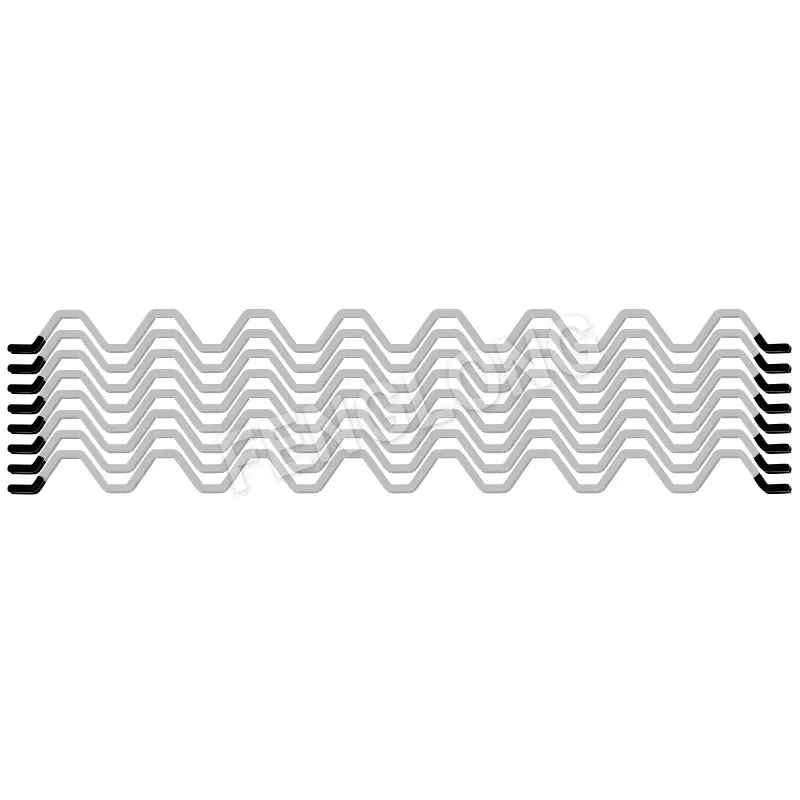
After the polyethylene film is draped over the structure, the くねくねワイヤー—a piece of high-tensile, PVC-coated steel wire bent into a zig-zag pattern—is pressed into the channel over the top of the film. The wire’s spring-like tension locks the film firmly in place along the entire length of the channel. This method distributes the holding force evenly, eliminating the stress points that cause tears. It creates a seal that is both incredibly strong and gentle on the film.
The advantages are profound. A properly installed wiggle wire system can hold the film securely even in hurricane-force winds. It allows the film to be pulled taut, which is essential for shedding water and snow and for preventing wind-induced oscillations that can damage the frame. Furthermore, it makes installation and replacement much easier. To release the film, you simply “wiggle” the wire out of the channel. This elegant solution is a perfect example of how thoughtful engineering can dramatically improve the resilience of a structure. For those new to this technology, exploring a くねくねワイヤー温室 can illuminate the nuances of selecting high-quality components.
Achieving Optimal Tension with a Film Reeler
The final piece of the puzzle in film installation is achieving the correct tension. A loose film is a liability. It will flap in the wind, a phenomenon called “luffing,” which not only stresses the film but also transfers dynamic, jerking loads to the greenhouse frame. A loose film will also collect water and snow in pockets, adding immense weight that the structure may not be designed to bear.
The film should be installed to be “drum-tight.” This can be difficult to achieve by hand, especially on a large greenhouse. This is where a フィルムリーラー or stretcher becomes an invaluable tool. A film reeler is a simple mechanical device that grips the edge of the film and uses leverage or a cranking mechanism to pull it taut across the frame before it is locked into the wiggle wire channel.
The process typically involves securing the film along one side of the greenhouse first. The film is then pulled over the ridge, and the reeler is used on the opposite side to apply even, consistent tension. The best time to install film is on a calm, warm day. The warmth makes the polyethylene slightly more pliable and allows it to be stretched tight. As it cools down during the night, the film will shrink slightly, increasing the tension and resulting in a perfectly taut, glass-like finish. This tension is not just for aesthetics; it is a fundamental component of structural stability.
テンペストを飼いならす:風と外圧に対処する
A greenhouse, by its very nature, presents a large profile to the wind. It is an obstacle in the path of moving air, and that air will exert powerful and complex forces upon it. The study of how to stabilize a greenhouse is, in large part, the study of aerodynamics. From the fierce Zonda winds descending the Andes in South America to the seasonal monsoons of Southeast Asia, wind is a primary adversary. Ignoring its power is to court disaster. Effective stabilization requires a multi-faceted approach that includes understanding the forces at play, strategically modifying the landscape, and reinforcing the structure itself against predictable stresses.
Understanding Aerodynamic Forces on Greenhouse Structures
When wind encounters a greenhouse, it does not simply push on the windward side. The fluid dynamics are far more complex. As air flows over the curved roof, its velocity increases, and according to Bernoulli’s principle, this increase in velocity corresponds to a decrease in pressure. This creates a powerful lifting force, much like the lift generated by an airplane wing. On a calm day, the air pressure inside and outside the greenhouse is equal. But in a high wind, the pressure on the roof and leeward side can drop significantly, resulting in a net outward pressure that can be strong enough to literally tear the film from the frame or even lift the entire structure off its foundation.
Research conducted by agricultural engineers has quantified these forces. Studies show that the highest negative pressures (lift) often occur not at the peak of the roof, but just past the crest on the leeward side (Katsoulas et al., 2006). The corners and edges of the structure also experience significantly higher stress concentrations due to the complex vortices that form as the wind detaches from the surface. This is why you will often see failures initiate at the corners of a greenhouse or along the roofline. An appreciation for these unseen forces is what separates a truly resilient design from a merely adequate one. The goal is not just to resist the push of the wind, but to counteract its pull as well.
The Function of Windbreaks and Natural Topography
The first line of defense against wind is not the greenhouse itself, but the landscape around it. A well-placed windbreak can reduce wind velocity by as much as 50%, dramatically lowering the force exerted on the structure. The force of wind is proportional to the square of its velocity, so halving the wind speed reduces the force by a factor of four. This is a staggering improvement for a relatively simple intervention.
A windbreak can be natural or artificial. A row of hardy, fast-growing trees or large shrubs planted upwind of the greenhouse is an ideal solution. The best windbreaks are semi-permeable; they don’t block the wind completely but rather filter and slow it down. A solid wall can create intense turbulence on its leeward side, which can sometimes be more damaging than the uninterrupted wind. A line of trees, on the other hand, gently lifts the wind over the greenhouse and reduces its speed without creating this violent turbulence. The optimal distance for planting a windbreak is typically two to five times the height of the trees.
The natural topography of the land can also be used to advantage. Siting a greenhouse on the leeward side of a hill or in a natural depression can offer significant protection. Conversely, building on an exposed hilltop or ridge is an open invitation for the wind to do its worst. Before construction begins, a thoughtful observation of the land and the prevailing wind patterns can inform a siting decision that provides a permanent, cost-free advantage in the battle against the elements.
Reinforcing High-Stress Areas
Even with a good windbreak, the greenhouse frame must be prepared to handle significant loads. Knowing that the corners and roof edges are high-stress areas allows for targeted reinforcement. This is where the principles of structural fortification come into play.
Corner Bracing is non-negotiable. As discussed previously, diagonal cross-bracing in every corner of the walls and roof prevents the rectangular bays from deforming under pressure. These braces should be securely fastened and kept taut.
Purlin Spacing is another key factor. Purlins are the members that run the length of the greenhouse, connecting the hoops or rafters. They support the covering and prevent the main frame members from flexing. The closer the purlin spacing, the stronger the roof structure will be and the better it will support the film against both downward (snow) and upward (wind lift) loads.
Storm Kits are often offered by manufacturers for high-wind areas. These kits typically include extra bracing, heavier-duty fasteners, and sometimes even steel cables and ground anchors that can be temporarily deployed over the top of the structure in advance of a major storm. They are a form of structural insurance.
Finally, the importance of the fastening system cannot be overstated. The continuous grip of a high-quality ウィグル・ワイヤー・チャンネル system is what holds the skin to the skeleton. In high-wind areas, it is wise to use channels on every single frame member that the film crosses—not just on the perimeter but on every hoop and purlin. This ensures that the wind load is distributed across the entire frame, rather than being concentrated on a few points of attachment. This comprehensive approach, from shaping the landscape to reinforcing the frame’s most vulnerable points, is how a grower can confidently face the tempest.
内なる呼吸:体内の気圧と流れを調整する
A greenhouse is often conceived of as a sealed environment, a placid bubble protected from the outside world. This conception is misleading. A greenhouse is a breathing entity, constantly exchanging air with its surroundings. The management of this breath—the internal air pressure and flow—is a subtle but profoundly important aspect of structural stabilization. An imbalance between internal and external pressure can be as destructive as a powerful gust of wind. This is particularly true for greenhouses covered with flexible polyethylene film. Understanding how to manage the air within is a key component of learning how to stabilize a greenhouse against the invisible forces that threaten it.
The Importance of a Balanced Ventilation System
Ventilation in a greenhouse serves multiple purposes: it regulates temperature, controls humidity, and replenishes carbon dioxide for photosynthesis. It also plays a crucial role in managing air pressure. A completely sealed greenhouse on a hot, sunny day will experience a significant rise in internal air temperature. This increase in temperature causes the air inside to expand and increases the internal pressure. If this pressure is not vented, it will push outwards on the film, straining the fastening systems and the frame itself.
Conversely, a sudden drop in outside temperature can cause the air inside to cool and contract, creating a negative pressure differential (a vacuum effect) that pulls the film inwards. The most dramatic pressure changes, however, occur during high winds. As wind rushes over the structure, creating a low-pressure zone on the exterior, a well-sealed greenhouse with high internal pressure can experience a massive outward force on its covering.
An effective 換気システム provides a controlled way to equalize this pressure. This can be achieved through several means:
- ロールアップ・サイド: A common and effective method where the film on the sidewalls can be rolled up or down, opening a large area for natural ventilation.
- Ridge Vents: Vents located at the peak of the roof that allow hot air, which naturally rises, to escape. These are particularly effective and can create a natural “chimney effect” ventilation when paired with side vents.
- Mechanical Fans: Large exhaust fans, typically mounted in an end wall, that actively pull air out of the greenhouse, forcing fresh air to enter through an intake vent or louver on the opposite end.
The key is that the ventilation system must be sized appropriately for the volume of the greenhouse to allow for rapid air exchange when needed. In windy conditions, slightly opening the vents on the leeward side (the side opposite the wind) can help to equalize the pressure between the inside and outside, dramatically reducing the dangerous lifting forces on the roof.
Strategic Placement and Use of Circulation Fans
While the main ventilation system manages the exchange of air with the outside, 循環ファン manage the movement of air within the greenhouse. These fans, often called Horizontal Air Flow (HAF) fans, are not designed for cooling but for creating a gentle, continuous, and circular pattern of air movement throughout the space.
Their primary agronomic benefit is to create uniform temperature and humidity, preventing hot or cold spots and reducing the incidence of fungal diseases. From a structural standpoint, their role is more subtle but still important. By keeping the internal air mass in constant, gentle motion, they prevent the stratification of air and the buildup of pockets of high or low pressure. During a wind event, a well-mixed internal air mass is less prone to the kinds of pressure differentials that can stress the covering.
The strategic placement of these fans is essential to their effectiveness. Typically, they are arranged in two lines along the length of the greenhouse. One line of fans pushes air in one direction, and the second line pushes it in the opposite direction, creating a slow, circular “racetrack” of airflow. This gentle, persistent movement helps the greenhouse “breathe” more evenly, making it less susceptible to the sudden pressure shocks induced by external weather events. These fans are the circulatory system of the greenhouse, ensuring that its internal environment remains stable and homogenous.
Preventing Film “Lift-Off” with Internal Pressure Management
The catastrophic failure mode for many film-covered greenhouses is “lift-off,” where the low pressure created by wind passing over the roof combines with the internal pressure to tear the film away. This is where all the elements of stabilization converge. A strong foundation and frame, a secure wiggle wire fastening system, and a well-managed ventilation strategy all work together to prevent this.
Consider this scenario: a strong wind is blowing. The grower has wisely planted a windbreak, which slows the wind’s velocity. The greenhouse itself is built on a level pad with a strong foundation. The polyethylene film is held taut by a comprehensive system of wiggle wire channels on every frame member. As the wind passes over the roof, creating lift, the grower opens the leeward roll-up sides slightly. This action allows some of the internal air to escape, equalizing the pressure and nullifying the lifting force. Inside, circulation fans keep the air moving, preventing any static pressure buildup against the film.
In this scenario, the grower is not just passively hoping the structure will hold. They are actively managing the forces at play. They are using their understanding of aerodynamics and pressure to turn the greenhouse from a rigid, vulnerable obstacle into a responsive, breathing system that can adapt to the storm. This proactive management, facilitated by a well-designed ventilation and circulation system, is the pinnacle of the art and science of greenhouse stabilization.
自動化されたガーディアンダイナミックな制御のためのギアモーターの統合
In the quest to create a perfectly stable and productive greenhouse environment, the human grower is the central intelligence. However, the grower cannot be present 24 hours a day, and weather conditions can change with startling rapidity. This is where automation, specifically the integration of gear motors, transforms the greenhouse from a static structure into a dynamic, responsive system. A gear motor is a compact and powerful combination of an electric motor and a gearbox. The gearbox reduces the speed of the motor while multiplying its torque, providing the slow, powerful, and controlled force needed to operate ventilation systems and other movable components. Their integration represents a significant leap forward in a grower’s ability to proactively manage the forces that affect greenhouse stability.
How Gear Motors Enhance Ventilation and Stability
The connection between ventilation and stability, as we have explored, is rooted in pressure management. Manually operated ventilation systems, like hand-cranked roll-up sides, are effective but require constant human attention. A sudden afternoon thunderstorm or a nocturnal wind front can arrive when no one is present to make the necessary adjustments.
A ギアモーター automates this process. When attached to the roll-up tube of a greenhouse’s side wall, the motor can raise or lower the film with precision and power. When connected to ridge vents, it can open or close them to the exact degree required. This automation provides two key benefits for stabilization:
- Responsiveness: An automated system can react instantly to changing conditions. When linked to a weather station, the system can be programmed to, for example, partially close the windward vents and slightly open the leeward vents when wind speeds exceed a certain threshold. This active pressure management can happen automatically, day or night, providing a level of vigilance that is humanly impossible.
- 一貫性: Manual adjustments can be imprecise. A gear motor, controlled by a simple thermostat or a sophisticated environmental controller, makes the same precise adjustment every time. It ensures that vents are not left accidentally open during a storm or sealed shut during a heatwave, both of which can create dangerous pressure imbalances.
By taking over the repetitive and time-sensitive task of vent adjustment, gear motors free the grower to focus on other aspects of crop management, while acting as a tireless guardian of the structure’s integrity.
Automating Roll-Up Sides and Roof Vents
The application of gear motors to roll-up sides is a common and highly effective upgrade for any hoop house. The motor is typically mounted at one end of the roll-up pipe. When activated, it rotates the pipe, neatly rolling the polyethylene film up to open the vent or unrolling it to close it. The high torque provided by the gearbox means that even very long roll-up sides (50 meters or more) can be operated by a single motor. This allows for the rapid ventilation of a very large space, which is critical for dumping heat and managing pressure.
Similarly, gear motors are used in rack-and-pinion systems to operate roof vents. The motor drives a long shaft, and pinions on the shaft engage with racks attached to the vents, pushing them open or pulling them closed. This provides the immense power needed to lift long rows of heavy vents against the force of wind. The ability to automate these large openings is fundamental to the environmental control and structural stability of large-scale commercial greenhouses, such as those found throughout the agricultural heartlands of South America and Southeast Asia. These operations depend on reliable automation from suppliers like Greenhouse Construction Materials to protect their significant investments.
Syncing Motors with Weather Sensors for Proactive Adjustments
The true power of automated gear motors is unlocked when they are integrated into a complete environmental control system. A simple system might link the motors to a thermostat, opening the vents when the temperature rises and closing them when it falls. A more advanced system, however, incorporates a wider range of sensors.
Imagine a controller connected to:
- アン anemometer (to measure wind speed)
- A wind vane (to measure wind direction)
- A rain sensor
- Internal and external temperature and humidity sensors
With this data, the control logic can become incredibly sophisticated. For example, the grower could program the system with a set of rules:
- If wind speed exceeds 40 km/h, close the vents on the windward side to 20% open and open the vents on the leeward side to 30% to equalize pressure.
- If the rain sensor is activated, close all vents to prevent water from entering.
- If the internal temperature exceeds 30°C AND the wind speed is below 15 km/h, open all vents fully for maximum cooling.
This level of control transforms the greenhouse from a passive shelter into an intelligent structure that actively collaborates with the weather. It anticipates threats and adjusts its posture to mitigate them. This is the ultimate expression of how to stabilize a greenhouse: not through brute force alone, but through a combination of structural strength and intelligent, dynamic adaptation. The gear motor is the muscle that enables this intelligence to be put into physical action, safeguarding the structure and the valuable crops within it.
一針入魂:プロアクティブ・メンテナンスと点検の哲学
A greenhouse, once built, is not a finished object. It is the beginning of a long relationship between the structure, the grower, and the environment. Like any relationship, it requires attention and care to endure. The forces of wind, sun, and time are relentless, constantly searching for a weakness, a loose bolt, a small tear, a spot of rust. A philosophy of proactive maintenance is the grower’s response to this reality. It is an acknowledgment that stability is not a permanent state but a process of continuous renewal. The old adage, “a stitch in time saves nine,” is nowhere more applicable than in the context of a greenhouse, where a small, overlooked problem can quickly cascade into a catastrophic failure.
Developing a Seasonal Inspection Checklist
Proactive maintenance begins with systematic observation. A casual walk-through is not enough; what is needed is a formal, seasonal checklist that guides the grower to look at the structure with a critical eye. This process should be undertaken at least twice a year, typically in the spring before the intense growing season begins, and in the autumn to prepare for the harshest weather of winter.
A comprehensive checklist would include:
- Foundation and Anchors:
- Visually inspect the foundation for any cracking or shifting.
- Check that all anchor bolts connecting the frame to the foundation are tight.
- For ground anchors, ensure they have not pulled up or loosened in the soil.
- Frame and Structure:
- Walk the entire length of the frame, both inside and out. Look for any signs of bending, twisting, or deformation.
- Check every bolt and fastener, especially at key connection points like trusses and cross-bracing. Tighten any that are loose.
- Inspect the galvanized coating on steel frames. If any scratches, chips, or signs of rust are found, sand the area clean and apply a coat of cold galvanizing compound or a suitable zinc-rich paint.
- Covering and Fastening System:
- Examine the entire surface of the 温室用ポリエチレンフィルム. Look for any small holes, tears, or areas where it has become abraded against the frame. Small holes can be repaired with specialized greenhouse repair tape.
- Inspect the くねくねワイヤー そして ウィグル・ワイヤー・チャンネル. Ensure the wires are still seated firmly in the channel and have not lost their tension. Check that the channel itself is still securely fastened to the frame.
- Check the tension of the film. If it has loosened over time, it may need to be re-stretched and re-secured.
- Ventilation and Automation:
- Operate all vents, both manual and automated. Ensure they open and close smoothly.
- Lubricate any moving parts, such as the mechanisms of a フィルムリーラー or the gears in a manual crank system.
- For automated systems, test the gear motors and check the wiring for any signs of wear or damage. Calibrate sensors to ensure they are reading accurately.
- Clean exhaust fan blades and shutters to ensure they operate efficiently. A dirty 循環ファン or exhaust fan moves less air, compromising its ability to manage temperature and pressure.
This disciplined, recurring act of inspection is the most effective form of insurance a grower can have.
The Long-Term Value of Quality Components
During these inspections, the wisdom of investing in quality components becomes vividly clear. A cheap, thinly galvanized frame will show signs of rust much sooner. A low-quality polyethylene film without adequate UV inhibitors will become brittle and fail years before a premium film would. A poorly designed fastening system will loosen and allow the film to tear.
The stability of a greenhouse over its lifespan is the sum of the quality of its parts. A high-tensile steel wiggle wire with a thick, UV-stabilized PVC coating will retain its spring and grip for many years, whereas an uncoated or poorly coated wire will rust and fail. A well-engineered aluminum lock channel will hold its shape and grip, while a flimsy one might bend or deform under load.
This is not to say that one must always buy the most expensive option. Rather, it is an argument for evaluating components based on their long-term value and their contribution to the integrity of the total system. The initial savings on a cheaper component are often erased many times over by the costs of premature failure, which include not only the replacement of the part itself but also the potential loss of an entire crop and the labor required for repairs. The long-term stability of a greenhouse is a direct reflection of the long-term thinking invested in its construction.
Adapting Your Stabilization Strategy Over Time
Finally, a philosophy of proactive maintenance includes a willingness to adapt. A greenhouse is not isolated from changes in its environment. A new building constructed nearby might alter wind patterns. A series of unusually severe storms might reveal a previously unknown weakness in the structure. The grower’s own needs may change, requiring the installation of heavier equipment, like trellising systems or irrigation booms, which add new loads to the frame.
Stabilization is not a one-time event but an ongoing dialogue. After a major windstorm, it is wise to perform an ad-hoc inspection to see how the structure performed. Were there areas where the film flapped excessively? Did any connections loosen? This feedback is invaluable. It may suggest the need to add extra cross-bracing, install a windbreak, or upgrade to a more robust fastening system. By observing, inspecting, and adapting, the grower ensures that the greenhouse does not just survive, but evolves to become ever more resilient and steadfast in the face of a changing world.
よくある質問(FAQ)
How do I anchor a greenhouse in very sandy or rocky soil?
For sandy soil, where traditional screw-in ground anchors may not hold well, you should use anchors with wider flukes or “deadman” anchors. A deadman anchor involves burying a horizontal object (like a concrete post or treated log) deep in the ground, to which you attach your anchor cables. For rocky soil, the best method is to drill into the rock and set threaded rods using epoxy anchoring adhesive, then bolt your frame’s base plates directly to these rods.
Can I add bracing to an existing greenhouse that seems weak?
Yes, absolutely. Retrofitting bracing is a highly effective way to improve the stability of an existing structure. You can add cross-bracing to the corners and along the sidewalls using galvanized steel tubing or even tensioned steel cables. Adding purlins between the main hoops will also significantly strengthen the roof against both wind lift and snow load.
My plastic film inflates like a balloon on windy days. What should I do?
This indicates a significant pressure difference between the inside and outside of your greenhouse. The solution is to equalize the pressure. On a windy day, slightly open the vents or roll-up sides on the leeward side (the side sheltered from the wind). This allows some of the high pressure inside to escape, reducing the “ballooning” effect and the dangerous lifting forces on the film. Ensuring your internal circulation fans are running can also help.
What is the single most important component for securing greenhouse film?
The wiggle wire and channel system is arguably the most critical component for securing film. Unlike batten tape or other methods that create pressure points, a wiggle wire system provides a continuous, firm grip along the entire edge of the film without puncturing it. This even distribution of force is essential for resisting wind damage and achieving the drum-tight tension needed for a stable and long-lasting cover.
How often should I re-tighten my greenhouse film?
Greenhouse film will naturally stretch slightly over time. You should check the tension as part of your seasonal maintenance schedule, at least twice a year. However, the best time to re-tighten is after the first few weeks of its installation and after the first major heatwave of the season. If you notice the film flapping in the wind or pooling water, it should be re-tightened immediately, regardless of the season.
Is a curved roof (hoop house) or a peaked roof (A-frame) better for wind?
A curved roof generally offers better aerodynamic performance. The smooth, rounded surface allows wind to flow over it with less turbulence and lower pressure differentials compared to a peaked roof with sharp angles. This results in less lift and lower overall stress on the structure. However, a peaked roof is often better at shedding snow. The choice depends on whether wind or snow is the primary environmental challenge in your region.
How do I calculate the snow load my greenhouse can handle?
Calculating precise snow load capacity is a complex engineering task. However, you can take steps to improve it. A stronger frame (e.g., thicker gauge steel), closer spacing of hoops/rafters, and a steeply pitched or curved roof will all help shed snow more effectively. If heavy snow is expected, you can also build temporary internal supports from lumber to help bear the weight. Always remove heavy, wet snow from your greenhouse roof as soon as it is safe to do so.
結論
The endeavor of stabilizing a greenhouse transcends mere construction; it is an exercise in applied physics, agricultural engineering, and ecological foresight. We have journeyed from the foundational earth, examining the critical dialogue between soil, climate, and the anchoring systems that root the structure, to the very skeleton of the frame, where material strength and geometric ingenuity conspire to resist immense forces. We have seen how the greenhouse’s skin, its polyethylene film, must be chosen with care and secured with the elegant and powerful grip of a wiggle wire system to transform it from a vulnerability into a resilient barrier.
The discussion moved from the solid to the ephemeral, exploring the unseen world of aerodynamics. Both the external tempest and the internal breath of the greenhouse must be managed with intelligence. Windbreaks, strategic ventilation, and the constant, gentle motion from circulation fans all play their part in taming these pressures. The integration of gear motors elevates this management to an automated, ever-vigilant process, allowing the structure to adapt dynamically to the weather’s whims.
Ultimately, the path to a truly stable greenhouse is paved with a philosophy of proactive stewardship. A disciplined schedule of inspection and maintenance, a commitment to quality components, and a willingness to adapt based on observation are what ensure longevity. A greenhouse is not a fortress, but a carefully tuned instrument. By understanding how to stabilize a greenhouse in all its facets—from its foundation to its automated controls—a grower does more than protect a physical structure; they secure a space of controlled creation, a sanctuary where life can flourish, sheltered from the storm.
参考文献
ASAE Standards. (2003). S567: Pressurized irrigation system design. American Society of Agricultural Engineers.
Katsoulas, N., Baille, A., & Kittas, C. (2006). Effect of vent opening on greenhouse microclimate. Biosystems Engineering, 93(4), 427-436.
Von Zabel, A. R., & Gheen, K. M. (2016). Soil anchor holding capacity (Publication No. 1671 1801P). U.S. Department of Agriculture, Forest Service, National Technology and Development Program.