
.png)




温室に最適なプラスチックフィルムを選ぶ7つの秘訣
8月 28, 2025
要旨
温室用途に適切なプラスチックフィルムを選択することは、生産者にとって重要な決断であり、作物の収量、品質、作業効率に大きな影響を与える。本書では、最適な温室用被覆材を選択する際の多面的な検討事項を詳細に検討する。ポリエチレンとその共重合体の基本的な材料特性を探り、フィルムの厚さ、耐久性、寿命の重要性を分析している。さらに、光透過性、熱特性、湿度コントロールに影響を与える様々なフィルム添加剤の微妙な効果についても解説する。紫外線安定化、赤外線保持、結露防止、光拡散などの主要な特性を分解し、植物生理、害虫管理、エネルギー消費への具体的な影響を解明する。中東の強烈な太陽からロシアの涼しく変わりやすい条件まで、世界の多様な気候の中でこれらの技術仕様を位置づけることで、このガイドブックは、専門家や熱心な生産者に、特定の農業目的と環境課題に沿った情報に基づいた投資を行うために必要な枠組みを提供します。
要点
- お住まいの地域の気候を見極めて、適切な熱特性と紫外線特性を持つフィルムを選びましょう。
- 拡散フィルムを選ぶと、影や照り返しを抑え、植物のキャノピーをより健康に保つことができます。
- 防滴フィルムを使用して、病気のリスクを下げ、光の透過を改善する。
- 温室に適切なプラスチックフィルムを使用すれば、冷暖房コストを大幅に削減できる。
- 適切なウィグルワイヤーとチャンネル設置システムを使用することで、フィルムの寿命を確保する。
- UVカットフィルムは、アザミウマやコナジラミのような一般的な温室害虫を自然に駆除することができる。
- ミクロン単位の膜厚は、耐久性と寿命の直接的な指標となる。
目次
- 基礎を理解する材料構成と耐久性
- 光を極める:透過、拡散、色彩
- 見えない守護者UV(紫外線)対策をナビゲートする
- 温度を飼いならす:サーマル(IR)フィルムの威力
- 結露をコントロールする:防滴・防曇革命
- 基本を超える:特殊な添加剤と特徴
- 完全なシステム固定と設置のベストプラクティス
基礎を理解する材料構成と耐久性
管理された環境の表皮である温室のプラスチック・フィルムは、まさに現代のポリマー科学の証です。その選択は、単に構造物を覆うという些細な問題ではなく、植物が生息する世界を定義する最初のステップです。その素材が本来持っている特性によって、強度や耐候性、そして最終的には交換が必要になるまでの耐用年数が決まります。賢く選択することは、物質そのものを理解することであり、収穫を成功に導く化学的性質を理解することです。
ポリエチレン(PE):業界標準
ポリエチレンは、柔軟性、強度、コストパフォーマンスに優れたポリマーです。ポリエチレンは、その上に他の機能を描くための土台となるキャンバスだと思ってください。しかし、すべてのポリエチレンが同じように作られているわけではありません。現代の温室用フィルムのほとんどは、3層以上の共押出しによる高度なサンドイッチ構造になっており、それぞれの層に特定の特性が付与されている(Bartok, 2021)。内層は耐引裂性、中間層はUVカット、外層は耐久性と防塵性といった具合だ。このような多層構造により、メーカーは複数の課題に同時に対応する製品を1つ作ることができ、かつての単純なプラスチックシートとは一線を画す。この工学的アプローチこそが、基本的なカバーリングを高性能なものに変えるのである。 温室用ポリエチレンフィルム.
コポリマーとその他の先端材料
ポリエチレンが支配的な素材である一方で、業界は常に革新を続けている。異なる種類のモノマー(ポリマーの基本構成要素)を結合させるコポリマーは、特性を向上させる。例えば、エチレン-酢酸ビニル(EVA)を加えることで、熱特性と弾力性を高めることができる。もうひとつの素材はポリカーボネートで、剛性が高く、耐久性に優れています。東南アジアの小規模農場から南米の大規模商業農場まで、大半の用途では、高品質の共押出ポリエチレンフィルムが、性能、寿命、経済性の最適なバランスを提供します。その選択は、ニーズと予算を慎重に見極めることにかかっており、これはすべての生産者が行わなければならない計算です。
膜厚(ミル/ミクロン)と寿命への影響
温室用プラスチックフィルムの厚さは、その堅牢性を直接、物理的に示す尺度です。通常、ミル(1000分の1インチ)またはミクロン(100万分の1メートル)で測定されます。複数年の温室使用における一般的な標準は、6ミル(約150ミクロン)です。
なぜこれが重要なのか?フィルムが厚いほど、物理的なダメージに対する耐性が高くなる。温帯地方における雹の嵐や、中東の気候における風で飛ばされた砂による絶え間ない摩耗を想像してみてほしい。フィルムが厚いほど、こうした攻撃に耐えられるのだ。また、素材に配合されている紫外線安定剤の蓄積量も多くなります。太陽光線がこれらの安定剤を徐々に分解していくため、厚いフィルムほど余裕があり、機能的な寿命が長くなり、多くの場合4年以上保証される。短期的なプロジェクトでは、より薄くて安価なフィルムが魅力的に見えるかもしれませんが、本格的な複数シーズンの栽培では、6ミル(150ミクロン)以上の厚いフィルムに投資することは、信頼性と交換労力の削減という配当が得られる賢明な経済的決断です。
光を極める:透過、拡散、色彩
光は植物の生命線であり、光合成の原動力となるエネルギーだ。温室のプラスチックフィルムは、このエネルギーの門番の役割を果たし、その特性は、光の入り込み量だけでなく、その質と分布を決定する。光の管理について高度に理解することが、合格点の温室と生産性の高い温室を分けるのです。そのためには、単純な透明性だけでなく、フィルムがどのように光を操作して植物に有利に働くかを考える必要がある。
クリアフィルムと拡散フィルム:2つの光路の物語
透明なフィルムは光の透過率が最も高い。完全に晴れた日には、太陽エネルギーを最大限に植物に届けます。これは理想的に見えるかもしれないが、鋭く硬い影という重大な欠点がある。トマトやキュウリのような背の高い植物の上部の葉は、強烈な直射光を受け、ストレスや焦げを引き起こす可能性がある。一方、下部の葉は深い影に覆われ、光合成エンジンはアイドリング状態になる。
対照的に、拡散フィルムには入射光を散乱させる微細な粒子が含まれている。全体的な光線透過率は透明フィルムより若干低くなるかもしれませんが、入射した光はより均一に分散されます。光は跳ね返り、複数の角度から植物キャノピー全体を照らします。この "ソフト "な光は、厳しい影をなくし、下葉が植物'の全体的な成長にもっと貢献できるようにします。また、果実や上部の葉の日焼けによるリスクも軽減されます。ほとんどの作物や気候、特に南アフリカや中東のような日照量の多い地域では、温室用の拡散プラスチックフィルムは、より均一な生育、より高品質の農産物、植物ストレスの軽減につながります。
温室用フィルムの光特性の比較
| プロパティ | クリアフィルム | 拡散フィルム | 白/不透明フィルム |
|---|---|---|---|
| 光伝送 | 最高 (88-92%) | ハイ (85-90%) | 低~非常に低い (30-60%) |
| 光の質 | 直接的で厳しい | 散らばっている、柔らかい | 散発的、著しく減少 |
| シャドーイング | 高い、シャープな影を作る | 低く、キャノピーの影を減らす | 非常に低い、最小限の影 |
| 主な使用例 | 種まき、低照度地域 | 汎用、ほとんどの作物、日照時間の長い地域 | 冷却、遮光、家畜 |
| 灼熱のリスク | 高い | 低い | 非常に低い |
色の役割:白、不透明、特殊な色合い
透明フィルムや拡散フィルムが最も一般的ですが、カラーフィルムは特定の目的に使用されます。白色または不透明プラスチックは、太陽光の大部分を反射するように設計されています。通常、光を好む作物の栽培には使用されませんが、涼しい環境を作るには最適です。ハウスや貯蔵庫の遮光、あるいは気温の低下が第一の目的である家畜の飼育に使われることもある。極端に暑い気候の地域では、妥協案として屋根に白色フィルム、側壁に透明フィルムを使用する生産者もいる。
特殊な色合いもある。例えば、光形態形成として知られる研究分野では、植物の発育に影響を与える特定の波長の光を遮断するように設計されたフィルムもある。しかし、園芸用途の大部分では、高品質のクリアか、より多くの場合、拡散された色合いのどちらかを選択することになる。 温室用ポリエチレンフィルム が最もインパクトのある決断となるだろう。
PAR(光合成有効放射量)とその重要性
植物にとっての光とは、単に人間の目で見た明るさのことではありません。植物が光合成に利用する光スペクトルの特定の範囲(400~700ナノメートル)である光合成有効放射(PAR)について話しているのです。温室用の高品質プラスチックフィルムは、この特定範囲の光を最大限に透過するように設計されています。メーカーが提供するデータシートにはPAR透過率が明記されており、これは可視光線全透過率よりも植物の生育に対するフィルムの有効性をより正確に示す指標となります。フィルムを比較する際は、必ずPARの数値を確認してください。PARの数値こそが、植物がどれだけのエネルギーを利用できるかを示す真の指標です。
見えない守護者UV(紫外線)対策をナビゲートする
紫外線(UV)放射は、太陽光の目に見えない成分であり、温室環境と強力かつ複雑な関係にある。フィルム自体の寿命、昆虫の行動、病気の蔓延、さらには温室内の植物の健康にまで影響を及ぼす。したがって、温室用プラスチックフィルムがどのように紫外線を管理するかは、最も重要な特徴であり、特定の栽培戦略に基づいて慎重に検討する必要があります。
紫外線安定化フィルムと紫外線遮断フィルム
まず、よくある誤解を解いておきましょう。評判の高い複数年使用可能な温室用フィルムは、すべて紫外線安定加工が施されています。これは、ヒンダードアミン光安定剤(HALS)と呼ばれる添加剤が含まれていることを意味し、ポリエチレンポリマーが紫外線によって分解されるのを防ぎます。これらの安定剤がなければ、標準的なプラスチック・シートはもろくなり、数ヶ月で崩壊してしまう。UV安定化フィルムは、その保証された寿命、通常4年間耐えるように設計されている。
UVカットフィルムはさらに一歩進んでいる。それ自体の保護のために安定化されていることに加え、ほとんどの紫外線が温室内を通過するのを防ぐ添加剤が含まれている。これは、栽培環境にいくつかの大きな効果をもたらします。そのため、トレードオフを理解することが重要です。
紫外線、花粉媒介者、害虫の関係
ここで決断が魅力的になる。ミツバチのような有益な受粉媒介者を含む多くの昆虫は、紫外線を使って移動する。私たちには見えない花の模様を見て、蜜源へと導くのだ。温室内でミツバチによる受粉が必要な作物(トマト、キュウリ、メロンなど)を栽培する場合、一定量の紫外線を通すフィルムを使用しなければならない。紫外線を遮断するフィルムは、ミツバチを事実上盲目にし、重要な仕事をさせることができなくなる。
逆に、コナジラミ、アザミウマ、アブラムシなど、害虫の多くも紫外線を利用して移動します。温室にUVカットのプラスチックフィルムを選ぶことで、害虫が植物を見つけて侵入するのを邪魔することができ、害虫へのプレッシャーを大幅に軽減することができます(ag.umass.edu).さらに、ボトリティス(灰色カビ病)のようなある種の真菌病原菌の発生や蔓延も、低紫外線環境下では抑えることができます。ですから、自家受粉をする作物や昆虫による受粉を必要としない作物であれば、紫外線カットフィルムは総合的病害虫管理(IPM)戦略の強力なツールとなります。
紫外線がフィルムの寿命と植物の健康に与える影響
前述の通り、紫外線はフィルムにとって大敵である。UV安定剤パッケージの品質と濃度がフィルムの寿命を直接決定する。フィルムを購入する際、保証期間(例えば4年)は、指定された条件下での紫外線劣化に対するメーカーの保証である。
植物に対する紫外線の影響は、より微妙である。過度の紫外線はダメージを与えるが、一部の紫外線は、特定の果物やハーブの色、味、香りの化合物の発達を促進するなどの利点がある。また、よりコンパクトで丈夫な植物になるという研究もある。しかし、ほとんどの商業栽培農家にとって、UVカットフィルムによる病害虫防除のメリットは、特に受粉が関係ない場合には、UV照射による潜在的なメリットよりも上回ることが多い。このブロックするかしないかの選択は、作物や栽培方法による戦略的なものである。
温度を飼いならす:サーマル(IR)フィルムの威力
昼夜の温度差が激しい地域の栽培者にとって、熱環境の管理は常に戦いである。日中、太陽は十分な暖かさを提供してくれますが、太陽が沈むとすぐに、蓄積された熱が寒い夜空に放射され始めます。温室用の赤外線(IR)プラスチックフィルムは、毛布のような役割を果たし、この熱の放出を遅らせ、より安定したエネルギー効率の高い栽培環境を作り出します。
赤外線(IR)添加剤が熱を保持する仕組み
サーマル・フィルムの科学は極めて単純である。地球と地球上のあらゆるものは、長波赤外線の形で熱を放射している。一般的なポリエチレン・フィルムはこの放射に対してほとんど透明で、熱を自由に逃がすことができます。しかし、サーマルフィルムには、この特定の長波長赤外線を反射する微細なミネラル添加物が含まれています。
温室が人間だと想像してみてください。日中、温室は太陽の暖かさを吸収します。夜になると、その暖かさを放射し始めます。一般的なフィルムは、綿のTシャツを着ているようなものです。サーマルフィルムはフリースジャケットを着るようなもので、熱は発生しませんが、体温を閉じ込め、より長く暖かさを保ちます。赤外線放射の一部を植物や土壌に反射させることで、温室内を一晩中数度暖かく保つことができます。
寒冷地での利点と霜対策
ロシアや南米の高地など、冬や夜が寒い地域の生産者にとってのメリットは計り知れない。一晩中暖かい気温は、植物のストレスを軽減し、継続的な成長を促し、暖房コストを大幅に削減することができる。燃料や電気にかかるエネルギーを大幅に節約できるため、サーマルフィルムへの高額な初期投資を1シーズンで回収できることも少なくありません。
この保温は、霜よけにも威力を発揮する。突然の遅い春の霜は、若い作物を壊滅させる可能性があります。温室用保温プラスチックフィルムが保持する余分な数度の暖かさは、完全な損失と健全な収穫の違いになる可能性があります。それは、天候の予測不可能性から生産者の投資を保護し、重要なバッファを提供します。
暑い地域での保温とオーバーヒートのリスクのバランス
東南アジアや中東のような暑い気候で、遮熱フィルムは意味があるのだろうか?直感に反するようだが、答えはイエスである。暑くて乾燥した地域の多くは、日中の気温差が激しく、灼熱の日中と驚くほど涼しい夜間とが繰り返されます。このようなシナリオでも、遮熱フィルムは作物を夜間の寒さから守り、露の発生を抑えるという利点がある。
重要なのは、サーマルフィルムと頑丈な 換気システム.日中は、サイドロールアップ、ルーフベント、そしてパワフルな 循環ファン は余分な熱を排出するために使用される。活発な換気が行われている日照ピーク時には、フィルムの熱特性は重要な要素ではない。#39;フィルムの利点は、温室が夜間に閉鎖されている場合にのみ発揮されます。このような気候の場合、生産者は、熱(IR)特性と高度な拡散性、そして場合によってはUVカット機能を兼ね備えたフィルムを選び、その環境特有の課題に合わせた洗練された被覆を作ることができる。選択プロセスとは、単一の機能を選ぶだけでなく、完全なシステムを構築することである。
結露をコントロールする:防滴・防曇革命
水は生命維持に不可欠なものだが、温室のフィルム内面に結露すると、それが仇となる。水滴の形成とそれに続く霧は、光を弱め、病気を促進し、作物にダメージを与えます。現在、多くの高品質温室用フィルムに標準装備されている防滴・防霧技術は、このような問題への直接的な対応であり、より健康的で生産性の高い管理環境を作る上で大きな飛躍となります。
水滴の問題病気と減光
温室内の暖かく湿った空気が、夜間にプラスチックフィルムの冷たい表面と接触すると、結露する。特別な処理をしなければ、この結露は個々の水滴となる。この水滴には、2つの大きな悪影響がある。
まず、光の透過率を下げる。水滴のひとつひとつが、小さな形の悪いレンズのような役割を果たし、光を乱反射させたり屈折させたりする。何百万もの水滴の累積効果は、特に重要な朝の時間帯に、植物キャノピーに届く使用可能なPAR光の量を著しく減少させる。その結果、成長が遅れ、収量が減少する可能性がある。
第二に、より重大なことは、これらの水滴が下の植物に落ちる可能性があるということだ。この突然の「雨」は、デリケートな葉や花に物理的なダメージを与える可能性がある。さらに重要なことは、葉が濡れた状態が続くことで、ボトリティス菌、うどんこ病、細菌性葉斑病などの真菌や細菌性の病原菌にとって、絶好の繁殖場所ができてしまうことだ。落下する水滴は、感染した植物から健康な隣の植物に胞子を飛散させ、温室全体に病害を急速に蔓延させる輸送メカニズムとしても機能する。
防滴コーティングの科学
温室用防滴プラスチックフィルムは、内層に特殊なコーティングや添加物を施し、プラスチックの表面張力を変化させている。結露は個々の水滴を形成する代わりに、薄く均一で透明なシート状に広がります。このシート状の水は、温室のカーブを伝って側壁や雨どいへと流れていきます。
その効果は一変する。水滴がなくなることで、光の透過率は即座に改善される。植物はより多くのエネルギーを受け取ることができ、光に関連する問題のリスクは最小限に抑えられます。最も重要なのは、植物キャノピーに水が滴り落ちる恐れがなくなることだ。このたったひとつの機能によって、病害の圧力が激減し、植物がより健康になり、農産物の品質が向上し、高価で手間のかかる殺菌剤散布の必要性が減少する。これは、温室管理の日々の現実に大きな影響を与えるシンプルなコンセプトです。
防滴と適切な換気システムの組み合わせ
防滴フィルムは非常に効果的ですが、湿気管理に対する総合的なアプローチの一部として最も効果的です。結露の管理だけでなく、そもそも結露の発生を抑えることが目標なのだ。そのために 換気システム は欠かせない。を使う。 循環ファン 温室内の空気を常に流動させることで、結露が発生しやすい淀んだ湿度の高い微気候の形成を防ぐことができます。
適切な換気は、屋根や側面の換気口による受動的な換気であれ、排気ファンによる能動的な換気であれ、栽培者が内部の暖かく湿った空気を、より涼しく乾燥した外気と交換することを可能にする。これにより、構造体内の全体的な湿度が下がり、フィルム表面で結露する水の量が減る。高品質のアンチドリップ・フィルムを組み合わせる栽培者 温室用ポリエチレンフィルム インテリジェントな換気方法を用いることで、病気に強く、植物の生育に最適化された優れた栽培環境が実現する。
基本を超える:特殊な添加剤と特徴
温室用フィルムの進化は、単なるポリエチレンの域をはるかに超えている。最新のフィルムは、栽培環境を操作するための超自然的ともいえる能力を付与する一連の添加剤を用いて設計された、高度に専門化されたツールである。植物の開花時期のコントロールから砂漠の埃よけまで、これらの機能によって栽培者は前例のないレベルのコントロールが可能になり、かつては不可能だった栽培戦略が可能になった。
光周期の制御のための光遮断フィルム
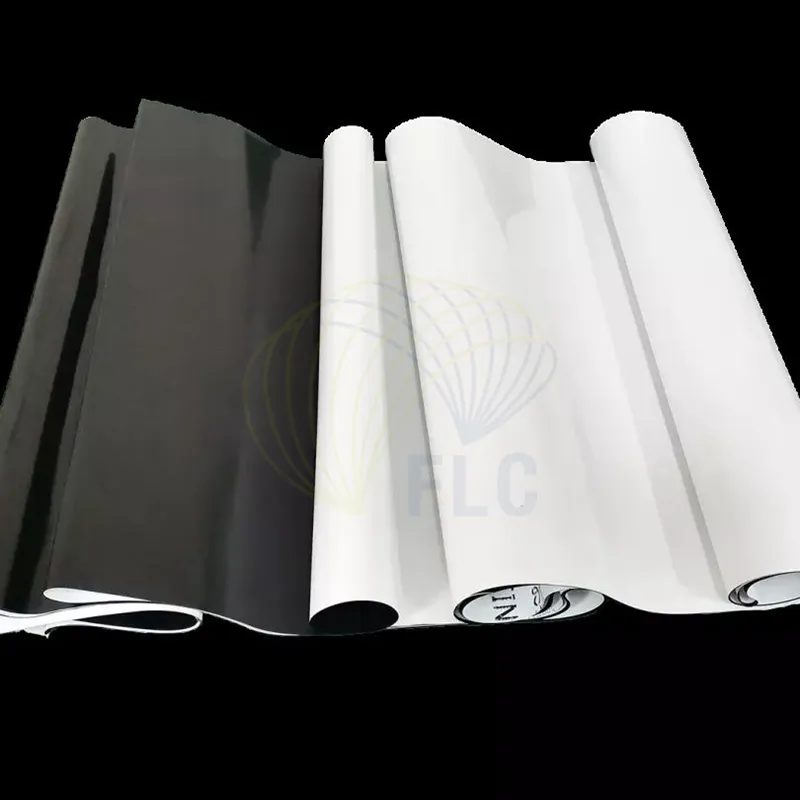
大麻、菊、ポインセチアなど、一部の植物は光周性である。植物成長から開花への移行は、夜の長さによって引き起こされる。これらの植物を商業的なスケジュールで開花させるためには、栽培者は人工的に長い夜を作り出す必要がある。これには、光遮断または「ブラックアウト」フィルムを使用する。
高品質 100%遮光ポリフィルム is a marvel of co-extrusion, typically featuring a white outer layer to reflect heat and a black inner layer to completely block light. This allows a grower to cover the greenhouse and simulate nighttime, even in the middle of a summer day. By precisely controlling the photoperiod, growers can induce flowering on command, enabling multiple harvests per year and allowing them to bring crops to market exactly when demand is highest. This level of control is fundamental to the business model of many modern horticultural operations.
Summary of Common Greenhouse Film Additives
| Additive/Feature | 主な機能 | Key Benefit(s) | Ideal Climate/Use Case |
|---|---|---|---|
| UV Stabilizer (HALS) | Protects film from UV degradation | Extends film lifespan to 4+ years | Universal, essential for all multi-year films |
| Infrared (IR) / Thermal | Blocks outgoing long-wave radiation | Retains heat, saves energy, frost protection | Regions with cool nights or cold winters |
| Anti-Drip / Anti-Condensation | Reduces surface tension for water | Prevents dripping, improves light, reduces disease | Humid climates, all high-value crops |
| 光の拡散 | Scatters direct sunlight | Reduces shadows and scorching, even growth | High-sun regions, tall or dense crops |
| UV Blocking | Prevents UV transmission into the greenhouse | Pest control (thrips, whiteflies), disease suppression | Crops not requiring insect pollination |
| 耐塵性 | Creates a slicker surface | Repels dust and dirt, maintains light transmission | Dusty, arid, or polluted environments |
Anti-Dust Properties for Maintaining Light Transmission
In many of the world's most productive agricultural regions, from the Central Valley of California to the plains of South Africa and the deserts of the Middle East, dust is a constant reality. Over time, a layer of dust can accumulate on the outside of a greenhouse, acting like a shade cloth you did not ask for. This layer can significantly reduce light transmission, starving the plants of the energy they need.
To combat this, manufacturers have developed anti-dust coatings. These proprietary treatments create an exceptionally smooth surface that makes it more difficult for dust and pollution particles to adhere to the film. When it rains, the water is more effective at washing the surface clean, helping to maintain the film's original clarity and light transmission for longer. For a grower in a dusty environment, this feature on a plastic film for a greenhouse is not a luxury; it is a vital component for ensuring consistent productivity.
Tear and Puncture Resistance for Harsh Conditions
The strength of a film is not just about its thickness. Advanced polymers and specific manufacturing techniques are used to create films with exceptional tear and puncture resistance. A film with high mechanical strength is more forgiving during installation and better able to withstand the daily stresses of wind, contact with the greenhouse structure, and potential impacts from hail or debris. This is particularly important for large, multi-span greenhouses where the forces exerted on the film can be immense. When choosing a film, inquire about its tear strength and puncture resistance ratings, as these are direct indicators of its physical toughness and resilience in the field. This durability is what gives a grower peace of mind, knowing their protective barrier is built to last. For more insights on building robust greenhouse systems, learning from established experts in the field like the team at くねくねワイヤー can provide valuable perspective.
完全なシステム固定と設置のベストプラクティス
A state-of-the-art plastic film for a greenhouse is only as good as its installation. A poorly secured film will flap in the wind, causing premature wear and tear, and will fail to provide the taut, stable barrier needed for optimal environmental control. The final, critical step in harnessing the full potential of your chosen film is to secure it using a professional system that ensures longevity, performance, and ease of maintenance. This is where the hardware of the greenhouse takes center stage.
The Critical Role of Wiggle Wire and Channel Systems
The industry standard for securely fastening a greenhouse film is the combination of a lock channel (also known as a U-channel or base) and a くねくねワイヤー. The lock channel is a durable, aluminum or steel track that is screwed directly onto the greenhouse frame—along the baseboards, hip boards, and around all openings.
Once the plastic film is draped over the structure and pulled taut, the wiggle wire, a piece of PVC-coated, high-tensile steel wire bent into a zig-zag pattern, is pressed into the channel over the top of the film. The wire's spring-like tension firmly locks the film in place without puncturing it. This method provides a continuous, secure grip along the entire length of the channel, distributing the load evenly and preventing the formation of stress points that could lead to tears. Using a high-quality くねくねワイヤー system is non-negotiable for a professional installation. It is far superior to older methods like batten tape and staples, which create holes in the film and concentrate stress in small areas. To explore a range of reliable securement options, consider browsing a specialized supplier like www.wigglewires.com.
Proper Tensioning with Manual or Motorized Film Reelers
Achieving the correct tension is both an art and a science. The film should be taut like a drum skin to prevent flapping and pooling of water, but not so tight that it is over-stressed, particularly during temperature changes when the plastic will expand and contract. For roll-up sidewalls, which are essential for ventilation in many climates, a フィルムリーラー or roll-up crank is used. A manual reeler is a simple, effective solution for smaller greenhouses.
For larger commercial structures, a motorized system using a dedicated ギアモーター offers significant advantages. A motorized reeler allows for quick, effortless, and uniform raising and lowering of entire sidewalls, enabling a grower to respond rapidly to changing weather conditions. A sudden rainstorm or a spike in wind speed can be dealt with in moments, protecting the crop and the structure. This level of control and efficiency is a hallmark of a modern, productive greenhouse operation.
Ensuring Longevity Through Correct Installation and Maintenance
The longevity of your plastic film for a greenhouse begins on installation day. Always install the film on a calm, overcast, and moderately warm day. Installing in the heat of the day will cause the film to be overly expanded; as it cools and shrinks at night, it can become over-tightened and stressed. Conversely, installing in the cold will result in a loose, saggy film once temperatures rise.
Ensure all surfaces the film will touch are smooth. Cover sharp edges or rough welds on the frame with a protective tape. During installation, use the wiggle wire channel to secure the film in a strategic sequence, ensuring even tension across the entire surface. Once installed, regularly check the tension and inspect the film for any small punctures, which should be repaired immediately with a specialized greenhouse repair tape to prevent them from growing. A well-installed and maintained film, secured with a professional wiggle wire and channel system, will deliver its full, warrantied lifespan and provide the stable, protected environment your crops need to thrive.
よくあるご質問
What is the best thickness for a plastic film for a greenhouse? For most multi-season applications in diverse climates, a 6 mil (approximately 150 micron) thickness is the industry standard. It offers a great balance of durability, light transmission, and longevity, typically lasting for at least four years. Thinner films may be used for temporary high tunnels, while thicker options could be considered for areas with extreme weather conditions.
How often do I need to replace my greenhouse polyethylene film? Most high-quality greenhouse films come with a 4-year UV degradation warranty. This means the film is guaranteed to maintain its structural integrity for that period. Depending on your climate's intensity of sun and weather, you should plan to replace the film every four to five years to ensure optimal light transmission and performance.
Can I use any clear plastic from a hardware store for my greenhouse? No, you should not. Construction-grade plastic sheeting lacks the essential properties of a true greenhouse film. It does not have UV stabilizers and will become brittle and disintegrate in a few months of sun exposure. It also lacks features like anti-drip coatings, IR thermal properties, and light diffusion, which are critical for creating a productive growing environment.
What is the difference between a UV-stabilized and a UV-blocking film? All multi-year greenhouse films are UV-stabilized, meaning they contain additives to protect the plastic itself from sun damage. A UV-blocking film goes further by also preventing most UV radiation from entering the greenhouse. This can help control certain pests and diseases but may hinder the navigation of pollinating insects like bees.
Is a thermal (IR) film worth the extra cost? In any region with cool nights or a distinct cold season, a thermal (IR) film is almost always worth the investment. The energy savings from reduced heating costs can often pay for the higher initial price of the film within one or two seasons. It also provides excellent protection against unexpected frost.
温室用フィルムのクリーニング方法は? You can clean your greenhouse film with a soft brush and a solution of water and a mild, non-abrasive soap or a specialized greenhouse cleaner. It is important to rinse it thoroughly afterward. Avoid using harsh chemicals, detergents, or abrasive tools, as they can damage the film's surface and any special coatings like anti-drip layers.
What is a light deprivation film used for? A light deprivation film, or blackout film, is used to control the photoperiod for certain plants. By creating artificial long nights, growers can trigger the flowering stage in plants like cannabis, chrysanthemums, and poinsettias on a specific schedule, allowing for multiple, planned harvests throughout the year.
結論
The journey of selecting the right plastic film for a greenhouse is an exercise in foresight and precision. It is an acknowledgment that the thin membrane separating your crops from the outside world is not merely a passive shield but an active modulator of the growing environment. From the foundational choice of polymer and thickness to the sophisticated selection of additives that manage light, temperature, and moisture, each decision has a direct and cascading effect on plant health, operational cost, and final yield. A diffused, thermal, anti-drip film may be the ideal choice for a tomato grower in a temperate climate, while a UV-transmitting, highly durable film might be necessary for a melon farmer in South America who relies on bee pollination. The optimal choice is never universal; it is deeply personal to the grower's crop, climate, and commercial goals. By investing the time to understand these properties and pairing a high-quality film with a professional installation system, a grower moves beyond simply building a structure and begins to cultivate a truly optimized, resilient, and productive agricultural ecosystem.
参考文献
Bartok, J. W. (2021, April 19). In review: greenhouse film plastic properties. Greenhouse Management. https://www.greenhousemag.com/article/tech-solutions-in-review-greenhouse-film-plastic-properties/
Bootstrap Farmer. (2025, March 7). What is the Best Plastic Covering to Use for a Greenhouse? Our Guide to Greenhouse Plastic. https://www.bootstrapfarmer.com/blogs/building-a-greenhouse/best-plastic-covering-to-use-for-a-greenhouse
Center for Agriculture, Food, and the Environment at UMass Amherst. (2016, October 26). Plastic Greenhouse Film Update. University of Massachusetts. https://ag.umass.edu/greenhouse-floriculture/fact-sheets/plastic-greenhouse-film-update