
.png)




温室用フィルムとは?2025年の収穫を可能にする5つの重要な特性に関する専門家のガイド
10月 27, 2025
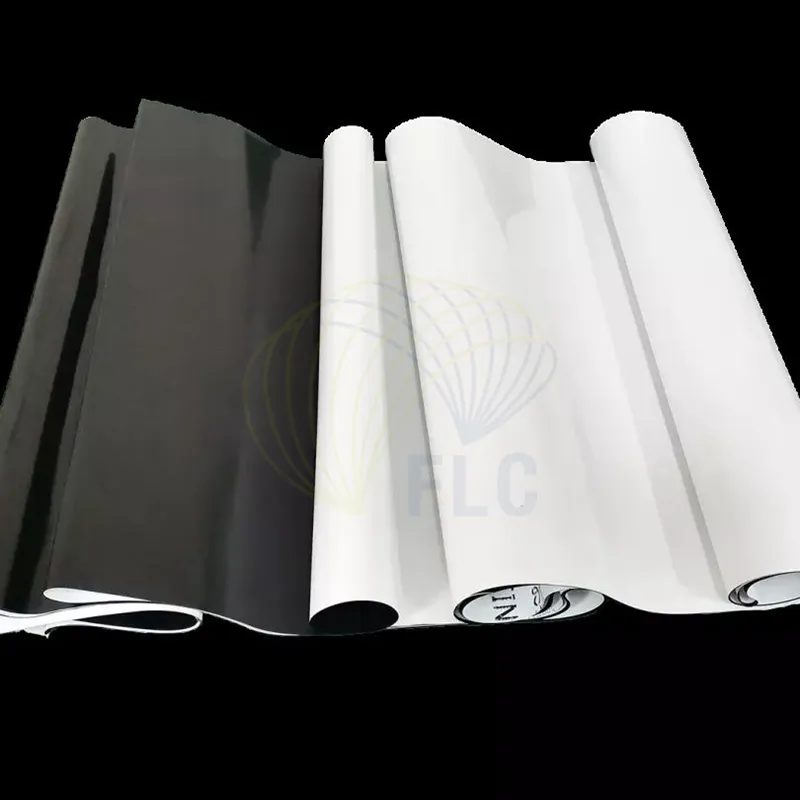
要旨
温室用フィルムは、主にポリエチレンから作られた、高度な多層ポリマー被覆材で、制御された農業環境を作り出すために設計されています。これらのフィルムは単なる受動的なバリアではなく、温室内の気候を操作して作物の成長、収量、品質を最適化するように設計された能動的なコンポーネントである。その効力は、光透過性や拡散性、保温性、環境ストレスに対する耐久性、化学添加物による特殊機能など、主要な特性の組み合わせによって決まる。適切な温室用フィルムの選択は、南米の変わりやすい気候条件から、ロシアの寒い冬や中東の紫外線の強い地域まで、特定の地域の気候や、栽培される作物のユニークな生理学的要件に左右される複雑な決定である。これらの特性が互いに、また換気や固定機構など他の温室システムとどのように相互作用するかを微妙に理解することは、2025年の現代農業の状況において、収穫を成功させ利益を上げるための基本である。
要点
- 特定の作物に必要な光合成有効放射量(PAR)に基づいてフィルムを選択します。
- 寒冷地では保温フィルムを使用し、エネルギーコストを削減する。
- お住まいの地域の日射量に適したUV安定剤入りのフィルムをお選びください。
- 高品質のくねくねワイヤーを使って温室用フィルムを適切に設置することで、最大限の寿命と性能を確保することができます。
- 滴下防止剤は、植物への水害や病気の蔓延を防ぐために不可欠である。
- 焦げ付きを防ぎ、植物の均一な生育を促進するために、光拡散フィルムを検討する。
- フィルムの厚さと強度を、お住まいの地域の風荷重と積雪荷重に合わせます。
目次
- 現代農業の基礎温室効果フィルムを理解する
- 特性1:光の透過と拡散-作物を照らす技術
- 特性2:熱性 - 熱を閉じ込めて通年栽培を可能にする
- 特性3:耐久性と寿命 - フィルムの耐候性
- 特性4:特殊添加剤 - 特定のニーズに合わせたフィルムの調整
- 特性5:機械的特性 - 構造的完全性の隠れたヒーロー
- 地域と作物に適した温室用フィルムの選択
- インストールとメンテナンス:フィルムの寿命を最大限に延ばす
- より広いシステム:フィルムと他の温室構成要素との統合方法
- よくある質問(FAQ)
- 最終的な考察
- 参考文献
現代農業の基礎温室効果フィルムを理解する
理想的な気候のポケットで、自然の気まぐれから守られながら植物が繁茂する。この管理された環境の中心にあるのが、栽培と野生を隔てる半透明のバリアである。何世紀もの間、その皮膚はガラスだった。重く、壊れやすく、高価なものだった。今日、保護された農業の風景は、より汎用性が高く、軽量で、技術的に進歩した素材である温室用フィルムによって一変した。温室用フィルムは、単なるプラスチックシートをはるかに超えた、洗練された農学の道具なのだ。
温室効果フィルムとは?簡単な例え
高度に専門化されたアウトドア遠征のための服装を想像してみてほしい。シンプルなコットンシャツは着ないだろう。その代わりに、防水性のアウターシェル、保温性のミッドレイヤー、吸湿発散性のインナーを備えた多層構造のジャケットを選ぶだろう。それぞれの構成要素が明確な目的を果たし、連携してあなたの安全性と快適性を保つのだ。
現代の温室用フィルムは、作物に対してもほぼ同じように機能する。フィルムは単一の均一な素材ではありません。一般的には共押出ポリエチレンフィルムで、3層、5層、あるいはそれ以上の層が融合した複合材料です。各層には異なる添加物や特性を持たせることができる。ある層は強度を、別の層は太陽光を散乱させるように、第3の層は熱を閉じ込めるように、第4の層は紫外線による劣化に耐えるように設計されているかもしれない。最終製品である温室用ポリエチレンフィルムと呼ばれるシートは、複雑な一連の作業を同時に行うように設計された、材料科学の証である。それは、植物が成長するための完璧な条件を提供しながら、要素からあなたの植物を保護するジャケットです。
ガラスからポリエチレンへの進化
ガラス板から高分子フィルムへの移行は、効率性、拡張性、精密性へと向かう農業の幅広いシフトを反映している。ガラス温室は美しく長持ちするが、大きな障壁がある。その重さは、重くて高価な支持構造を必要とする。壊れやすいため、ひょうや石、熱衝撃に弱い。材料費も人件費もかかるため、大規模な栽培には不向きである。
20世紀半ばのポリエチレン(PE)の登場は、画期的な選択肢を提供した。初期のPEフィルムはシンプルな単層シートで、低コストで構造物を覆い、栽培期間を延ばすことができた。大きな前進ではあったが、問題もあった。太陽光の下では劣化が早く、1シーズンしか使用できないことが多かった。また、保温性が低く、結露が常に問題となっていた。
真のブレークスルーは、共押出技術と高度な化学添加剤の開発によってもたらされた。科学者とエンジニアは、ポリエチレン樹脂に特定の分子を配合する方法を学んだ。劣化を防ぐために紫外線安定剤が導入され、フィルムの寿命が数ヶ月から数年に延びた。赤外線(IR)遮断剤は、夜間に熱を閉じ込めるサーマルフィルムを作るために加えられた。界面活性剤を使用し、防滴コーティングを施した。このような絶え間ない技術革新により、温室用フィルムは安価なガラスの代用品から、多くの用途において優れた技術へと昇華した。温室用フィルムは、より軽く、より安価で、より安全に設置でき、そして最も重要なことは、ガラスでは不可能だったカスタマイズが可能であるということです。
ポリエチレン(PE)が市場を支配する理由
PVC(ポリ塩化ビニル)、EVA(エチレン酢酸ビニル)、ポリカーボネートなど他のポリマーも存在するが、ポリエチレンは温室用フィルムの王者として君臨している。その優位性の理由は、性能、コスト、汎用性の組み合わせに根ざしている。
PEは、低密度タイプ(LDPE)と直鎖状低密度タイプ(LLDPE)のものがあり、柔軟性、強度、光学的透明度のバランスに優れている。PEは比較的安価に製造できるため、商業農業で一般的な広大な面積をカバーするための大きな要因となっている。化学的な観点からは、その単純な炭化水素構造が、現代的なフィルムの特徴であるさまざまな性能向上添加剤を受け入れるベースとなっている。
さらに、PEフィルムの製造工程は高度に洗練されている。共押出により、各層の特性を微調整できる多層フィルムを作ることができる。例えば、5層フィルムの場合、外層は耐UV性と防塵性、中間層は機械的強度と耐引裂性、内層は保温性と防滴性を持たせることができる。このようなレベルのカスタマイズにより、メーカーは、温帯気候の高設トンネル用の基本的なフィルムから、砂漠の過酷な環境でハイテク野菜を栽培するための高度で長寿命の保温フィルムまで、膨大な製品ポートフォリオを作ることができる。この適応性こそが、温室用ポリエチレンフィルムが世界の多くの保護園芸の基礎素材となっている理由なのです。
特性1:光の透過と拡散-作物を照らす技術
光は植物の命の通貨である。二酸化炭素と水を茎、葉、果実、花を作る糖分に変換する基本的なプロセスである光合成を動かすエネルギー源である。温室用被覆資材の主な役割は、植物に届く光を管理することです。温室用フィルムが太陽光をどのように透過、散乱、変化させるかは、おそらく最も影響力のある特性である。単に最大限の光を取り入れるということではなく、適切な種類の光を適切な方法で届けるということなのです。
光のスペクトルPARとその意義
太陽の光は、私たちの目には白く見えるが、実際には短波長の紫外線(UV)から長波長の赤外線(IR)まで、さまざまな波長が合成されている。しかし、植物には選択性がある。光合成活性放射(PAR)として知られる範囲である。この範囲は、可視光線のスペクトルにほぼ相当し、約400~700ナノメートル(nm)である。
効果的な温室用フィルムは、PAR領域の透過率が高くなければならない。この光を遮りすぎるフィルムは、文字通り植物にエネルギーを与えず、生育が遅くなり、茎が弱くなり、収量が低下します。今日のトップクラスの温室用フィルムは、90%以上のPAR透過率を誇ります。
しかし、話はPARだけで終わらない。スペクトルの他の部分も重要なのだ。紫外線(400nm以下)は、フィルム自体にダメージを与える一方で、色づき、葉の厚さ、ある種の菌類に対する抵抗力といった植物の特性にも影響を与える。近赤外光(700nmより少し上)は、植物の伸長や開花反応に影響を与える。したがって、高機能フィルムは単なる透明な窓ではなく、温室に入る光のスペクトル組成を最適化するように設計された選択フィルターなのです。
直接光と拡散光:2つの成長の物語
正午の晴れた空の下にある植物を想像してみてほしい。太陽の光が直接降り注ぎ、鋭く暗い影ができる。植物の上部の葉は強烈な、焼け付くような光を浴びているが、下部の葉は完全に陰になっている。上部の葉の光合成は飽和状態になるか、あるいはダメージを受ける(光阻害)可能性があるが、下部の葉は生産性が低いままである。
では、同じ植物が薄くて明るい雲に覆われている日を想像してみよう。光は散乱し、あらゆる方向からやってくる。きつい影はない。上から下まで、植物全体がソフトで均一な光に包まれる。上部の葉は圧倒されることなく十分な光を受け、以前は影になっていた下部の葉は活発に光合成をしている。植物全体がより効率的に働いているのだ。
これが光拡散温室用フィルムの原理だ。このフィルムには、入射する太陽光を散乱させる特殊な添加剤が含まれている。単一の厳しい光線ではなく、光は分割され、さまざまな角度に方向転換される。そのメリットは大きい。拡散された光は、温室の構造自体や植物自身の上部キャノピーからの影を減らします。上部の葉の温度を下げ、ストレスや水分の損失を減らします。キャノピー下部の生産性を高め、植物全体の光合成を大幅に増加させます。トマト、キュウリ、ピーマンのような背の高い作物や、密植された葉物野菜では、収量と品質への効果は劇的なものとなる。透明フィルムと拡散フィルムの選択は、栽培者にとって最も重要な決断のひとつです。
表1:作物別の光透過特性の比較
| 作物の種類 | 推奨フィルムタイプ | キーライト・プロパティ | 根拠 |
|---|---|---|---|
| 果菜類(トマト、ピーマン) | 高拡散フィルム | 拡散光(50-75%ヘイズ) | 上部の葉や果実の焼け焦げを防ぎ、密生したキャノピーを光が確実に透過して下部の果実を熟成させ、全体的な成長を促進する。 |
| 葉物野菜(レタス、ほうれん草) | 中拡散フィルム | 均一な配光 | デリケートな葉の焼けを防ぎ、株床全体の生育を均一にする。 |
| 切り花(バラ、カーネーション) | 高PAR透明または低拡散フィルム | 高PAR透過率(>90%) | 開花と長い茎の発達のために光エネルギーを最大化する。ある程度の拡散は有益であるが、光量は二の次である。 |
| 苗床/増殖(苗木) | 高拡散フィルム | 優しく拡散された光 | 健全な根とシュートの発育に十分なエネルギーを供給しながら、若く傷つきやすい苗を強い光ストレスから守る。 |
特性2:熱性 - 熱を閉じ込めて通年栽培を可能にする
温室を作る主な理由は、外気温が低すぎるときに作物を育てるためである。温室が周囲より暖かく保てるのは、"温室効果 "の働きによるものだ。太陽光が入り、土壌や植物、その他の物体によって吸収され、長波赤外線(IR)として再放射される。温室効果フィルムの重要な特性は、この放射される赤外線を遮断し、熱を内部に閉じ込めることである。
温室効果の小型化
晴れた日の愛車を思い浮かべてほしい。太陽の光はガラス窓を簡単に通り抜ける。その熱はシートやダッシュボードを温める。その熱は放射されて戻ってくるが、波長が長く、ガラスを簡単に通り抜けることができない。車内は暑くなる。温室もこれとまったく同じ原理である。
一般的な非遮熱ポリエチレンフィルムは、実は長波赤外線に対して非常に透明である。つまり、太陽が沈むと同時に、日中に蓄積された熱が夜空に逃げ戻ってしまうのだ。温室内の温度は急降下し、あっという間に外気温に近づいてしまう。このため、冷涼な気候の栽培農家にとっては、暖房設備が最大の経営経費となることが多い。
サーマルフィルムの仕組み:赤外線(IR)放射を遮断する
そこで、IRフィルムとも呼ばれる温室用フィルムが威力を発揮する。これらのフィルムは、ミネラルベースの粘土やEVAのような特定の共重合体など、特殊な添加物を使って製造されており、フィルムの1層以上に配合されている。これらの添加剤は、長波赤外線(特に7,500~14,000nm)に対して選択的に不透過となる。
日中、フィルムは植物の成長に必要なPAR光に対して高い透明度を保つ。しかし夜間、地面と植物が蓄えた熱を放射し始めると、サーマルフィルムはその熱を反射する鏡のような役割を果たし、熱の大部分を温室内に反射します。放射熱を閉じ込めるこの単純な作用により、温室内は一晩中、標準的なフィルムよりも数℃も暖かく保たれるのです。
そのメリットは多岐にわたる。まず第一に、暖房燃料の劇的な節約につながる。15~30%、あるいはそれ以上の削減が一般的に報告されている(Sethi & Sharma, 2007)。第二に、夜間の平均気温が高くなることで、植物の生育がより旺盛になり、収穫の早期化につながる。第三に、作物への霜害のリスクが減少する。最後に、葉温が高くなることで、低温の葉に結露が生じると繁殖する特定の病害の発生を抑えることができる。
保温性のバランス:地域的考察
もちろん、サーモニクスの必要性は地理に大きく左右される。ロシアや米国北部、南米の山岳地帯の生産者にとって、高品質の遮熱フィルムは贅沢品ではなく、年間を通じて生産するための基本的な条件です。エネルギーの節約だけで、フィルムの高い初期費用を1シーズンでペイできる。寒い冬でも最適な栽培温度を維持できるかどうかが、儲かるビジネスか失敗するビジネスかの分かれ目となる。
逆に、東南アジアの高温多湿な気候や、中東の乾燥した暑さの生産者にとっては、より多くの熱を閉じ込めることは最も避けたいことかもしれない。これらの地域では、熱を保持することではなく、熱を除去することが第一の課題であることが多い。このような地域では、日没後に構造体ができるだけ急速に冷却されるように、熱容量が非常に小さいフィルムが望ましいかもしれない。しかし、暑い気候であっても、砂漠では夜間に驚くほど気温が下がることがある。日中の温度変化を注意深く分析する必要がある。このことは、フィルム選択における中心的なテーマを浮き彫りにしている。最適な選択は、常に特定の気候と栽培者の目的との関数である。
特性3:耐久性と寿命 - フィルムの耐候性
温室用フィルムは投資である。生産者は、フィルムが数週間や数ヶ月だけでなく、数年にわたりその機能を発揮してくれることを期待している。環境の容赦ない攻撃に耐えられるかどうかが、フィルムの耐久性である。フィルムが早期に破損してしまうと、初期投資の損失となるだけでなく、作物の壊滅的な損失や、コストと労力のかかる温室の張り替え作業につながることもある。フィルムの寿命を決める主な要因は、紫外線(UV)放射、化学薬品への暴露、物理的ダメージに対する耐性です。
フィルムの敵:紫外線劣化、化学物質、物理的ストレス
ポリエチレン温室用フィルムの最大の敵は、太陽そのものです。太陽スペクトルの紫外線部分は高エネルギーの光子を運び、フィルムの強度と柔軟性を与えている長いポリマー鎖を攻撃します。光分解として知られるこのプロセスは、鎖を細かく切断する。その結果、フィルムは霞んだり黄色くなったりして、光学的な透明度が失われる。劣化が進むと、フィルムは弾力性を失い、もろくなる。引っ張り強度や引き裂き強度が失われる。最終的にフィルムはひび割れ、剥がれ、崩壊し、風雨の嵐に見舞われると、しばしば派手に破損する。
化学物質も重大な脅威である。多くの農薬や殺菌剤、特に硫黄やハロゲン(塩素や臭素など)を含む農薬や殺菌剤は、ポリマー構造を攻撃し、さらに重大なことに、フィルム内のUV安定剤パッケージを攻撃する可能性がある。高い日射量、熱、農薬の相互作用はフィルムの劣化を劇的に早め、4年のフィルム寿命を2年以下にしてしまうこともある。
最後に、物理的ストレスがある。風が吹くとフィルムがはためき、温室の構造とこすれ合う。雹や大雨は、衝撃によるダメージを与えます。積雪はフィルムを限界以上に引き伸ばします。設置中に工具で穴を開けたり、破れたりすると、後に大きな故障につながる弱点が生じます。
紫外線安定剤の役割:HALSと紫外線吸収剤
光劣化に対抗するため、メーカーは紫外線安定化添加剤の洗練されたパッケージをフィルムに組み込んでいる。これらは、フィルムが現場で3年、4年、あるいはそれ以上長持ちするための秘密の成分である。これらの安定剤には主に2つのクラスがある。
ベンゾフェノンなどの紫外線吸収剤は、微小な日焼け止めのような働きをします。有害な紫外線を吸収し、無害な低レベルの熱として発散させ、ポリエチレンのポリマー鎖に紫外線が到達して損傷するのを防ぎます。
ヒンダードアミン系光安定剤(HALS)は、別の、そして非常に巧妙なメカニズムで機能する。紫外線そのものを止めるのではない。その代わり、スカベンジャーとして機能する。紫外線がポリマー鎖に当たって反応性の高い「フリーラジカル」を発生させると、HALS分子は直ちにこのフリーラジカルを見つけて中和し、劣化が広がる前に連鎖反応を止める。HALSは、ポリマーマトリックスにダメージがないか常に監視し、分子レベルで修復する、自己治癒力の一種である。
最良の温室用フィルムは、紫外線吸収剤とHALSの両方を相乗的に組み合わせて使用している。安定剤パッケージの具体的な種類と濃度は、対象地域で予想される紫外線暴露量に合わせて調整される。南米のアンデス山脈や中東の過酷な砂漠地帯の強烈な高地の日差しを想定したフィルムは、北欧のそれほど強くない日差しを想定したフィルムよりも、はるかに堅牢で高価なUVパッケージとなります。4年フィルム」を購入するということは、単に厚いプラスチックを購入するということではなく、決められた条件下で決められた期間長持ちするように精密に設計された化学システムを購入するということなのです。
表2:フィルムの耐久性因子と期待寿命
| 耐久性要因 | 説明 | 寿命への影響 | 緩和戦略 |
|---|---|---|---|
| 紫外線 | 高エネルギーの太陽光線がポリマーの鎖を切断し、脆さや破損の原因となる。 | フィルムの寿命を決定する最も重要な要素である。 | お住まいの地域の日射強度と希望する寿命(例:1年用フィルムと4年用フィルム)に適合するUV安定剤パッケージ(HALS、UV吸収剤)を使用したフィルムをお選びください。 |
| 化学物質への暴露 | 農薬や殺菌剤(特に硫黄やハロゲンを含むもの)は紫外線安定剤を不活性化させる可能性がある。 | フィルム寿命が50%以上短くなる可能性がある。 | 化学的適合性については、メーカーのガイドラインを参照してください。耐薬品性安定剤パッケージのフィルムを選ぶ。スプレー後はフィルムをすすいでください。 |
| 熱 | 高温は、ポリマーの分解を含むあらゆる化学反応の速度を加速する。 | 特に紫外線や化学薬品と組み合わせると、寿命が著しく短くなる。 | Ensure proper ventilation with a well-designed ventilation system and circulation fan to prevent excessive heat buildup on the film surface. |
| Physical Stress | Wind, snow, hail, and abrasion against the greenhouse structure. | Causes tears, punctures, and stretching, leading to premature failure. | Ensure the film is installed tightly and securely using a reliable fastening system like a wiggle wire and wiggle wire channel. |
特性4:特殊添加剤 - 特定のニーズに合わせたフィルムの調整
Beyond the core properties of light, heat, and durability, the true genius of modern greenhouse films lies in the array of specialized additives that can be incorporated to solve specific agronomic problems. These additives transform the film from a passive covering into an active participant in managing the greenhouse environment, directly influencing plant health, water management, and even pest control. They represent the cutting edge of polymer science applied to agriculture.
Anti-Drip/Anti-Fog Properties: Managing Condensation
One of the most common and damaging phenomena inside a greenhouse is condensation. As the air inside the greenhouse, warm and humid from plant transpiration, comes into contact with the cooler surface of the film at night, it cools below its dew point, and water vapor condenses into liquid droplets. On an untreated film, surface tension causes this water to form large, hemispherical droplets on the ceiling.
These droplets cause a cascade of problems. First, they reduce light transmission in the morning, reflecting sunlight back out of the greenhouse just when the plants need it most. Second, and more destructively, these large droplets will eventually fall onto the plants below. This sudden drenching can cause direct physical damage to delicate leaves and flowers. More importantly, it creates a film of water on the plant surface, providing the perfect breeding ground for fungal and bacterial diseases like Botrytis (grey mold) and Downy Mildew.
Anti-drip (also called anti-condensation) films solve this problem. They contain additives called surfactants, which are incorporated into the innermost layer of the film. These surfactants work by reducing the surface tension of the water. Instead of forming droplets, the condensing water spreads out into a thin, uniform, transparent sheet. This sheet flows down the curve of the greenhouse roof to the side walls, where it can be channeled away.
The benefits are immediate. Light transmission in the morning is significantly improved. The risk of water-related diseases is drastically reduced, which in turn lowers the need for chemical fungicides. The overall health and quality of the crop are enhanced. For any grower producing high-value crops, an anti-drip feature is practically non-negotiable. It is a small additional cost that pays for itself many times over in reduced crop loss and improved quality.
Anti-Dust Additives: Maintaining Clarity
A greenhouse film is an investment in light. Anything that blocks that light reduces the return on that investment. Over time, the outer surface of a film can accumulate a layer of dust and dirt, particularly in arid or industrial areas. Polyethylene naturally carries a static electrical charge on its surface, which actively attracts and holds onto airborne dust particles.
To combat this, manufacturers can incorporate anti-dust additives. These additives work by giving the film's surface hydrophilic (water-loving) properties and reducing its static charge. This makes the surface smoother and less "sticky" to dust particles. When it rains, the water sheets off more effectively, washing the dust away with it. The result is a film that stays cleaner for longer, maintaining its high light transmission and reducing the need for manual cleaning. For growers in the dusty conditions often found in the Middle East, parts of South Africa, or agricultural plains, an anti-dust feature can be a simple but effective way to protect their primary asset: sunlight.
UV-Blocking and Bee-Friendly Films
While we discussed UV stabilizers that protect the film itself, other additives can be used to manipulate the UV light that enters the greenhouse. UV-blocking films are designed to absorb or reflect almost all UV radiation below a certain wavelength (e.g., 380 nm). These films were initially developed because they have a remarkable effect on certain insects. Many pests, like thrips and whiteflies, use UV light for navigation. By eliminating the UV from their environment, the insects become disoriented and less active, and their populations can be significantly reduced. This offers a powerful, non-chemical method of pest control. These films can also reduce the sporulation of certain fungal pathogens like Botrytis.
However, there is a complication. Pollinating insects, most notably bumblebees, also use UV light to navigate and to identify flowers. In a greenhouse covered with a UV-blocking film, bees can become lost and inactive, leading to poor pollination of crops like tomatoes and melons.
This led to the development of "bee-friendly" or "pollinator-friendly" films. These are a clever compromise. They block the specific UV wavelengths used by pests while allowing the transmission of the wavelengths that bees need for navigation. This allows the grower to get the pest-control benefits of UV blocking without sacrificing the essential work of their pollinators. This kind of targeted light manipulation is a perfect example of how deeply greenhouse film technology is intertwined with plant and insect biology.
Disease Control Films: The Power of Light Manipulation
The latest frontier in film technology involves using additives that alter the spectrum of visible light to control plant diseases. Research has shown that certain wavelengths of light can suppress the sporulation and growth of fungal pathogens. For example, some experimental films are designed to absorb or block specific red and far-red wavelengths that are known to trigger spore development in pathogens like Downy Mildew and Powdery Mildew. While still an emerging technology, these "disease control" films represent a paradigm shift, moving the film's role from passive protection to active, preventative disease management, further reducing the reliance on chemical sprays.
特性5:機械的特性 - 構造的完全性の隠れたヒーロー
While optical and thermal properties often get the most attention, the raw physical strength of a greenhouse film is what holds the entire system together. A film with perfect light transmission and thermicity is useless if it tears in the first strong wind. The mechanical properties—tensile strength, tear resistance, and elasticity—are the unsung heroes that ensure the film can withstand the stresses of installation and the long-term battery of the elements. These properties are determined by the specific types of polyethylene resins used and the manufacturing process itself.
Tensile Strength, Tear Resistance, and Puncture Resistance
These three properties define a film's toughness.
Tensile Strength is a measure of the maximum stress a film can withstand while being stretched or pulled before breaking. A high tensile strength is crucial for the film to resist the constant load from wind pressure and the weight of snow. It ensures the film remains taut and does not sag over time.
Tear Resistance is perhaps even more important in a real-world setting. It is the film's ability to resist the propagation of a tear once it has started. A small puncture from a sharp object or a snag during installation is almost inevitable. A film with poor tear resistance will allow that small nick to quickly run across the entire sheet during a wind event, leading to a complete failure. A film with high tear resistance, often achieved by using specific metallocene-based polyethylene resins in its core layers, will contain the damage, preventing a small problem from becoming a catastrophe. This property is what allows for temporary repairs with greenhouse tape to be effective.
Puncture Resistance is the film's ability to withstand being pierced by a sharp object, be it a tool, a piece of hail, or a sharp corner on the greenhouse frame. It is closely related to tensile strength but is also influenced by the film's flexibility.
The Importance of Elasticity (Elongation)
Elasticity, or elongation at break, is a measure of how much a film can stretch before it ruptures. One might think that a stiffer, less stretchy film is stronger, but that is not always the case. A certain amount of elasticity is vital. It allows the film to absorb the energy of sudden gusts of wind or the impact of hail without breaking. Think of it like the suspension on a car. A rigid frame would transfer every bump directly to the occupants, while a good suspension absorbs the shock. A film with good elongation can flex and give under stress, then return to its original shape.
However, there is a balance. Too much elasticity can be a problem, as the film may stretch permanently under load (a phenomenon called "creep"), leading to sagging. A well-engineered film has just the right amount of "give" to handle dynamic loads without losing its shape over time. This balance is achieved by carefully blending different types of polyethylene, such as LLDPE for flexibility and LDPE for stiffness.
How These Properties Interact with Greenhouse Structures
The mechanical properties of greenhouse films cannot be considered in isolation. They are part of a system that includes the greenhouse frame and, crucially, the fastening method. The strongest film in the world will fail if it is not secured properly. The film needs to be pulled drum-tight during installation. A loose film will flap in the wind, a motion called "luffing." This constant movement not only causes abrasive wear as the film rubs against the structure but also puts immense, repeated stress on the material, leading to fatigue and premature tearing.
This is where a high-quality fastening system, such as a wiggle wire and channel, becomes absolutely essential. The wiggle wire (or spring lock) fits into a corresponding aluminum or steel channel (the wiggle wire channel), creating a continuous, secure grip along the entire edge of the film. This system distributes the load evenly, preventing stress concentrations that can occur with single-point attachments like screws and battens. It allows the film to be tensioned properly and holds it firmly in place, transforming the film and the frame into a single, integrated structural unit capable of withstanding significant environmental loads. The interaction between the film's mechanical properties and the security of the wiggle wire channel is fundamental to the longevity of the entire covering.
地域と作物に適した温室用フィルムの選択
The process of choosing a greenhouse film is a complex equation with many variables. There is no universal solution. The optimal film for a rose grower in the cool, high altitudes of Colombia will be vastly different from the ideal film for a tomato farmer in the hot, dry plains of South Africa, or a cucumber producer weathering a Russian winter. The decision requires a thoughtful analysis of your specific climate, the unique needs of your crop, and your business objectives.
Climate Analysis: South America's Diversity
The South American continent presents a staggering variety of climates, making film selection a highly localized exercise.
Imagine a flower grower near Bogotá, Colombia, at 2,600 meters. The sun is intense (high UV), but daytime temperatures are mild and nights are cool. Here, a high-quality, long-life (4-year) film with a robust UV stabilizer package is paramount. A high-diffusion film would be highly beneficial to protect delicate flower petals from scorching and to ensure light penetrates the dense canopy of rose bushes. A good thermal film (IR) would be valuable for retaining heat during the cool nights, reducing the need for heating and preventing sudden temperature drops. An anti-drip feature is also a must-have in this humid environment to prevent Botrytis, a major threat to flower quality.
Now, consider a melon grower in the arid coastal regions of Peru or northern Chile. Here, the challenges are intense solar radiation and heat. A film with the absolute best UV stabilization is required. Light diffusion is still beneficial to prevent fruit scalding. However, a high degree of thermicity might be undesirable, as the goal is often to vent heat as quickly as possible. The grower might even opt for a film with a near-infrared reflective additive to block some of the sun's heating power.
Cold Weather Challenges: Insights for Russian Growers
For a vegetable producer in the vast agricultural regions of Russia, the defining challenge is the long, cold, and often dark winter. The primary goal is heat retention and maximizing limited light.
The choice is clear: a top-of-the-line thermal film is not optional, it is essential. A film with the highest possible IR-blocking capability will directly translate into massive savings on heating fuel, which is the dominant operational cost. Every degree of temperature retained overnight is money saved.
Light transmission is also a major concern. During the short winter days, every photon counts. The grower must select a film with the highest possible PAR transmission (>90%). In this context, a super-clear film might seem appealing, but a low-to-medium diffusion film is often a better choice. It ensures that the limited light is distributed more evenly throughout the plant canopy, making the entire plant more efficient. An anti-drip coating is also vital, as condensation is a certainty in a heated greenhouse during a cold winter, and the associated diseases can be devastating. Durability is also a factor, as the film must be strong enough to handle snow loads, which requires both high tensile strength and proper installation with a secure wiggle wire system.
High Heat and UV: Solutions for the Middle East and South Africa
Growers in the Middle East and much of South Africa face a different set of extremes: intense, relentless UV radiation and prolonged periods of high heat.
The number one priority is longevity. The UV stabilizer package must be the most powerful available, specifically formulated for high-radiation, high-temperature environments. A film that lasts four years in Europe might only last two years here without the right protection.
Heat management is the second major challenge. The goal is to keep the greenhouse from overheating. This can be approached in several ways. A high-diffusion film is a good start, as it scatters light and reduces the direct heating of the upper plant canopy. Some growers might opt for "smart" films that contain thermoregulating additives which reflect a portion of the near-infrared (heat) radiation while still allowing maximum PAR light to pass through. In extreme cases, growers may even use colored or shaded films, though this comes at the cost of reduced PAR light and is generally a less efficient solution than pairing a clear film with a separate, retractable shade cloth. A robust ventilation system, often featuring a powerful gear motor for automated roof vents, is a critical partner to the film in these climates.
Crop-Specific Needs: From Leafy Greens to Fruiting Vegetables
Beyond climate, the crop itself dictates film choice.
Fruiting Vegetables (Tomatoes, Peppers, Cucumbers): These are tall, dense plants. A high-diffusion film is almost always the best choice. It prevents the upper leaves from being scorched and ensures that light filters down to the lower parts of the plant, promoting even ripening and maximizing total yield. A UV-blocking film can help control pests like whiteflies, but a bee-friendly version must be used if bumblebees are required for pollination.
Leafy Greens (Lettuce, Herbs): These are low-growing, delicate crops. They are susceptible to burning under direct sun. A medium-diffusion film is ideal. It provides uniform light and prevents hot spots. Since these are often grown in high-density systems, good light distribution is key to uniform growth and preventing some plants from being shaded out by their neighbors.
Cut Flowers (Roses, Lilies): The primary goal here is often maximizing light intensity to produce long stems and a high number of blooms. A very high-transmission, clear, or low-haze film is often preferred. However, for regions with very intense sun, a low level of diffusion can be beneficial to prevent petal burn without significantly reducing total light energy.
The selection process is a dialogue between the environment, the plant, and the grower's goals. A thoughtful choice from a diverse range of greenhouse polyethylene film options is the first step toward a successful harvest.
インストールとメンテナンス:フィルムの寿命を最大限に延ばす
Purchasing a technologically advanced, multi-year greenhouse film is only half the battle. Its potential lifespan and performance can be squandered through improper installation and neglect. The care taken during the installation process and the routine maintenance performed thereafter are just as important as the initial selection. A properly installed and maintained film will meet or even exceed its expected life, while a poorly handled one can fail in a fraction of the time.
The Crucial Role of Secure Fastening: Wiggle Wire and Channel Systems
The interface between the film and the greenhouse structure is a point of immense stress. Wind forces are concentrated at the attachment points. An inadequate fastening system is the most common cause of premature film failure. Old methods like using wooden battens and screws create localized stress points and potential puncture sites.
This is why the modern standard for professional greenhouses is the wiggle wire and wiggle wire channel system. This two-part system consists of a base channel (often aluminum or galvanized steel) that is permanently attached to the greenhouse frame, and a springy, PVC-coated steel wire (the wiggle wire).
The installation process is straightforward but must be done correctly. The greenhouse film is laid over the channel, and the wiggle wire is then pressed into the channel in a continuous "wiggling" motion. The wire's spring tension locks the film firmly and evenly along the entire length of the channel.
The advantages of this system are enormous. It distributes the holding force over a continuous line, eliminating the stress points that lead to tears. It provides a superior, tighter grip, allowing the film to be tensioned properly to prevent wind flap. It makes installation and removal much faster and easier than with battens. It also allows for the easy installation of a double layer of film for inflation, creating an insulating air gap. Investing in a high-quality wiggle wire channel and wire system is not an area to cut corners; it is the fundamental insurance policy for your greenhouse film investment.
Proper Installation Techniques to Avoid Premature Failure
Beyond the fastening system, several other installation practices are vital.
Timing and Temperature: Install the film on a calm, overcast, and mild day. Installing on a very hot, sunny day will cause the film to expand. As it cools at night, it will shrink and become overtight, putting immense stress on the film and the structure. Conversely, installing on a cold day will result in a film that is too loose and saggy once it heats up.
Surface Preparation: Before pulling the film, inspect the entire greenhouse structure for any sharp edges, burrs, or points of abrasion. Cover these with a specialized, smooth greenhouse tape. Metal arches, especially if they are old or rusty, should be painted with a white, water-based latex paint. Dark or rusty surfaces can get extremely hot in the sun, and direct contact can literally cook and degrade the film.
Unrolling and Handling: Never drag the film across the ground. This can cause scratches and punctures that will become failure points later. Have enough people on hand to lift and carry the roll. Unroll it carefully along the length of the greenhouse. Pay attention to the "This Side Out" markings on the film. The outer layer contains the UV stabilizers and anti-dust properties, while the inner layer has the anti-drip coating. Installing it upside down will compromise its performance and longevity.
Tensioning: The film must be pulled taut in all directions, like a drum skin. Start by fastening one of the long sides completely. Then, pull the film across the width of the greenhouse and fasten the opposite side, working from the center out to the ends to smooth out wrinkles. Finally, tension and fasten the ends. A properly tensioned film will shed water and wind effectively and will not flap.
Cleaning and Repair: Simple Steps for Long-Term Performance
Over time, even a film with anti-dust properties will accumulate some dirt, reducing light transmission. A periodic cleaning can restore its clarity. Use a soft brush or sponge and a specialized greenhouse film cleaning solution or a simple mild soap and water. Never use harsh detergents or abrasive cleaners, as they can damage the film's coatings.
Small punctures or tears should be repaired immediately. If left unattended, they will grow. Use a dedicated greenhouse repair tape. Clean the area around the tear thoroughly before applying the tape to both sides of the film for a secure patch. A small, timely repair can prevent a complete re-covering.
The Function of a Film Reeler in Management
For growers using seasonal tunnels or those who need to retract the film for certain periods, a manual or motorized film reeler is an invaluable tool. This device attaches to the side of the greenhouse and allows the film to be rolled up smoothly and evenly. Using a film reeler prevents the creasing, folding, and abrasion that occurs when a film is removed and stored by hand. It dramatically extends the life of films that are not left on the structure year-round and simplifies the labor involved in covering and uncovering tunnels.
より広いシステム:フィルムと他の温室構成要素との統合方法
A greenhouse film, no matter how advanced, does not operate in a vacuum. It is the most visible part of a complex, integrated system where every component affects the others. The performance of the film is enhanced by, and in turn influences, the ventilation, air circulation, and automation systems of the greenhouse. A holistic view is necessary to achieve a truly optimized controlled environment.
Synergy with Ventilation Systems and Circulation Fans
The relationship between the film and the ventilation system is particularly intimate. The film's primary job is to trap energy, but without a way to release excess energy, a greenhouse would quickly overheat, even on a mild, sunny day. A ventilation system—whether it consists of passive roll-up sides and roof vents or active exhaust fans—is the primary tool for temperature and humidity control.
The type of film chosen impacts the ventilation strategy. A highly thermal film will require more ventilation to dump heat during the day. A film that diffuses light can help reduce the peak temperature on the upper leaves, slightly easing the load on the ventilation system.
Conversely, good ventilation is essential for the film's performance. An effective ventilation system helps to expel hot, humid air, reducing the incidence of condensation and the diseases that follow. This works hand-in-hand with the film's anti-drip properties. A good system also prevents the air layer directly under the film from becoming super-heated, which can accelerate the degradation of the polymer.
A circulation fan (often a Horizontal Air Flow or HAF fan) plays a complementary role. These fans do not exchange air with the outside; they simply move the air within the greenhouse. This movement helps to create a more uniform temperature from floor to ceiling and from end to end. It eliminates stagnant, humid pockets of air around the plants, further reducing disease pressure. By gently moving air across the inner surface of the film, a circulation fan can also help to evaporate condensation, supplementing the work of an anti-drip coating.
The Role of Gear Motors in Automated Venting
In modern commercial greenhouses, manual control of ventilation is impractical and inefficient. This is where automation, powered by a reliable gear motor, becomes critical. A gear motor is a compact unit that combines an electric motor with a reduction gearbox. This combination provides the high torque needed to open and close large, heavy roof vents or to operate long roll-up side walls.
These motors are connected to a central climate controller. The controller uses sensors to monitor temperature, humidity, and rain. When the temperature inside rises above a set point, the controller signals the gear motor to open the vents. When it cools down or if it starts to rain, the motor closes them. This automated system ensures that the environment inside the greenhouse is maintained within the optimal range 24/7, without the need for constant human intervention. The precision of this control allows the grower to fully leverage the properties of their chosen greenhouse film, creating an environment that is consistently ideal for plant growth.
A Holistic Approach to Controlled Environment Agriculture
Thinking of these components as a single, integrated system is the key to success. Your greenhouse film determines the baseline light and thermal environment. Your ventilation system and circulation fan provide the dynamic control over that environment. Your gear motor provides the power and precision for that control. And your wiggle wire system ensures the integrity of the entire covering. Each part supports the others. A weakness in one area—a poorly chosen film, an undersized ventilation system, or an insecure fastening method—will compromise the performance of the entire operation. A successful grower is not just a farmer; they are a systems integrator, orchestrating these technologies to create the perfect world for their crops. To find a supplier that understands this integrated approach, you can explore options from a full-service provider.
よくある質問(FAQ)
What is the difference between a 1-year and a 4-year greenhouse film? The primary difference lies in the quality and concentration of the UV stabilizer package mixed into the polyethylene. A 4-year film contains a much more robust and sophisticated blend of HALS and UV absorbers, engineered to withstand four years of solar radiation in a specific climate zone before degrading. A 1-year film has a minimal stabilizer package and is designed for single-season use in temporary structures like high tunnels. The thickness and mechanical strength may also differ, but the UV protection is the key factor determining the rated lifespan.
How often should I replace my greenhouse film? You should plan to replace your film at the end of its rated lifespan (e.g., every 4 years for a 4-year film). Pushing a film beyond its intended life is risky. The UV stabilizers become depleted, and the film becomes brittle and weak. It may look intact, but it will have lost its tear resistance and could fail completely in a single wind or snow event, leading to total crop loss.
Can I use any plastic sheet, like construction plastic, for my greenhouse? No, you should never use standard construction plastic (e.g., Visqueen) for a greenhouse. Construction plastic lacks the essential properties of a true greenhouse film. It does not have UV stabilizers and will become brittle and disintegrate in a matter of months under direct sun. It lacks optical clarity, anti-drip features, and thermal properties. Using it is a false economy that will lead to rapid failure and poor growing conditions.
Does the color of the greenhouse film matter? Yes, but most high-quality films are clear or have a slightly hazy/white appearance from diffusion additives. Some specialty films are colored. For example, white opaque films are used for mushroom houses or overwintering structures to block light completely. Some research has explored photoselective colored films (e.g., red or blue) to influence specific plant growth habits, but for general-purpose growing, a high-transmission clear or diffused film is the standard.
How do I properly secure the film to my structure? The most reliable and recommended method is using a two-part wiggle wire and channel system. The metal channel is attached to the greenhouse frame, and the film is laid over it. The PVC-coated wiggle wire is then pressed into the channel, creating a continuous, firm grip. This method distributes stress evenly and prevents the tears and failures common with less secure methods like stapling or using battens.
What impact does a good greenhouse film have on yield? The impact can be immense. A film with high PAR transmission provides more energy for photosynthesis. A diffusing film improves light distribution, making the entire plant more productive. A thermal film allows for year-round cultivation in cold climates. An anti-drip film reduces disease, preventing crop loss. By optimizing the growing environment, a high-quality greenhouse film directly translates to higher yields, better crop quality, and earlier harvests.
膜が厚いほど良いのでしょうか? Not necessarily. While thickness (measured in microns or mils) does contribute to mechanical strength, it is not the most important factor. The quality of the resins used and the presence of advanced additives are far more critical. A well-engineered 150-micron (6-mil) film made with superior resins and a 4-year UV package will be far more durable and effective than a cheap, 200-micron (8-mil) film with no UV protection. Focus on the rated lifespan and the specific properties (thermal, anti-drip, etc.) rather than just the thickness.
最終的な考察
The selection of a greenhouse film is a decision that resonates through every aspect of a growing operation. It is an act of balancing the demands of the local climate with the biological imperatives of the crop. It is a choice that directly influences energy consumption, disease pressure, labor requirements, and, ultimately, the economic viability of the enterprise. The film is not merely a roof; it is the primary interface between a carefully managed internal world and the often-unforgiving external one. Approaching this choice with a deep understanding of the material science and agronomic principles involved is the foundation upon which a successful and profitable harvest is built.
参考文献
Sethi, V. P., & Sharma, S. K. (2007). Survey of greenhouse technologies. Energy Conversion and Management, 48(8), 2357-2368.