
.png)




La liste de contrôle de l'acheteur 2025 : 5 étapes éprouvées pour choisir la bonne base de fil métallique Wiggle
6 septembre 2025
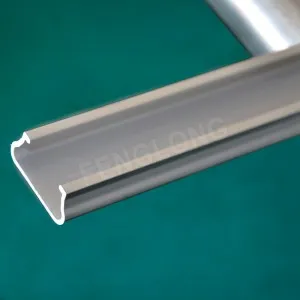
Résumé
Le choix d'une base en fil ondulé, ou d'un canal de verrouillage, représente une décision fondamentale dans la construction et la viabilité à long terme d'une serre. Ce composant, en apparence mineur, remplit la fonction vitale de fixer la couverture de la serre à son cadre structurel, ce qui a un impact direct sur l'intégrité de l'ensemble du système contre les facteurs de stress environnementaux tels que le vent, la pluie et la neige. Un mauvais choix peut précipiter une cascade de défaillances, entraînant des dommages coûteux à la couverture et une perte potentielle de récoltes. Cet article examine les cinq étapes critiques pour choisir la base de fil ondulé appropriée en 2025. Il fournit une analyse détaillée de la composition des matériaux, tels que l'aluminium et l'acier galvanisé, explore les nuances de la conception des profils pour la compatibilité avec différents films, et évalue l'influence profonde des conditions climatiques régionales sur la longévité des matériaux. En outre, il examine les meilleures pratiques en matière d'installation et d'entretien, et se termine par une discussion sur l'évaluation du coût total de possession et la fiabilité des fournisseurs. L'objectif est de fournir aux cultivateurs, qu'ils soient amateurs ou exploitants commerciaux à grande échelle, les connaissances nécessaires pour réaliser un investissement stratégique et éclairé dans le système de fixation de leur serre, garantissant ainsi la résilience de la structure et la tranquillité d'esprit de l'exploitation.
Principaux enseignements
- Évaluez minutieusement le climat local avant de choisir un matériau de base.
- Adaptez le profil de la base du fil ondulé à l'épaisseur spécifique de votre film ou de votre revêtement.
- Une installation correcte, y compris l'espacement correct des fixations, est primordiale pour la sécurité.
- Pensez à l'aluminium pour sa longévité supérieure et sa résistance à la corrosion dans les environnements difficiles.
- Inspectez régulièrement l'ensemble de votre système de fixation afin de prévenir l'usure.
- Optez pour des bases à double canal lorsque vous prévoyez d'utiliser des films ou des toiles d'ombrage gonflés à double couche.
Table des matières
- Étape 1 : Évaluation de la composition et de la durabilité des matériaux
- Étape 2 : Analyse de la conception et de la compatibilité des profils
- Étape 3 : Évaluer les facteurs climatiques et environnementaux
- Étape 4 : Planification de l'installation et de la maintenance
- Étape 5 : Prise en compte de la valeur à long terme et de la fiabilité des fournisseurs
- Foire aux questions (FAQ)
- Conclusion
- Références
Étape 1 : Évaluation de la composition et de la durabilité des matériaux
Le voyage vers une serre sûre et durable commence par un examen approfondi des matériaux à partir desquels ses composants sont fabriqués. La base en fil métallique n'est pas une exception ; en fait, la composition de son matériau est peut-être le facteur le plus important qui détermine sa durée de vie et ses performances. Imaginez qu'il s'agit de la base même de la façade de votre bâtiment. Une fondation fragile compromettra inévitablement tout ce qui est construit dessus. De même, une base en fil métallique qui se corrode, se plie ou s'abîme rendra inutile même le film de polyéthylène le plus avancé. Le choix se porte principalement sur deux matériaux : l'aluminium et l'acier galvanisé. Chacun présente une philosophie différente en matière d'investissement, de durabilité et de résilience, et la compréhension de leurs propriétés intrinsèques est la première étape d'une décision judicieuse.
Aluminium ou acier galvanisé : Un choix fondamental
Le choix entre l'aluminium et l'acier galvanisé n'est pas une simple question technique ; il reflète l'approche du producteur en matière de risque, de budget et de planification à long terme. L'acier, recouvert d'une couche protectrice de zinc, offre une résistance et un prix d'achat initial moins élevé, ce qui en fait une option intéressante pour ceux qui ont des contraintes budgétaires immédiates. L'aluminium, en revanche, a un coût initial plus élevé mais promet une résistance à la rouille tout au long de la vie et un degré de solidité surprenant pour son faible poids.
Considérons d'abord l'acier. La galvanisation consiste à appliquer une couche de zinc pour éviter la rouille. Toutefois, cette couche de zinc est sacrificielle. Dans les environnements humides, pluvieux ou côtiers, le zinc se corrode lentement et finit par exposer l'acier sous-jacent. Une fois que la rouille commence, elle peut être agressive, affaiblissant le canal et, pire encore, créant des surfaces abrasives qui peuvent déchirer le film de votre serre en cas de vent. La qualité de la galvanisation est très importante. La galvanisation à chaud, qui consiste à immerger l'acier dans du zinc en fusion, donne un revêtement plus épais et plus durable que l'électro-galvanisation, qui applique une couche plus fine par un processus électrochimique (Kinstler, 2021). Par conséquent, si vous envisagez d'acheter de l'acier, vous devez demander à votre fournisseur quelle est la méthode de galvanisation utilisée et quelle est l'épaisseur du revêtement.
L'aluminium présente un caractère différent. Il forme naturellement une couche passive et protectrice d'oxyde d'aluminium sur sa surface lorsqu'il est exposé à l'air. Cette couche est incroyablement résistante à la corrosion et se reforme instantanément en cas d'éraflure. C'est pourquoi on peut voir des cadres de fenêtres en aluminium vieux de plusieurs dizaines d'années qui ont toujours l'air impeccables. Pour une serre située sous les tropiques humides de l'Asie du Sud-Est ou dans l'air salin d'une côte du Moyen-Orient, cette propriété n'est pas seulement un avantage, c'est une nécessité. Bien que l'aluminium soit plus léger que l'acier, les extrusions de haute qualité sont conçues pour offrir une résistance exceptionnelle, capable de supporter des charges de vent importantes. La légèreté se traduit également par une manipulation et une installation plus aisées, ce qui permet de réduire les coûts de main-d'œuvre. Le principal obstacle est son prix initial plus élevé, qui peut être dissuasif. Mais il faut se poser la question suivante : est-il plus sage de payer moins cher aujourd'hui et de remplacer le composant dans cinq à sept ans, ou d'investir davantage pour un composant qui pourrait durer plus longtemps que le cadre de la serre lui-même ?
| Fonctionnalité | Base en aluminium de haute qualité | Base standard en acier galvanisé |
|---|---|---|
| Résistance à la corrosion | Excellent. Forme naturellement une couche d'oxyde protectrice. Idéal pour les régions humides/côtières. | Passable à bon. Dépend de l'épaisseur de la couche de zinc. La couche sacrificielle s'épuise avec le temps. |
| Poids | Léger. Plus facile à manipuler, à transporter et à installer sur le cadre de la serre. | Lourd. Nécessite plus d'efforts pour l'installer et augmente la charge permanente de la structure. |
| Coût initial | Plus élevé. Représente un investissement initial important. | Plus bas. Plus avantageux pour le budget de la phase initiale de construction. |
| Durée de vie | Plus de 20 ans. Souvent, il dure plusieurs fois plus longtemps que le film de serre. | 3 à 10 ans. Varie fortement en fonction du climat et de la qualité de la galvanisation. |
| Maintenance | Minime. Nécessite un nettoyage occasionnel. Ne rouille pas. | Nécessite une inspection régulière pour détecter les signes de rouille. Un remplacement peut s'avérer nécessaire. |
| Abrasion du film | Faible. La surface lisse est douce pour le film de serre. | Risque plus élevé. Les points de rouille peuvent créer des pointes acérées et abrasives qui déchirent le film. |
Comprendre les jauges et l'épaisseur
La résistance des matériaux ne dépend pas seulement de leur type, mais aussi de leur quantité. Lorsque vous consultez les spécifications d'une base de fil ondulé, vous rencontrerez des termes tels que "calibre" pour l'acier et "épaisseur" (souvent en millimètres ou en pouces) pour l'aluminium. Il ne s'agit pas de chiffres arbitraires, mais d'indicateurs directs de la robustesse du produit.
Pour l'acier galvanisé, le système de jauge peut être contre-intuitif : un numéro de jauge inférieur signifie que l'acier est plus épais et plus résistant. Par exemple, un profilé en acier de calibre 16 est plus épais et plus durable qu'un profilé de calibre 20. Pour une grande serre commerciale située dans une région soumise périodiquement à des vents violents ou à des charges de neige, il est prudent d'opter pour un acier de calibre plus élevé. Un acier plus fin et de calibre plus élevé peut suffire pour un petit tunnel de loisirs situé dans un endroit abrité, mais il présente un plus grand risque de se plier ou de se déformer sous l'effet de la contrainte. Cette déformation peut entraîner une perte d'adhérence du canal sur le fil de fer, ce qui peut provoquer une défaillance catastrophique de la couverture.
Pour l'aluminium, la mesure est plus simple : elle est généralement indiquée en tant qu'épaisseur directe, par exemple 1,5 mm. Comme pour l'acier, plus c'est épais, mieux c'est. Un profilé d'aluminium plus épais sera plus rigide et résistera à la flexion pendant l'installation et sous la charge. Il fournit également plus de matière pour maintenir solidement les filets des vis de montage. Lors de l'évaluation d'une base en aluminium pour fil ondulé, il convient de prêter une attention particulière à l'épaisseur des parois et à la substance générale du profil. Un profilé en aluminium léger est un signal d'alarme, car il peut avoir été fabriqué avec un minimum de matériau pour réduire les coûts, ce qui compromet sa fonction structurelle. D'un point de vue physique, la force exercée par un film de serre tendu, en particulier lorsqu'il est balayé par le vent, est immense. Cette force est concentrée à l'endroit même où le fil de fer ondulé presse le film dans la base. Une base à paroi mince n'est tout simplement pas équipée pour supporter cette pression soutenue pendant de nombreuses années.
Le rôle des revêtements et des finitions
Au-delà du métal de base lui-même, le traitement de surface joue un rôle protecteur essentiel. Comme nous l'avons mentionné, pour l'acier, le revêtement principal est le zinc. La différence entre la galvanisation à chaud et l'électro-galvanisation est une question de longévité. Les produits galvanisés à chaud, reconnaissables à leur aspect parfois cristallin ou pailleté, ont une couche de zinc beaucoup plus importante et sont bien mieux adaptés à une exposition extérieure de longue durée (American Galvanizers Association, 2022). L'acier électro-galvanisé a un aspect brillant et uniforme, mais sa couche de zinc est très fine et n'offre qu'une protection minimale contre l'humidité temporaire. Pour toute application sérieuse en serre, l'acier galvanisé par immersion à chaud devrait être la norme minimale si vous choisissez de ne pas utiliser l'aluminium.
L'aluminium, naturellement résistant à la corrosion, peut également être amélioré par des finitions. L'anodisation est un procédé électrochimique qui épaissit la couche d'oxyde naturelle, augmentant ainsi sa dureté et sa résistance à l'usure. Bien qu'elle ne soit pas strictement nécessaire pour la protection contre la corrosion, elle permet d'obtenir une finition plus uniforme et plus esthétique. Une finition plus courante et plus pratique est le revêtement par poudre. Dans ce processus, une poudre de résine polymère est appliquée sur l'aluminium, puis durcie à chaud pour former une peau dure et durable. Ce revêtement ajoute une autre couche de protection et permet la coloration, ce qui peut être utile pour des raisons esthétiques ou pour coder par couleur les différentes parties d'une grande serre. Un revêtement en poudre de qualité résistera à l'écaillage et à la décoloration, prolongeant ainsi l'aspect impeccable de la base du fil ondulé et ajoutant une couche de protection marginale, mais non négligeable. Lors du choix d'un fournisseur, le fait de s'informer sur ses procédés de revêtement peut en dire long sur son engagement en matière de qualité. Une entreprise qui fournit des spécifications détaillées sur l'épaisseur de la galvanisation ou le procédé de revêtement en poudre est une entreprise qui a pris en compte les performances à long terme de ses produits.
Étape 2 : Analyse de la conception et de la compatibilité des profils
Une fois que vous avez choisi un matériau, l'étape suivante concerne la forme physique - le profil - de la base du fil ondulé elle-même. Tous les canaux ne sont pas égaux. Leur conception dicte la façon dont ils interagissent avec le fil ondulé, le type et le nombre de couches de couverture qu'ils peuvent contenir et la manière dont ils traitent votre précieux film de serre. Un profil bien conçu est une pièce d'ingénierie élégante, qui maximise l'adhérence tout en minimisant les contraintes. Un profil mal conçu peut être une source constante de problèmes, du glissement du film à la déchirure prématurée. Il s'agit d'une poignée de main mécanique entre le cadre statique de votre serre et sa peau flexible, et la nature de cette poignée de main est importante.
Canal simple ou double (canal en U ou canal en C)
Le choix le plus fondamental est celui d'un canal simple ou d'un canal double. Une base à fil ondulé simple, souvent appelée canal en U, comporte un rail conçu pour accepter un fil ondulé. C'est le choix standard pour la plupart des applications où une seule couche de film pour serres est installée. Il est simple, efficace et économique. Pour de nombreux cultivateurs des climats tempérés, c'est tout ce dont ils ont besoin.
Le double canal, quant à lui, offre un monde de polyvalence. Ce profilé comporte deux voies adjacentes, essentiellement deux canaux fusionnés. Sa principale application est la création d'un toit gonflé à double couche de film polyéthylène. Dans ce cas, deux feuilles de film pour serres sont posées sur la structure, et les bords des deux feuilles sont fixés dans les deux canaux distincts de la base. Un petit ventilateur de gonflage pompe ensuite de l'air entre les deux couches, créant ainsi un coussin d'air isolant. Ce système de "double paroi" améliore considérablement la rétention thermique, réduisant ainsi les coûts de chauffage dans les climats plus frais comme ceux que l'on trouve dans certaines régions de Russie et d'Afrique du Sud (Blom, Straver, & Ingratta, 2003). Le double canal est la pièce maîtresse qui rend possible et simple cette technique d'économie d'énergie.
L'utilité d'un double canal ne s'arrête pas là. Imaginez que vous souhaitiez installer à la fois un film primaire en polyéthylène et une toile d'ombrage extérieure pour les chauds mois d'été au Moyen-Orient. Avec un double rail, vous pouvez fixer chaque revêtement dans son propre rail, ce qui permet une installation, une tension et un retrait indépendants. La même logique s'applique à l'installation d'une moustiquaire en même temps que le film principal. Cette flexibilité de superposition des couvertures est un outil puissant pour gérer l'environnement de la serre tout au long de l'année. Bien qu'un double canal ait un coût initial plus élevé et une empreinte plus large, l'adaptabilité qu'il offre peut être inestimable, ce qui en fait un investissement judicieux pour les cultivateurs qui prévoient de devoir modifier leur système de couverture à l'avenir.
La forme de la serrure : comment elle saisit le câble
Regardons de plus près, dans le canal lui-même. La géométrie interne de la base du fil perlé est un exemple de conception subtile mais efficace. L'objectif est de créer un canal qui saisisse fermement le fil perlé, empêchant ainsi le film de s'arracher, même sous l'effet d'un vent violent. Cependant, il doit le faire sans créer de points de pression aigus qui pourraient endommager le film.
Considérez le fil ondulé comme un ressort. Lorsque vous l'enfoncez dans le canal, il se dilate et pousse le film contre les parois intérieures de la base. Un canal bien conçu aura des bords intérieurs lisses et arrondis. Lorsque le fil presse le film contre ces surfaces, la force est répartie sur une zone plus large, ce qui réduit le risque d'abrasion ou de déchirure. À l'inverse, un canal fabriqué à partir de métal finement embouti peut présenter des bords tranchants, presque semblables à des couteaux. Au fil du temps, lorsque le film se dilate et se contracte sous l'effet des changements de température et du vent, ces arêtes tranchantes peuvent lentement scier le matériau, créant une déchirure au point de connexion le plus critique.
En outre, la largeur de l'ouverture du canal et ses dimensions internes doivent être précisément adaptées au diamètre du fil perlé utilisé. Un canal trop large ne permettra pas au fil d'exercer une pression suffisante, ce qui entraînera une faible adhérence. Le film peut tenir par temps calme, mais s'arracher à la première tempête importante. Un canal trop étroit rendra l'installation incroyablement difficile et exercera une pression excessive et ciblée sur le film, ce qui garantira presque une défaillance prématurée. Les systèmes de haute qualité sont justement conçus comme un système, où le fil ondulé et la base du fil ondulé sont conçus pour fonctionner parfaitement ensemble. C'est pourquoi il est souvent recommandé d'acheter le fil et les canaux auprès d'une même source réputée, telle qu'un fournisseur de services d'étiquetage. leader mondial de l'approvisionnement en serresafin d'assurer cette compatibilité.
Compatibility with Greenhouse Films and Coverings
The final piece of the compatibility puzzle is the covering itself. Greenhouse coverings come in various materials and thicknesses. The most common is polyethylene (poly) film, which is typically 6 mil (150 microns) thick. However, thicker films (8-12 mil) or specialized materials like woven poly or even thin, flexible polycarbonate panels are also used.
The wiggle wire base must be able to securely hold the specified covering. A standard channel is designed around the 6 mil film. When using a much thicker material, or when attempting to secure multiple layers (like a film and a blanket) in a single channel, you can run into problems. The increased thickness may prevent the wiggle wire from seating deep enough into the channel, leading to a tenuous grip.
This is another area where a double channel provides a solution, as it allows layers to be separated. For very thick or rigid coverings, you may need to seek out a specialized, wider channel designed for that purpose. Before purchasing your wiggle wire base, you must have a clear plan for what covering material you will be using, both now and in the future. Discussing your planned film thickness with your supplier is a crucial step. A knowledgeable supplier can confirm whether their standard channel is suitable or recommend a different profile. It is a simple conversation that can prevent a major installation headache and ensure the long-term security of your greenhouse skin.
Étape 3 : Évaluer les facteurs climatiques et environnementaux
A greenhouse is a tool for mediating the environment, but it is not immune to it. The external climate—the wind, the rain, the sun, the salt in the air—is a relentless force acting upon the structure. The wiggle wire base is on the front line of this battle, and its ability to withstand these forces is directly tied to the climate in which it is placed. Choosing the right base requires an honest and thorough assessment of your local environmental conditions. A solution that works perfectly in a calm, dry inland region may fail spectacularly in a windy, coastal one. This is not a step to be overlooked; it is the process of matching the tool to the task at hand.
High Winds and Structural Load
Wind is perhaps the most potent and dynamic force a greenhouse will face. It does not just push on the structure; it creates complex patterns of pressure and suction. As wind flows over the curved surface of a greenhouse roof, it generates lift, similar to an airplane wing. This lifting force pulls upwards on the greenhouse film, trying to rip it away from the frame. All of that force is transferred directly to the wiggle wire and the wiggle wire base.
In regions known for high winds—the coastal plains of South America, the steppes of Russia, or the areas of South Africa prone to strong seasonal gusts—the strength of the fastening system is paramount. In these conditions, several factors become critical. First, the material strength of the base must be sufficient to resist bending or flexing under load. A heavy-gauge steel or a thick-walled aluminum profile is essential. Second, the design of the channel must provide an aggressive, positive lock on the wire. Third, and perhaps most importantly, the installation density must be increased. While a fastener every 60 cm might be adequate in a low-wind area, this should be reduced to 30-40 cm in a high-wind zone, especially along the leading edges and over the arch of the roof where lift forces are greatest (Sethi, 2009). Every additional screw is another point of defense, distributing the immense load over more of the structure. Ignoring the threat of wind is a gamble that few growers can afford to take.
Humidity, Salinity, and Corrosion
Corrosion is a slow, silent threat. It works away at metal components, gradually weakening them until they fail, often unexpectedly. The two main catalysts for corrosion on a greenhouse are humidity and salt.
Regions with high humidity, such as the tropical climates of Southeast Asia, keep the metal surfaces of a greenhouse constantly moist, creating a perfect environment for rust to form on unprotected or poorly galvanized steel. The choice of an aluminum wiggle wire base in these environments is not just a preference; it is a fundamental requirement for longevity. The natural corrosion resistance of aluminum means it will remain structurally sound for decades, even in constant dampness. A galvanized steel channel, even a good one, will have a finite lifespan as its zinc coating is slowly consumed by the electrochemical process of oxidation.
The threat is magnified exponentially in coastal regions, such as those in the Middle East or along any ocean. Salt spray from the sea settles on the greenhouse structure, and the chloride ions in salt are exceptionally aggressive agents of corrosion. They actively attack and break down the protective zinc layer on galvanized steel, leading to rapid and severe rusting. This is known as galvanic corrosion. In such an environment, a standard galvanized steel wiggle wire base might show signs of failure in as little as one or two years. For any greenhouse located within several kilometers of a coastline, aluminum is the only logical long-term choice. The additional upfront cost is an insurance policy against the certain and rapid degradation that salt-laden air will inflict on steel.
UV Exposure and Temperature Extremes
The sun's influence is twofold. Its ultraviolet (UV) radiation degrades materials, and its heat causes thermal expansion and contraction. While the wiggle wire base itself is largely immune to UV degradation (unlike the film it holds), the constant exposure to sunlight and heat is still a factor to consider.
In hot, sun-drenched climates, the surface of a metal greenhouse can reach very high temperatures. Different materials expand and contract with temperature changes at different rates. Aluminum has a higher coefficient of thermal expansion than steel. This means that over a long, straight run of aluminum wiggle wire base, there will be more movement as it heats up during the day and cools at night. While this is rarely a structural problem for the base itself, this movement can create a slight abrasive action on the greenhouse film held within it. This reinforces the importance of choosing a channel profile with smooth, rounded internal edges to minimize wear and tear on the film over many years of these daily thermal cycles.
For the wiggle wire itself, especially PVC-coated types, intense UV exposure can cause the plastic coating to become brittle and crack over time. When this happens, it can flake off, exposing the steel wire beneath to moisture and rust. A high-quality, UV-stabilized PVC coating is therefore essential for long life. When selecting your system, it is just as important to inquire about the quality of the wire's coating as it is to ask about the base's material. The two components work in tandem, and the failure of one compromises the other.
Étape 4 : Planification de l'installation et de la maintenance
The finest wiggle wire base in the world will fail if it is installed improperly. The process of attaching the channel to the greenhouse frame and securing the film within it is where the system's potential is either realized or squandered. Proper installation ensures that loads are distributed evenly, that the film is held without damaging stress points, and that the entire assembly is prepared to withstand the elements for years to come. Likewise, a simple and consistent maintenance routine can identify potential problems before they become catastrophic failures, extending the life of your investment and protecting the valuable crops within.
Pre-Drilled vs. Self-Tapping: Installation Ease
The wiggle wire base must be securely fastened to the greenhouse's structural members (the bows, purlins, and hip boards). There are two main approaches to making the holes for these fasteners: using channels that come with pre-drilled holes or drilling your own holes on-site with self-tapping screws.
Pre-drilled channels offer speed and consistency. The holes are perfectly spaced and aligned by the manufacturer, which can save a significant amount of time during the construction of a large greenhouse. It takes the guesswork out of fastener spacing and ensures a professional, uniform look. The downside is a lack of flexibility. If the pre-drilled holes do not align perfectly with your greenhouse's structural members, or if you want to add extra fasteners in a high-stress area, you are forced to drill new holes anyway, defeating the purpose.
Using self-tapping screws with a non-drilled channel provides complete control over fastener placement. You can align the channel exactly where you want it and place screws at whatever interval you deem necessary for your climate and structure. This is the preferred method for custom-built greenhouses or for retrofitting a new fastening system onto an old frame. The most common fastener is a #10 or #12 hex-head self-tapping screw, often with a bonded sealing washer to prevent leaks. The key to this method is taking the time to ensure the channels are installed in a perfectly straight line. A wavy or crooked channel will create uneven tension on the film, leading to wrinkles and potential stress points. For a look into the variety of options available, from pre-drilled to standard profiles, one can explore the different types of wiggle wire channels offered by specialized suppliers.
Fastener Spacing and Best Practices
The spacing of your fasteners is not an arbitrary choice. It is a structural engineering decision. The fasteners are the link that transfers the load from the film, through the base, and into the greenhouse frame. The further apart they are, the more load each individual screw must bear, and the more the channel itself can flex between attachment points.
A general rule of thumb is to place a fastener every 40-60 cm (16-24 inches) on long, straight runs like the baseboards and purlins. However, this spacing should be significantly reduced in high-stress areas. On the curved sections of the bows and on the end walls, where the film is stretched tautly over corners, the spacing should be decreased to 25-30 cm (10-12 inches). In certified high-wind areas, it is wise to use this closer spacing throughout the entire structure. The marginal cost of extra screws is infinitesimal compared to the cost of replacing an entire sheet of film that has been ripped off in a storm.
When installing, ensure the screws are driven in straight and are snug, but not over-tightened. Over-tightening can strip the hole in a wooden frame or even deform the metal channel itself, creating a weak point. Using a drill with a torque-clutch setting is a good way to ensure consistent pressure. The goal is a firm, secure attachment that holds the wiggle wire base flush against the structural frame without any gaps.
Long-Term Maintenance and Inspection
Once your greenhouse is built and the film is installed, the work is not over. A greenhouse is a dynamic structure that requires periodic attention. A simple inspection routine, performed once or twice a year, can save you from major headaches.
What should you look for? Walk the perimeter and the interior of your greenhouse, paying close attention to the wiggle wire channels.
- On galvanized steel bases: Look for any signs of rust. Small spots of surface rust are a warning sign. Areas with deep, flaking rust indicate that the channel has lost significant structural integrity and should be scheduled for replacement. Pay special attention to the bottom channels near the ground, where moisture and debris collect.
- On all bases: Look for any channels that have become bent or deformed, either from impact or from wind load. A bent channel will not hold the film correctly. Check that all screws are still tight. The constant vibration from wind can sometimes cause screws to back out slightly over time.
- On the film and wire: Inspect the point where the film enters the channel. Look for any small tears or signs of abrasion. Check the wiggle wires to ensure they are still fully seated in the channel and have not popped out in any sections. Make sure any PVC coating on the wires is still intact and not cracked or peeling.
Catching a small problem, like a single loose screw or a small spot of rust, allows you to fix it easily and cheaply. Ignoring it can allow it to develop into a major point of failure that gives way during the next weather event. This proactive approach to maintenance is a core principle of successful and sustainable greenhouse management (University of Massachusetts Amherst, 2017).
Étape 5 : Prise en compte de la valeur à long terme et de la fiabilité des fournisseurs
The final step in your selection process transcends the physical object and moves into the realm of economics and relationships. The true cost of a wiggle wire base is not its price tag. The true cost includes its lifespan, the labor to install and replace it, and the potential economic damage if it fails. This is the total cost of ownership. Equally important is the source of the component. Partnering with a reliable, knowledgeable, and reputable supplier is not just a transaction; it is a strategic decision that ensures quality, consistency, and support for the life of your greenhouse.
Calculating the Total Cost of Ownership
It is tempting to simply choose the cheapest option available. However, this often proves to be a false economy. To understand the real cost, one must think like an accountant and consider the component's entire lifecycle. Let us imagine two scenarios for a 300-foot-long greenhouse requiring 1,000 feet of wiggle wire base.
| Facteur de coût | Scenario A: Premium Aluminum Base | Scenario B: Economy Galvanized Steel Base |
|---|---|---|
| Coût d'achat initial | $2.50 per foot x 1000 ft = $2,500 | $1.00 per foot x 1000 ft = $1,000 |
| Expected Lifespan | 20 ans et plus | 5 years (in a moderately humid climate) |
| Replacement Cycles (over 20 years) | 0 | 3 (at year 5, 10, 15) |
| Cost of Replacement Base | $0 | 3 x $1,000 = $3,000 (assuming no price increase) |
| Labor for Replacement | $0 | 3 cycles x 16 hours x $25/hr = $1,200 |
| Risk of Film Damage/Crop Loss | Very Low | Moderate to High (increases as base ages) |
| Total Cost over 20 Years | $2,500 | $5,200+ (excluding potential crop loss) |
As the table clearly demonstrates, the initially more expensive aluminum wiggle wire base is, by a significant margin, the more economical choice over the long term. The "savings" from the cheaper steel option are completely erased by the repeated costs of replacement materials and labor. This calculation does not even attempt to quantify the largest potential cost: a system failure during a storm that destroys a high-value crop just before harvest. When viewed through this lens, investing in quality, durable components is one of the most financially sound decisions a grower can make.
The Importance of a Reputable Supplier
Your supplier is your partner in building a successful greenhouse. A reputable supplier does more than just sell a product; they provide a guarantee of quality and a source of expertise. What defines a reputable supplier?
- Transparency: They provide clear, detailed specifications for their products. They can tell you the exact alloy of aluminum they use, the thickness of their galvanization, the UV-stabilizer package in their wiggle wire coating, and the engineering principles behind their channel design.
- Consistency: When you order from them today and again in three years, you receive the exact same quality of product. They have robust quality control measures in place to ensure every batch meets their standards. This is crucial for repairs and expansions.
- Experience: They have a proven track record in the industry. A company with a long history has likely seen its products perform in a wide variety of climates and applications. Learning about a supplier's mission and experience, such as by exploring their 'A propos de nous' page, can provide valuable confidence in their standing and commitment.
- Support: They can answer your questions. If you are unsure whether to choose a single or double channel, or what fastener spacing to use for your region, their team should be able to provide knowledgeable advice based on experience.
A cheap, anonymous product from an online marketplace may seem like a bargain, but it comes with none of this assurance. You do not know the material quality, you have no guarantee of consistency, and there is no one to call when you have a problem. Choosing to source your critical components from a dedicated and established greenhouse supply company is an investment in reliability and peace of mind.
Warranties and Guarantees: Your Safety Net
A warranty is a formal expression of a company's confidence in its own product. For a component like a wiggle wire base, a warranty will typically cover defects in materials and manufacturing. For example, if a batch of galvanized steel was improperly coated and begins to rust within the first year, a warranty should cover its replacement.
When evaluating a warranty, read the fine print. What is the duration of the warranty? For a galvanized steel base, a 3- to 5-year pro-rated warranty is common. For a high-quality aluminum base, you might see warranties of 10 years or even longer against corrosion. What does the warranty cover—just the replacement part, or also the shipping or labor? Are there exclusions? For instance, most warranties will be voided if the product is installed improperly or used in an application for which it was not designed.
While a warranty is a valuable safety net, it should be seen as a backstop, not the primary reason for your choice. It is far better to choose a high-quality product that will never need a warranty claim than a lesser product with a good warranty. The best guarantee of performance comes from selecting the right material and design from a trustworthy Wiggle Wires company in the first place, ensuring your greenhouse is built on a foundation of quality from the very start.
Foire aux questions (FAQ)
What is the primary cause of greenhouse film tearing at the wiggle wire base?
The most common cause is abrasion. This can happen if the channel has sharp interior edges from low-quality manufacturing. It can also occur if the channel is made from galvanized steel that has started to rust, creating a rough, sandpaper-like surface that grinds against the film with every gust of wind. Using a smooth aluminum channel or ensuring your steel channel is rust-free is the best prevention.
Can I install a wiggle wire base on a wooden greenhouse frame?
Yes, absolutely. Wiggle wire systems are an excellent choice for wooden frames. You will use wood screws instead of self-tapping metal screws. It is important to ensure the wood is sound and not rotted. Using a sealing washer under the screw head is also a good practice to prevent water from seeping into the wood through the screw hole.
How do I install two layers of film for an inflation system using a double channel?
Lay both sheets of film over the greenhouse frame with the desired overlap. At the double channel, place the first sheet over both channels. Install the first wiggle wire into the outer channel, securing the first sheet. Then, fold the second sheet back over the first wire, and install the second wiggle wire into the inner channel, securing the second sheet. This creates two separate, airtight seals and leaves a space between the films for your inflation fan.
Is it possible to reuse wiggle wires and the base channel?
High-quality wiggle wires and aluminum bases can often be reused multiple times. PVC-coated wires are more durable for re-use than bare spring wire. When removing the wire, try to pull it out straight rather than bending it excessively. Aluminum channels are very durable and can be reused as long as they are not bent or damaged. Galvanized steel channels can be reused if they are free from rust, but their lifespan is finite.
How tight should the wiggle wire feel after installation?
The wiggle wire should be snug and firmly seated in the channel. You should not be able to easily pull it out with your fingers. However, it should not be so tight that it was excessively difficult to install. The "wiggling" motion during installation is key. It allows the wire to find its place in the channel without placing a massive, sheer force on the film. A properly installed wire will hold the film taut but not over-stretched.
What is the best tool for cutting a wiggle wire base to the correct length?
For both aluminum and galvanized steel channels, the best tool is a power miter saw equipped with a blade designed for cutting non-ferrous metals (for aluminum) or a metal-cutting abrasive blade (for steel). This will produce a clean, square cut. A hacksaw can also be used, but it is more labor-intensive and difficult to get a perfectly straight cut. Always wear safety glasses when cutting metal.
My galvanized steel base is rusting after only two years. Why did this happen?
This is likely due to one of two reasons. First, you may be in a high-humidity or coastal environment where the salt in the air has aggressively corroded the zinc coating. Second, the product may have been of low quality, likely an electro-galvanized or thinly coated steel that offered minimal protection. Scratches during installation can also create points where rust can begin. This is a classic example of why aluminum is a superior long-term investment in many climates.
Conclusion
The selection of a wiggle wire base is a decision that resonates through the entire life of a greenhouse. It is an act of foresight, balancing immediate cost against long-term security and peace of mind. By methodically progressing through the five essential steps—evaluating materials, analyzing profiles, assessing the climate, planning for installation, and considering the total value—a grower can move beyond a simple purchase and make a strategic investment. The integrity of the structure, the safety of the crop, and the efficiency of the operation all hinge on this single, vital connection point. A strong, well-chosen wiggle wire base does its job silently, holding fast against the storm so that the delicate and vital work of cultivation can flourish within. It is the quiet guardian of the controlled environment, and choosing it wisely is one of the most fundamental acts of successful greenhouse management.
Références
American Galvanizers Association. (2022). Hot-dip galvanizing for corrosion protection. American Galvanizers Association.
Blom, T. J., Straver, W. A., & Ingratta, F. J. (2003). Energy conservation in greenhouses. Ontario Ministry of Agriculture, Food and Rural Affairs. https://atrium.uoguelph.ca/xmlui/bitstream/handle/10214/25528/2003-Energy-conservation-in-greenhouses.pdf
Kinstler, T. (2021). The difference between hot dip galvanizing and electro-galvanizing. AZZ Inc.
Sethi, V. P. (2009). On the estimation of wind effects on greenhouse structures. Journal of Wind Engineering and Industrial Aerodynamics, 97(1), 49-60.
University of Massachusetts Amherst. (2017). Greenhouse management. UMass Extension.